

There are multiple blood tests that clinicians use to identify anemia. A complete blood count (CBC) is the most frequently used, but other assays can offer valuable information. Some tests also help reveal the underlying cause of the anemia.
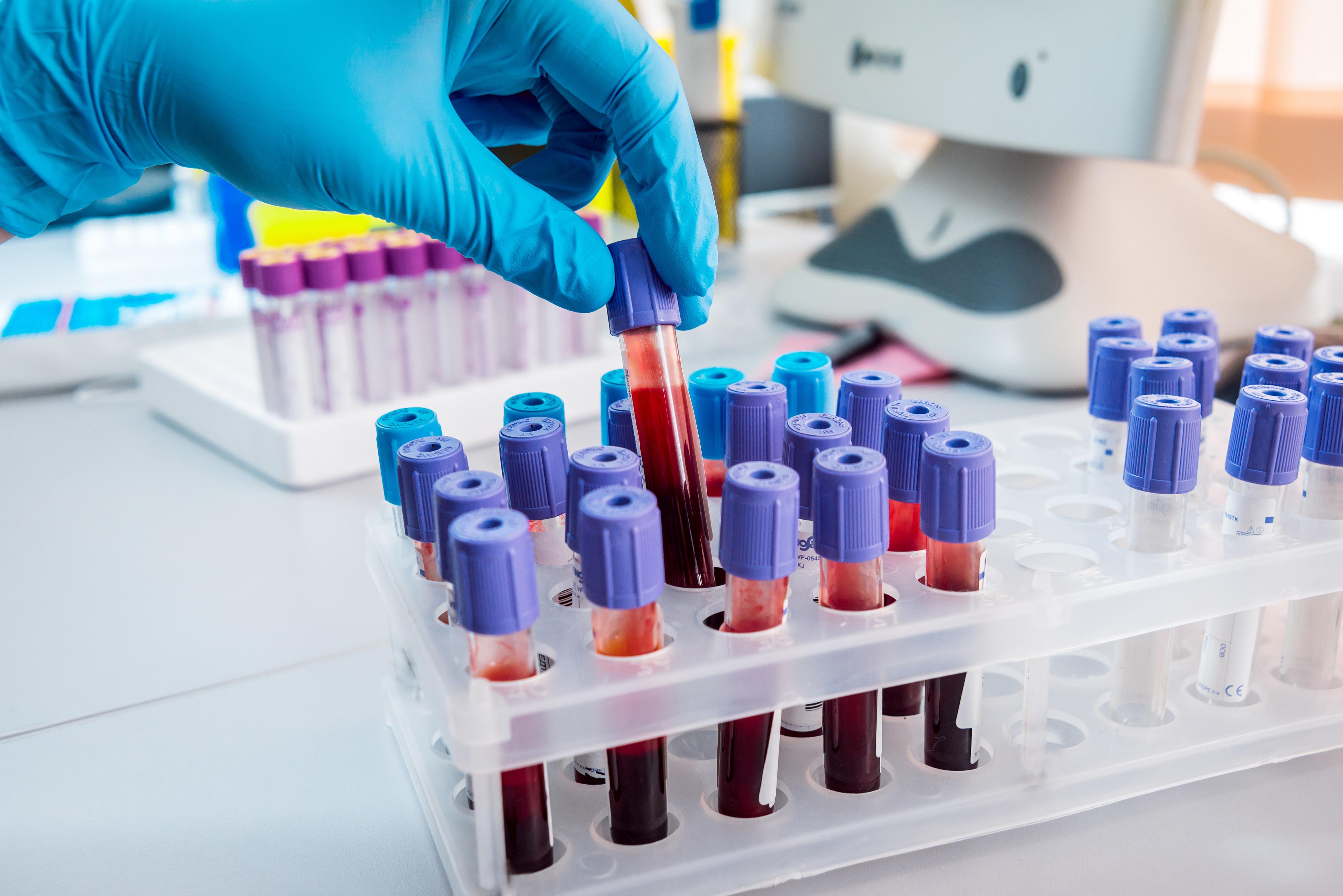
Anemia occurs when the count of red blood cells in your bloodstream is too low. Red blood cells are essential for transporting oxygen to tissues throughout the body.
In most situations, anemia can be confirmed with targeted blood testing. These tests assess factors like the quantity of red blood cells and their overall condition. Clinicians combine these findings to establish whether anemia is present.
This article reviews the different blood tests used to diagnose anemia and explains how to interpret common results.
Which blood tests can detect anemia?
A handful of routine blood tests are commonly used to detect anemia. Which ones a clinician orders depends on your symptoms, medical history, and prior test findings.
Below are some of the principal blood tests used to diagnose anemia.
Complete blood count
A complete blood count (CBC) is typically the initial test ordered when anemia is suspected. It’s also used to evaluate other medical conditions.
A CBC reports levels of several blood components, including:
- red blood cells
- white blood cells
- hemoglobin
- platelets
When assessing anemia, clinicians focus especially on red blood cell and hemoglobin values.
Another measure frequently shown on a CBC that aids anemia diagnosis is the mean corpuscular volume (MCV). A low MCV suggests microcytic anemia like iron deficiency, whereas an elevated MCV points toward macrocytic anemia, such as vitamin B12 deficiency.
Iron panel
Iron deficiency is a common cause of anemia. If this is suspected, an iron panel or serum iron test is ordered to measure iron-related values in the blood.
An iron panel usually includes:
- ferritin, the iron-storage protein
- serum iron
- transferrin saturation
- total iron binding capacity (TIBC)
These markers help distinguish iron-deficiency anemia from anemia related to chronic inflammation or other causes.
Reticulocyte count
The reticulocyte count measures immature red blood cells circulating in the bloodstream. It helps determine whether the bone marrow is producing an adequate supply of red cells. This test is useful for pinpointing the reason behind anemia.
For example, if a CBC shows a low red blood cell count but the reticulocyte count is elevated, it may indicate active blood loss. Conversely, low counts of both mature and immature red cells suggest insufficient red blood cell production.
Blood smear
A blood smear can provide clues about the cause of anemia by allowing direct inspection of red blood cell appearance.
To perform a blood smear, a drop of blood is spread thinly on a glass slide and stained. The stained slide is examined for abnormalities in cell size, shape, and color.
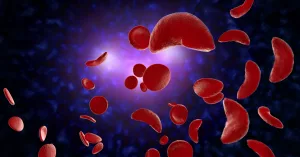
This test is especially helpful for diagnosing conditions like sickle cell disease, which yields crescent-shaped cells, or certain nutrient deficiencies that produce unusually large red blood cells.
Other tests
- If hemolytic anemia (premature red blood cell destruction) is suspected, additional tests may include: lactate dehydrogenase (LDH) testing to detect tissue damage or increased cell turnover; a haptoglobin assay to evaluate hemolysis and its severity; and indirect bilirubin, which rises when red blood cells are being broken down faster than normal.
- Vitamin B12 and folate levels: These are commonly measured to exclude vitamin deficiencies as the cause of anemia.
- Coombs test: Performed when autoimmune hemolysis is suspected as the driving factor behind anemia.
What lab values indicate anemia?
Normal ranges for anemia-related tests can vary based on age, ethnicity, and altitude. Discuss your specific target ranges with your clinician.
- CBC (red blood cells): Typical red blood cell counts are about 5 to 6 million cells per microliter (cells/mcL) for men and 4 to 5 million cells/mcL for women. Values under these ranges may indicate anemia.
- CBC (hemoglobin): Normal hemoglobin levels are generally above 14 grams per deciliter (gm/dL) for men and above 12 gm/dL for women.
- Iron: Typical serum iron values start at about 10 micromoles per liter (µmol/L).
- Ferritin: Ferritin is part of an iron panel. Healthy levels begin around 40 micrograms per liter (µg/L) for men and 20 µg/L for women. Levels below about 10 µg/L may reflect iron-deficiency anemia.
- Reticulocyte: Normal adult reticulocyte percentages are typically between 0.5 and 2.5%.
- Blood smear: A smear inspects red blood cell morphology; abnormally shaped cells can point to conditions like sickle cell disease.
If initial blood tests do not conclusively identify anemia, your clinician may request further investigations to uncover the cause of your symptoms.
Language matters
We use the terms “women” and “men” here because they are commonly used in medical literature, but gender identity may not match how an individual’s body responds to disease. A clinician can explain how your personal circumstances affect diagnosis, symptoms, and treatment.
What other tests are ordered for anemia besides bloodwork?
Sometimes additional procedures are needed, particularly when anemia is confirmed but its origin is unclear. Possible further tests include:
- Bone marrow biopsy and aspiration: These involve inserting a hollow needle into a bone to obtain marrow fluid and tissue, allowing doctors to evaluate marrow health and its capacity to produce blood cells.
- Urinalysis: Checks for blood in the urine and assesses kidney function.
- Endoscopy: Uses a thin tube with a camera inserted through the mouth to inspect the upper digestive tract for sources of bleeding in the esophagus, stomach, or small intestine.
- Colonoscopy: Involves a camera-tipped tube inserted into the rectum to search for bleeding sources in the colon (large intestine).
- Genetic testing: Can identify inherited changes that affect red blood cell production or structure.
What symptoms does anemia cause?
Anemia symptoms may emerge gradually or appear suddenly, depending on the underlying cause.
Common signs and symptoms include:
- fatigue
- weakness
- shortness of breath
- dizziness or lightheadedness
- headache
- fainting
- pale skin and gums
If you have any of these symptoms lasting more than a week, schedule an appointment with a clinician. They can evaluate the cause and recommend an appropriate treatment plan.
The bottom line
If you experience persistent fatigue, weakness, or lightheadedness, a clinician will likely order one or more blood tests to check for anemia. A CBC is usually the first test and is a reliable indicator because it measures red blood cell levels. Additional tests like an iron panel, reticulocyte count, and blood smear help determine the cause of anemia and guide treatment decisions.



















Leave a Reply
You must be logged in to post a comment.