
The United States Department of Agriculture (USDA) reports that the average American consumes about 94 pounds of chicken annually (1).
Chicken consumption is projected to rise over the coming years, and alongside that trend, shoppers are increasingly interested in the environments where chickens are raised (2).
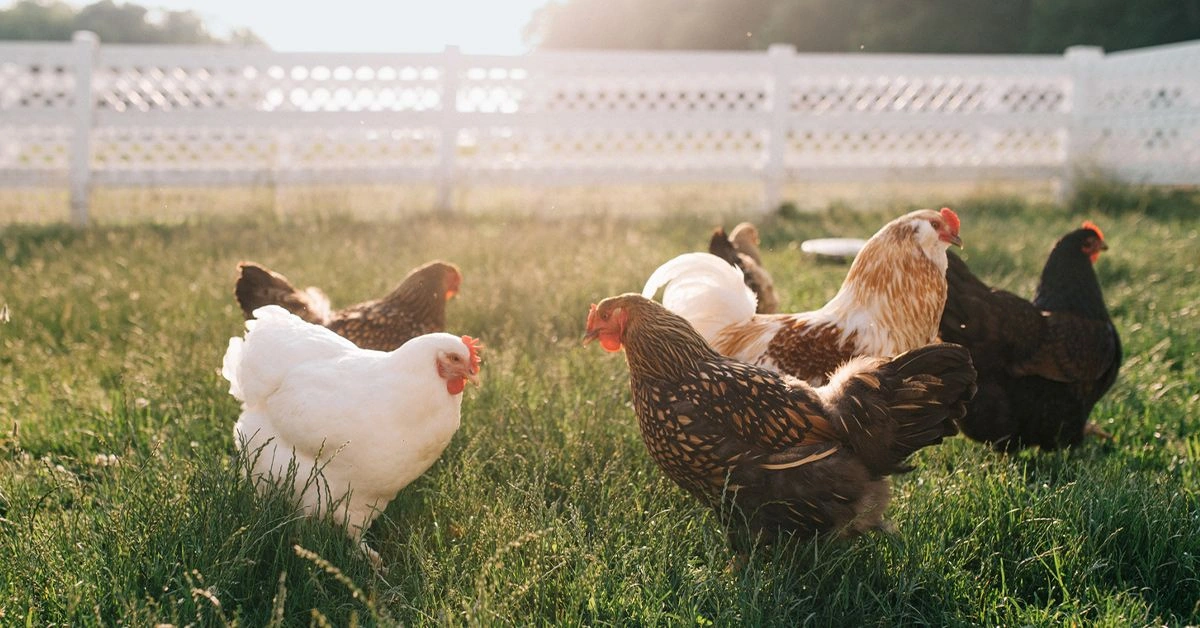
When you pick up a package labeled “free-range,” you may picture birds roaming a grassy meadow. But that image doesn’t always match reality.
This article explains what free-range means, how it stacks up against conventionally raised chicken, and where you can source it.
Defining free-range chicken
Seeing “free-range” on a label naturally evokes chickens grazing outdoors, yet that assumption can be misleading.
Per USDA rules, birds labeled “free-range” must have had access to the outdoors (3).
But the regulation does not define the size of the outdoor area or the duration of access. Consequently, chickens may be confined to a tiny outdoor patch and only permitted outside for a brief period each day and still be labeled free-range.
There’s also no specification about the nature of the outdoor space. Rather than pasture, the birds might only be given access to a small dirt or gravel area.
Moreover, an Animal Welfare Institute report noted that the USDA doesn’t routinely audit facilities to confirm outdoor access; very little documentation is required to substantiate such claims (2, 4).
That said, not all free-range labeling is deceptive—many producers do provide substantial grassy outdoor areas for their flocks.
Therefore, when purchasing free-range chicken, it’s wise to investigate the source to verify the type and amount of outdoor access provided.
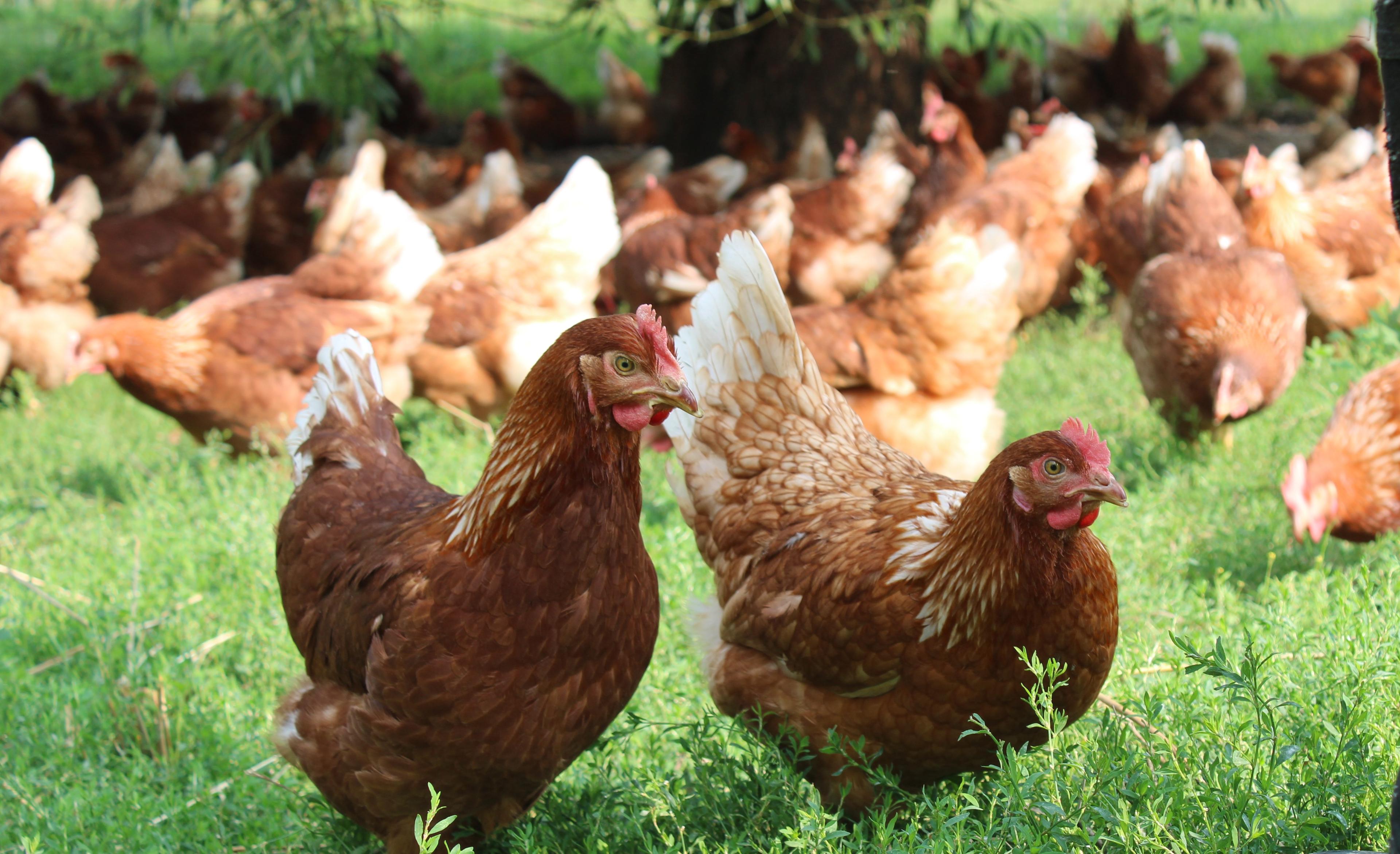
Summary: USDA rules require that free-range chickens have outdoor access, but they don’t dictate the quality or duration of that access.
Alternative labels and what they mean
Besides “free-range,” other labels can indicate how chickens were raised:
- Certified Humane Free Range. This certification mandates at least 2 square feet (about 0.2 square meters) of outdoor space per bird with vegetation for foraging. Birds must have outdoor time of at least 6 hours per day, weather permitting (5, 6).
- Certified Humane Pasture-Raised. Each bird must have a minimum of 108 square feet (10 square meters) of pasture to roam and graze. Most of the flock’s time is spent outdoors, though a shelter must be available for nighttime (5).
- Organic. Organic standards include year-round access to the outdoors, designated exercise areas, and a shelter for resting; hens cannot be given antibiotics and must eat certified organic feed (7).
Although these options can cost more, if you care about how the birds were raised, choosing products with one of these labels may provide greater assurance.
Summary: Certified Humane Free Range, Pasture-Raised, and organic certifications impose stricter outdoor-access requirements and may be better choices if you’re worried about animal welfare.
Free-range versus conventional chicken
In principle, raising chickens with outdoor access benefits both the animals and consumers compared with conventional indoor production.
Conventionally raised birds are typically housed indoors—often in cages without outdoor access—and fed a grain-based diet supplemented with vitamins and minerals (8, 9).
One study of 400 birds showed that after 280 days, free-range hens had notably better mobility, feather condition, beneficial gut microbiota, and meat quality than conventionally housed hens (9).
Another research project found meat from free-range chickens to be significantly lower in fat and higher in protein, iron, and zinc compared with meat from conventional flocks (10).
It’s important to highlight that in these studies the free-range birds had unrestricted outdoor access, and in the second study the outdoor area included grass for foraging.
Given that the USDA doesn’t stipulate the type or extent of required outdoor access, the nutritional and welfare benefits shown in these studies may not apply to every product labeled “free-range.”
Summary: Extensive outdoor access has been linked to better welfare and improved nutritional profiles in chickens, but because USDA rules don’t define outdoor access, these advantages may not be universal among free-range products.
Where to find genuine free-range chicken
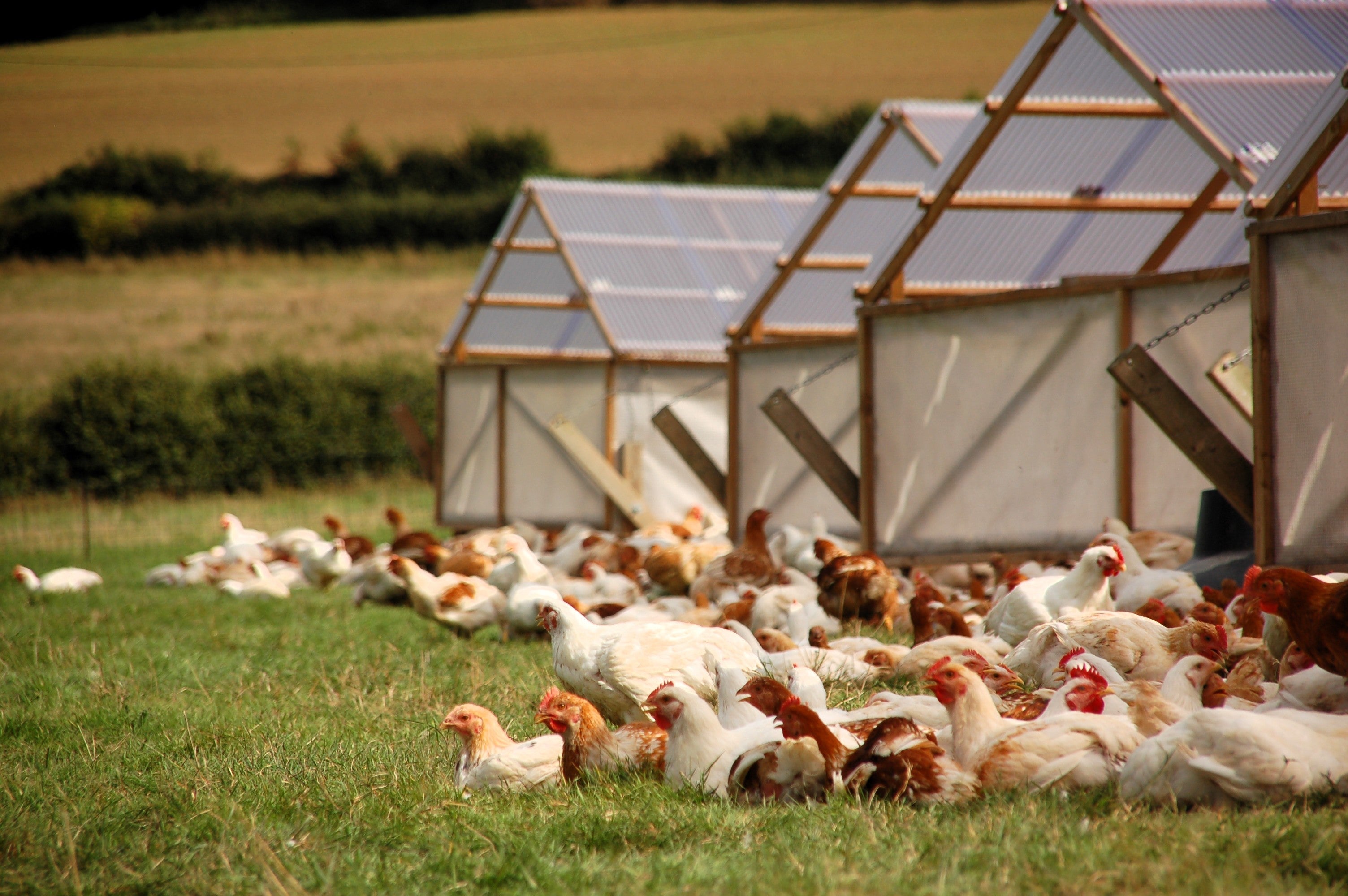
To avoid ambiguous free-range claims, your best option is to buy directly from a local or regional farmer—either at the farm or a farmers market.
Local butcher shops can also be a good source for free-range chicken.
Certified Humane Free Range products are commonly available at natural grocers such as Sprouts Farmers Market and Whole Foods, and depending on your location, some mainstream supermarkets may carry them as well.
Summary: Look for free-range chicken at farmers markets, local butchers, or specialty grocers like Whole Foods or Sprouts. Some large grocery chains may also offer certified options depending on your area.
The takeaway
The “free-range” label can be misleading because there’s no detailed federal definition of what outdoor access must include.
Nevertheless, many producers do give their flocks meaningful access to grassy outdoor areas. In those cases, birds tend to be healthier and their meat can be lower in fat and richer in nutrients such as protein and zinc.
If the rearing conditions matter to you, buy free-range chicken from a local farm or choose products bearing a Certified Humane Free Range label.
If budget allows, consider paying more for organic or certified pasture-raised chicken for greater assurance about animal welfare and production standards.





















Leave a Reply
You must be logged in to post a comment.