
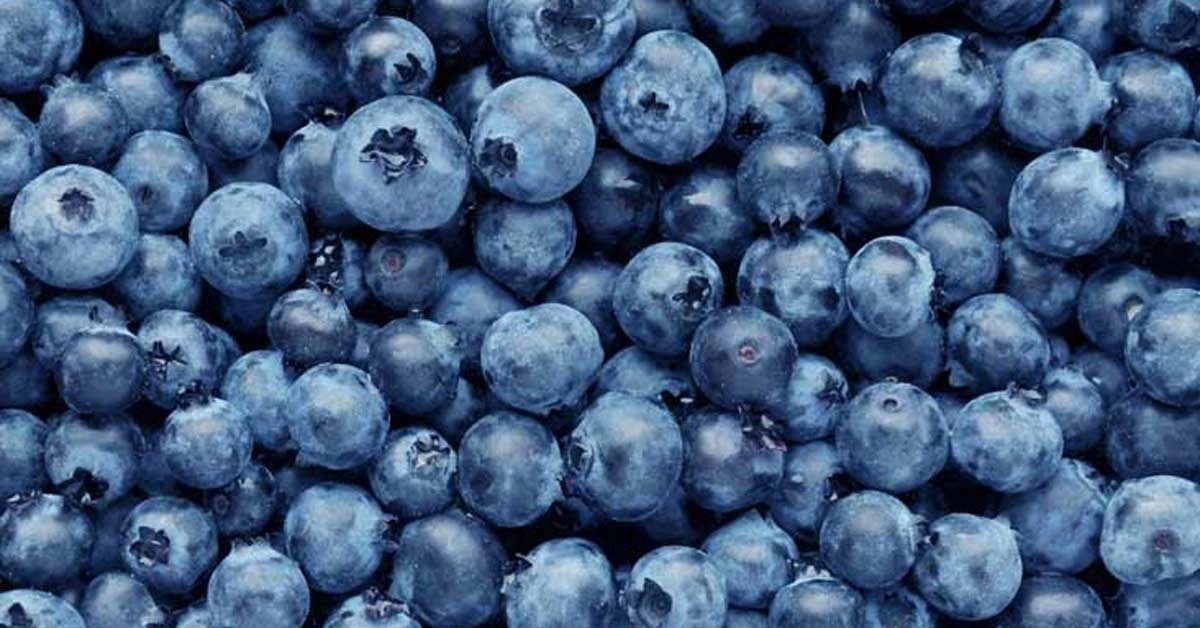
Blueberries are a nutritious fruit rich in vitamins C and K1, manganese, and various beneficial plant compounds. Regular consumption may support heart health, cognitive function, and blood sugar control.
Native to North America, blueberries are a favored, flavorful fruit originally from North America but are now cultivated commercially across the Americas and Europe.
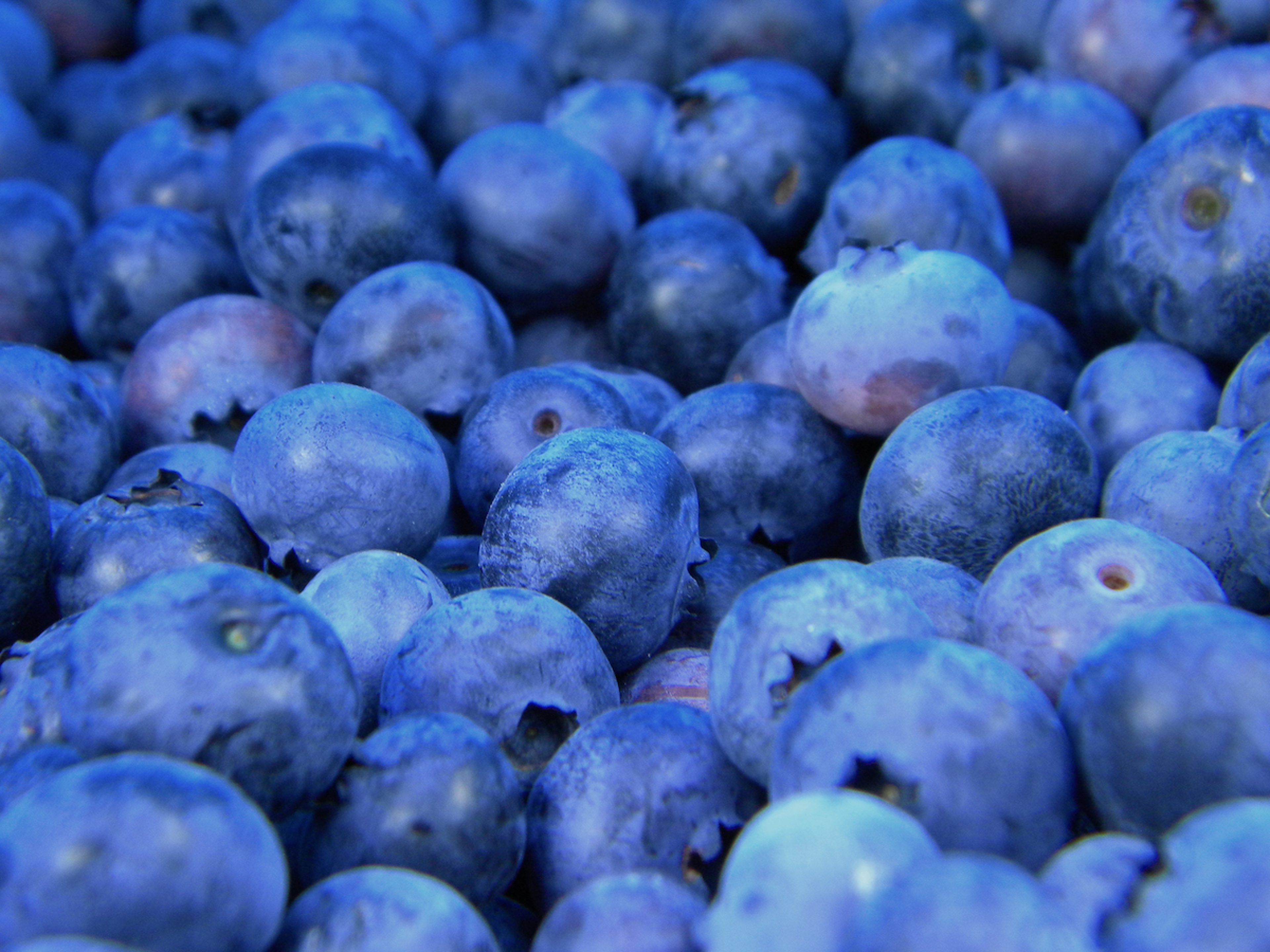
The health advantages of blueberries may involve aiding blood sugar regulation and supporting cardiovascular and brain health. They are also low in calories.
Often promoted as a superfood, blueberries are an excellent source of a range of vitamins, phytochemicals, and antioxidants.
This piece examines blueberries, covering their nutritional profile and potential health effects.
What are blueberries?
Belonging to the heath family (Vaccinium ssp.), blueberries are closely allied with cranberries, bilberries, and huckleberries.
These small, spherical fruits measure about 0.2 to 0.6 inches (5 to 16 millimeters) across and vary in hue from blue to purple.
There are several blueberry types, so their look can differ. The two predominant kinds are highbush and lowbush blueberries.
Blueberries are mildly sweet and pleasant. They’re commonly eaten raw but can also be frozen or juiced. They’re versatile for use in baked items, preserves, and as flavoring agents.
Nutritional composition
Blueberries are low in calories and fat while providing a reasonable amount of dietary fiber.
Nutrients
A 3.5-ounce (100-gram) portion of raw blueberries contains:
- Calories: 57
- Water: 84%
- Protein: 0.7 g
- Carbs: 14.5 g
- Sugar: 10 g
- Fiber: 2.4 g
- Fat: 0.3 g
Blueberries largely consist of about 9.6% carbohydrates, 84% water, with small quantities of protein and fat. Most carbohydrates are simple sugars like glucose and fructose, while a portion comes as fiber, which contributes to health.
These berries also have a glycemic index (GI) of 53, indicating how rapidly they can raise blood glucose.
With a relatively low GI, blueberries are unlikely to cause significant blood sugar surges and are generally considered suitable for people with diabetes.
Vitamins and minerals
Blueberries are a valuable source of several vitamins and minerals, such as:
- vitamin K
- vitamin C
- manganese
- vitamin A
- vitamin E
- vitamin B6
- copper
Additionally, blueberries contain health-promoting plant chemicals and antioxidants — including anthocyanins and quercetin — which may explain many of their beneficial effects.
Fresh vs. frozen vs. dried
How you consume blueberries can make a difference. While both types are nutritious, wild blueberries may offer higher antioxidant levels than cultivated varieties.

Freezing blueberries typically preserves their nutrient content and helps them keep longer. When compared to other berries, dried blueberries may lose some antioxidant potency, though the reduction is usually minor. They might also lose some of their fresh flavor.
Also be aware that packaged dried blueberries can include added sugars. If this is a concern, check labels to choose options without added sweeteners.
Finally, in very rare situations, individuals can be allergic to blueberries.
Compared with other berries
Berries are often labeled superfoods because of their vitamins and phenolic compounds, though their specific nutrient compositions differ.
The tables below summarize findings from recent research comparing various berries:
Nutrients per 100 g
| Strawberry | Blackberry | Raspberry | Cranberry | Blueberry | Blackcurrant | |
|---|---|---|---|---|---|---|
| Water (g) | 90.95 | 88.15 | 85.75 | 87.32 | 84.21 | 83.95 |
| Energy (kcal) | 32 | 43 | 52 | 46 | 57 | 56 |
| Protein (g) | 0.67 | 1.39 | 1.2 | 0.46 | 0.74 | 1.4 |
| Total lipid (fat) (g) | 0.3 | 0.49 | 0.65 | 0.13 | 0.33 | 0.2 |
| Carbohydrate (g) | 7.68 | 9.61 | 11.94 | 11.97 | 14.49 | 13.8 |
| Fiber, total dietary (g) | 2 | 5.3 | 6.5 | 3.6 | 2.4 | 4.3 |
| Sugars, total (g) | 4.89 | 4.88 | 4.42 | 4.27 | 9.96 | 7.37 |
| Calcium, Ca (mg) | 16 | 29 | 25 | 8 | 6 | 33 |
| Iron, Fe (mg) | 0.41 | 0.62 | 0.69 | 0.23 | 0.28 | 1 |
| Magnesium, Mg (mg) | 13 | 20 | 22 | 6 | 6 | 13 |
| Phosphorus, P (mg) | 24 | 22 | 29 | 11 | 12 | 44 |
| Potassium, K (mg) | 153 | 162 | 151 | 80 | 77 | 275 |
| Sodium, Na (mg) | 1 | 1 | 1 | 2 | 1 | 1 |
| Zinc, Zn (mg) | 0.14 | 0.53 | 0.42 | 0.09 | 0.16 | 0.23 |
| Copper, Cu (mg) | 0.048 | 0.165 | 0.09 | 0.056 | 0.057 | 0.107 |
| Selenium, Se (µg) | 0.4 | 0.4 | 0.2 | 0.1 | 0.1 | 0.6 |
| Vitamin C (mg) | 58.8 | 21 | 26.2 | 14 | 9.7 | 41 |
| Thiamin (mg) | 0.024 | 0.02 | 0.032 | 0.012 | 0.037 | 0.04 |
| Riboflavin (mg) | 0.022 | 0.026 | 0.038 | 0.02 | 0.041 | 0.05 |
| Niacin (mg) | 0.386 | 0.646 | 0.598 | 0.101 | 0.418 | 0.1 |
| Vitamin B6 (mg) | 0.047 | 0.03 | 0.055 | 0.057 | 0.052 | 0.07 |
| Folate, total (µg) | 24 | 25 | 21 | 1 | 6 | 8 |
| Vitamin A (µg) | 1 | 11 | 2 | 3 | 3 | 2 |
| Carotene, beta (µg) | 7 | 128 | 12 | 38 | 32 | 25 |
| Carotene, alpha (µg) | 0 | 0 | 16 | 0 | 0 | 0 |
| Lutein + zeaxanthin (µg) | 26 | 118 | 136 | 91 | 80 | 47 |
| Vitamin E (mg) | 0.29 | 1.17 | 0.87 | 1.32 | 0.57 | 0.1 |
| Vitamin K (phylloquinone) (µg) | 2.2 | 19.8 | 7.8 | 5 | 19.3 | 11 |
Antioxidants
Berries vary in their antioxidant content. Although not all berries have been directly compared, some studies have evaluated selected fruits.
For instance, a 2023 study assessed antioxidant levels in raspberries, blackberries, blueberries, mulberries, and black chokeberries.
The researchers determined that pulp generally contained more antioxidants than juices. They also identified mulberries as having the greatest antioxidant concentration among those tested.
An earlier study comparing blueberries, blackberries, and strawberries found blueberries to have the highest total antioxidant capacity, indicating a greater potential to neutralize free radicals.
Learn more: 8 of the healthiest berries you can eat.
Frequently asked questions
What are the benefits of eating blueberries?
Blueberries are low-calorie yet nutrient-dense. They contain many antioxidants that may help protect against several chronic conditions.
How many blueberries should you eat per day?
A 2023 study from King’s College London reported that 26 g of freeze-dried wild blueberry powder daily for 12 weeks improved executive functioning, short-term memory, and reaction time. That amount roughly equals 130 blueberries or about 1.25 cups, depending on berry size.
As a general guideline, aim for about 1 cup of fresh or frozen blueberries as a serving. Even around one-third of a cup per day has been linked with various health advantages.
Limiting intake to about 1 cup daily still allows room in your diet for a variety of other fruits and vegetables, which is beneficial overall.
Are blueberries high in sugar?
Blueberries contain a moderate amount of sugar — around 15 g per cup. Still, they may have a smaller effect on blood glucose due to their rich content of bioactive compounds.
Bottom line
Blueberries are a widely enjoyed, flavorful fruit.
They provide vitamin K1, vitamin C, manganese, and other beneficial plant chemicals like anthocyanins.
Including blueberries regularly as part of a balanced diet may help lower cardiovascular risk, support brain health, and help regulate blood sugar.























Leave a Reply
You must be logged in to post a comment.