
Key takeaways
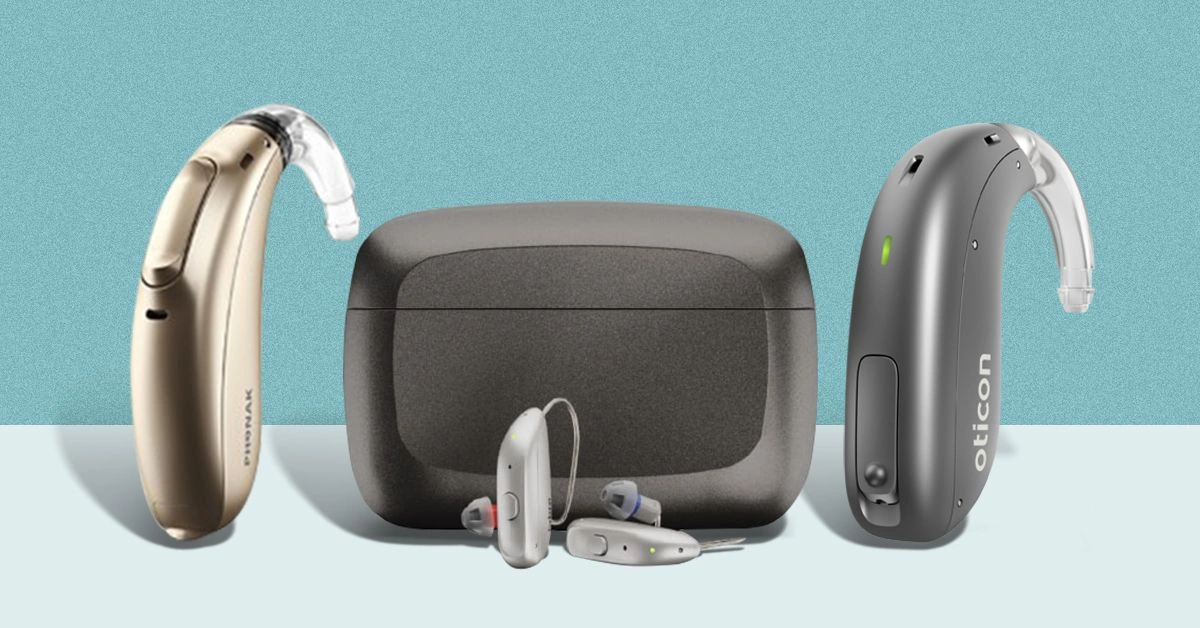
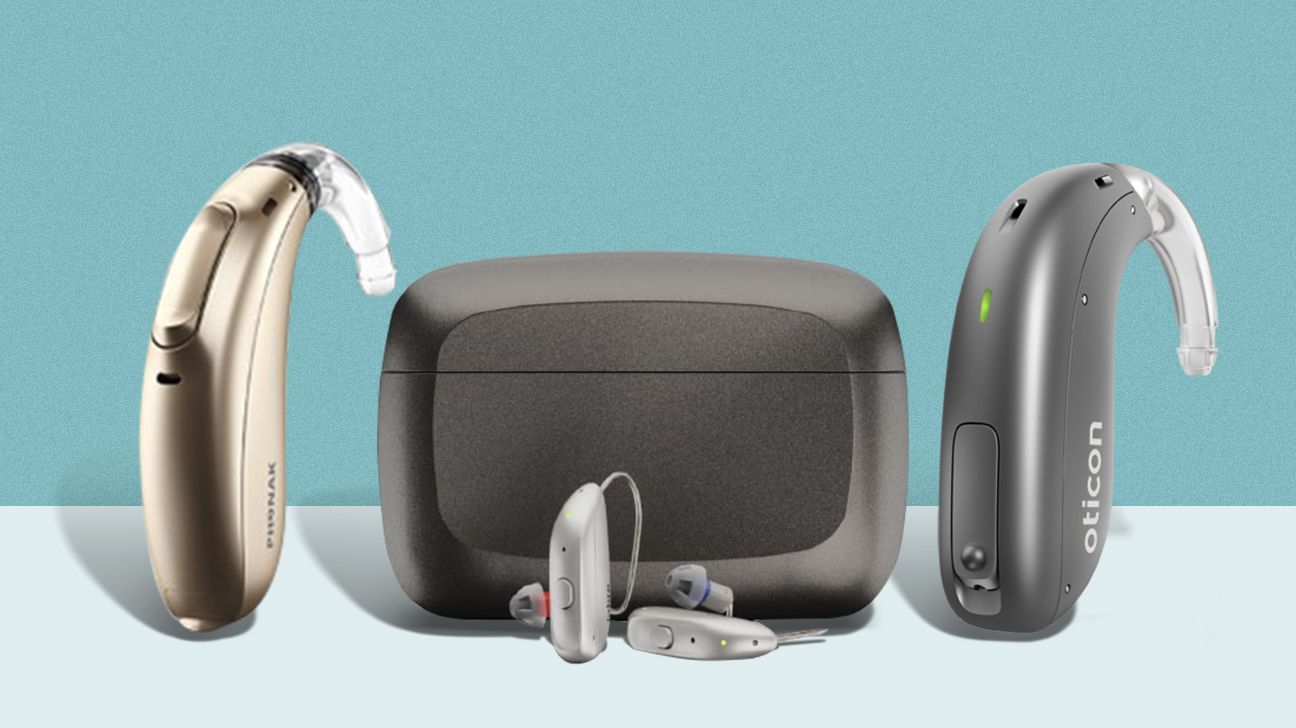
- There are multiple hearing aid styles available, including behind-the-ear (BTE) and in-the-ear (ITE) designs, rechargeable models, and nearly invisible options.
- We consulted a medical expert about what to evaluate when beginning your search for hearing aids and how to decide between over-the-counter (OTC) and prescription devices.
- Phonak Lyric Hearing Aid stands out as one of the top invisible hearing aids, while Jabra Enhance Select 300 is frequently recognized as a leading OTC choice.
Quick look at the best hearing aids
If you’re researching the Consumer Reports best hearing aids, you’ll quickly see there’s no one-size-fits-all solution. Today’s devices range from rechargeable models and live music–enhancing technology to ultra-discreet styles and customizable color options.
Below, we break down essential hearing aid features and explain how an audiologist can help match you with the right device. We also highlight top prescription and OTC picks that balance performance, durability, and value.
Pricing guide
The cost of hearing aids can differ widely depending on where you purchase them and whether they are OTC or prescription devices. OTC hearing aids typically range from a few hundred to several thousand dollars. Prescription models generally begin around $2,000 and may reach $6,000 per pair. In some cases, pricing includes bundled services such as follow-up visits, adjustments, and routine maintenance.
Estimated price tiers:
- $ = under $1,000
- $$ = $1,000 to $3,000
- $$$ = $3,001 to $5,000
- $$$$ = over $5,000

HealthEH’s picks for best hearing aids
Best prescription hearing aid
Phonak Bolero Marvel Hearing Aid
Phonak Bolero Marvel Hearing Aid
- Features:Bluetooth streaming, remote fine-tuning
- Style of fit:behind-the-ear
- Trial period:based on purchase source
- Price:$$
HealthEH’s review
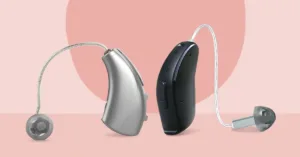
These behind-the-ear (BTE) devices are intended for individuals with mild to moderately severe hearing loss. An audiologist or other hearing care professional will evaluate your hearing profile and recommend the most appropriate model and performance level.
They deliver strong amplification with crisp sound quality, even in environments with significant background noise. This can reduce listening fatigue during conversations, lectures, or live performances.
With Bluetooth compatibility for both iOS and Android, users can stream media and take hands-free calls directly through the hearing aids.
The rechargeable battery provides up to 24 hours of power, even with streaming use.
Through the myPhonak app, you can make remote adjustments and fine-tune settings as needed.
Pros & cons
- effective for mild to moderately severe hearing loss
- available in nine color options
- Bluetooth-enabled for calls and streaming
- pricing depends on provider and location
- effective for mild to moderately severe hearing loss
- available in nine color options
- Bluetooth-enabled for calls and streaming
- pricing depends on provider and location
Product details
- Accepts insurance :based on purchase source
- Battery life :rechargeable (24 hours)
- Warranty :varies locally; 1 year limited international warranty at date of purchase
- Accepts insurance :based on purchase source
- Battery life :rechargeable (24 hours)
- Warranty :varies locally; 1 year limited international warranty at date of purchase
Best invisible hearing aid
Phonak Lyric Hearing Aid
Phonak Lyric Hearing Aid
- Features:uses your natural ear anatomy to generate natural sound, 24/7 tinnitus relief
- Style of fit:in-the-canal
- Trial period:based on purchase source
- Price:$$$ – $$$$
HealthEH’s review
The Phonak Lyric Hearing Aid is placed deep within the ear canal by a trained professional, positioning it near the eardrum. By leveraging your ear’s natural anatomy, it delivers a more organic sound experience.
Once inserted, these devices can remain in place for months without removal.
They are not waterproof, so they’re unsuitable for swimming or water sports.
Lyric also provides ongoing tinnitus relief. Pricing is structured around an annual subscription model.
Pros & cons
- virtually invisible inside the ear canal
- can stay in place for months
- requires placement and removal by a specially trained professional
- not designed for water exposure
- virtually invisible inside the ear canal
- can stay in place for months
- requires placement and removal by a specially trained professional
- not designed for water exposure
Product details
- Accepts insurance :based on purchase source
- Battery life :no batteries required; hearing aids remain in the ear for months at a time, and duration varies from person to person
- Warranty :varies locally; 1 year limited international warranty at date of purchase
- Accepts insurance :based on purchase source
- Battery life :no batteries required; hearing aids remain in the ear for months at a time, and duration varies from person to person
- Warranty :varies locally; 1 year limited international warranty at date of purchase
Best over-the-counter (OTC) hearing aid
Jabra Enhance Select 300
Jabra Enhance Select 300
- Style of fit:mini RIE
- Battery life:30 hours
- Features:SoundScape technology for improved clarity and spatial awareness; smaller, more discreet design; Bluetooth streaming for phone calls and music; music mode to enhance live music; hands-free calling for iPhone 11 and newer models
- Price:$$
HealthEH’s review
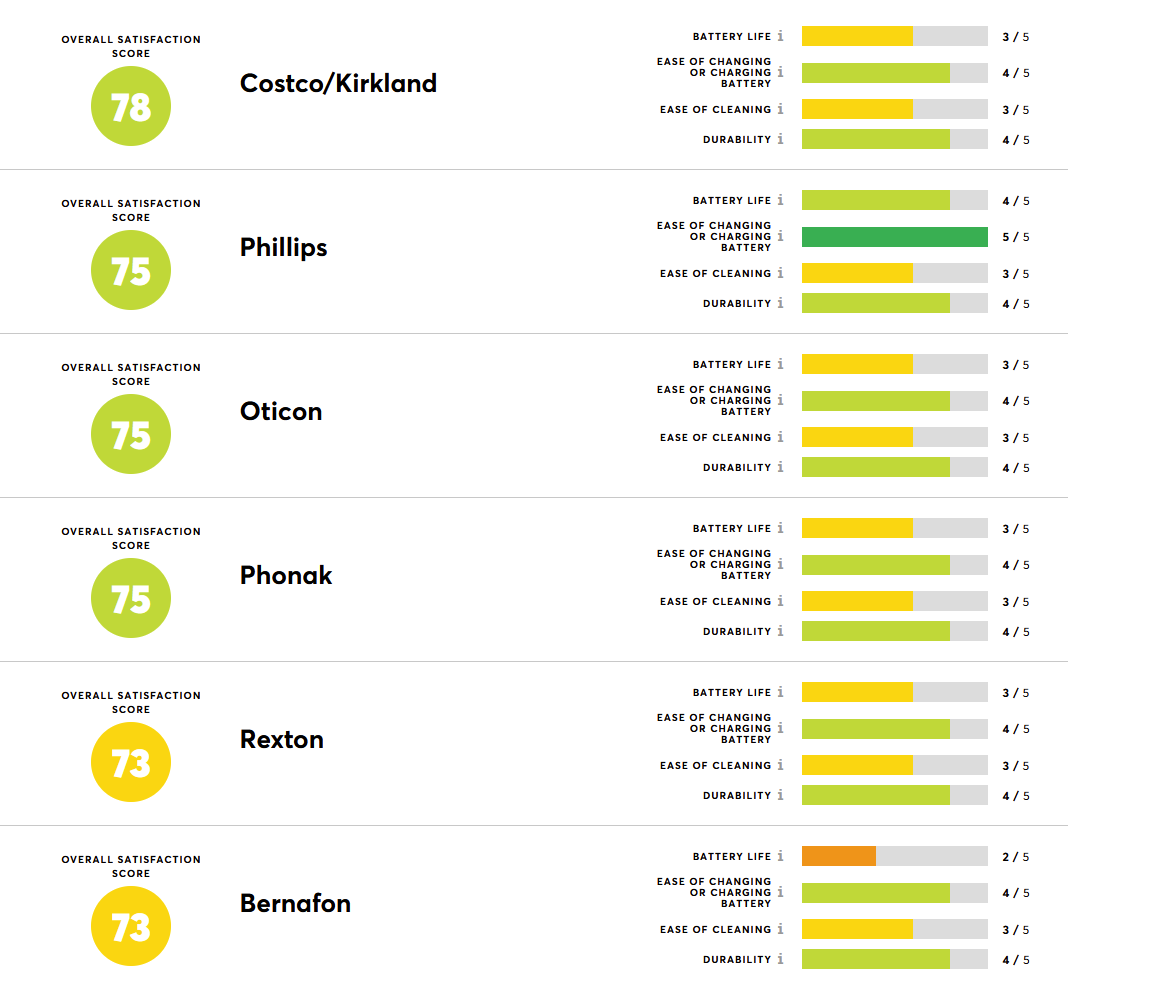
Among devices often compared in discussions about the Consumer Reports best hearing aids, the Jabra Enhance Select 300 consistently ranks highly in the OTC category. For more on this brand’s technology and features, explore Jabra hearing aids.
This receiver-in-the-ear (RITE) device emphasizes speech clarity while minimizing background noise, helping users communicate more effectively in busy settings. A dedicated music mode enhances the richness of live or streamed audio.
It’s intended for mild to moderate hearing loss.
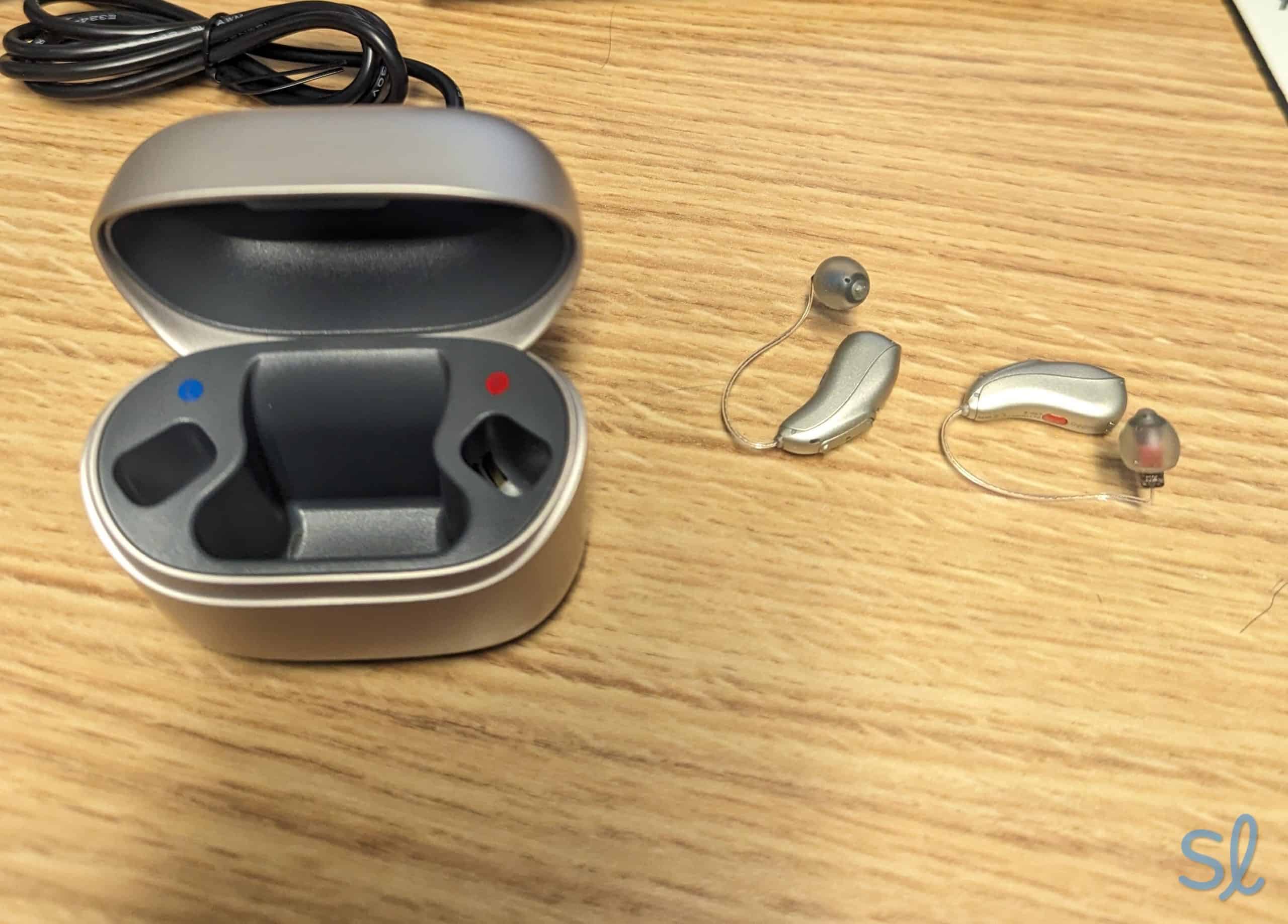
Five color choices are available, and the included charging case supports up to 24 hours of use on a full charge.
A smartphone is required to personalize and manage settings, including enabling hands-free calling.
The manufacturer provides a 3-year warranty with loss and damage protection, along with 3 years of online audiology support for remote adjustments.
Hearing aids: Key factors
Level of hearing loss
The American Academy of Audiology recommends undergoing a comprehensive audiological evaluation before purchasing hearing aids. This assessment can identify contributing factors such as ototoxic medications or ear infections.
“Degree of hearing loss, type of hearing loss, and configuration of hearing loss all contribute to a final hearing care plan, including the recommendation of devices if appropriate.”
— Catherine Palmer, PhD, director of audiology at the University of Pittsburg Medical Center
Prescription vs. OTC hearing aids
Prescription hearing aids are tailored to your hearing profile and ear anatomy, with ongoing monitoring from a hearing specialist. While they often provide advanced customization, they can be costly. Medicare and many insurance plans do not cover hearing aids, though some FSA or HSA plans may offset expenses.
OTC hearing aids are designed for mild to moderate hearing loss and are generally more affordable. However, they lack in-person programming and continuous care. When deciding which brand of hearing aid is best?, consider your degree of hearing loss, desired features, and budget.
“What matters is how the hearing aids are programmed for the individual. There are some differences between levels of technology and manufacturers for specific signal processing and features. The audiologist keeps up with all of this — it changes all the time — and makes sure they are selecting the right combination of features and signal processing and tuning them correctly for the individual.”
— Catherine Palmer, PhD, director of audiology at the University of Pittsburg Medical Center
Takeaway
Approximately 37.5 million adults in the United States have hearing loss that could be improved with hearing aids.
A proper fitting ensures comfort, optimal performance, and alignment with your lifestyle preferences. However, professional services and device costs can be significant.
If prescription options are beyond your current budget, OTC models may provide a practical and more affordable starting point while still enhancing communication and overall quality of life.





















Leave a Reply
You must be logged in to post a comment.