

Sternum pain can stem from a wide range of issues, including strained joints, muscle injuries, and acid reflux. Many people who wonder What causes pain in middle of chest between breasts are often feeling discomfort around the breastbone area. Although chest discomfort frequently results from musculoskeletal or digestive problems, it can also signal a heart attack, which should never be ignored.
Your sternum, commonly known as the breastbone, connects both sides of your rib cage. It lies in front of several vital organs in your chest and upper abdomen, including the heart, lungs, and stomach. Because of this central position, conditions unrelated to the sternum itself may still trigger pain that feels like it originates in the middle of your chest.
In most cases, sternum pain is more often linked to muscle strain, joint inflammation, or digestive disturbances rather than a direct problem with the heart or the bone itself. However, understanding the exact source of discomfort is essential—especially when evaluating Female pain in middle of chest and differentiating between benign and serious causes.
Below, we explore the most common reasons for sternum pain and explain when it’s important to seek medical care.
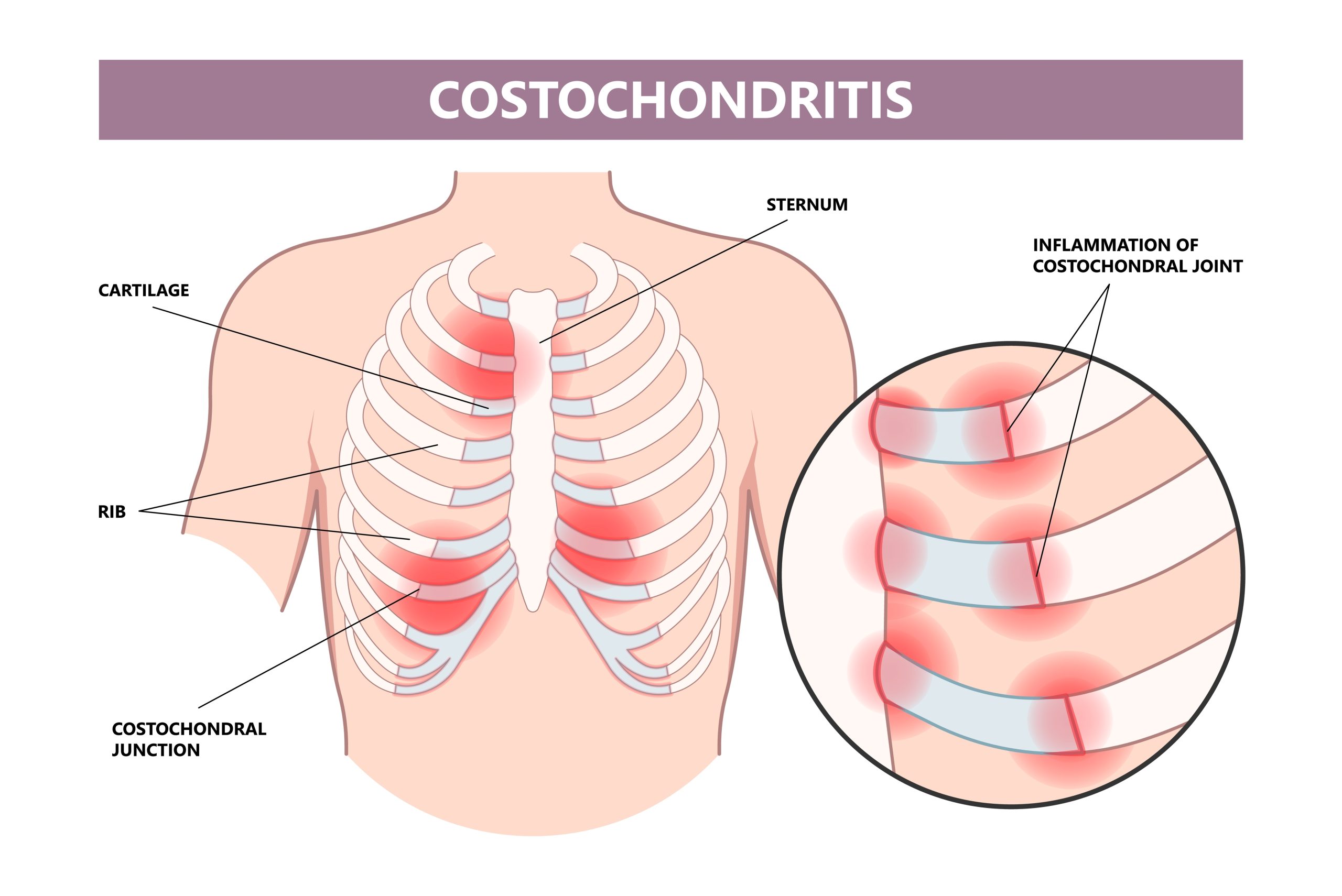
Costochondritis

The most common cause of sternum pain is costochondritis. This condition develops when the cartilage connecting your ribs to your sternum becomes inflamed, leading to localized tenderness and discomfort.
Typical symptoms of costochondritis include:
- sharp or aching pain along the side of the sternum
- discomfort in one or more ribs
- pain that worsens with coughing or taking deep breaths
Costochondritis does not always have a clear trigger, but it is frequently associated with:
- injuries to the chest wall
- muscle overuse or strain
- joint disorders such as osteoarthritis
- autoimmune conditions like rheumatoid arthritis and ankylosing spondylitis
Although costochondritis is generally not dangerous, persistent or intensifying pain warrants a medical evaluation to rule out more serious causes of central chest discomfort.
Other musculoskeletal conditions
Injuries or disorders affecting the muscles, bones, or joints surrounding the sternum can also explain What causes pain in middle of chest between breasts. Some of the more frequent musculoskeletal causes include:
- sternoclavicular joint injury
- collarbone (clavicle) injury
- fractures
- hernia
- surgery involving the sternum (such as open heart surgery)
While this list does not include every possible musculoskeletal cause, these conditions are among the most commonly identified. Pain from these sources often becomes more noticeable with movement, lifting, or pressure on the chest wall.

Acid reflux
The sternum is positioned just in front of several major digestive organs. As a result, disorders involving the esophagus, stomach, or intestines can create pain that radiates to the center of the chest.
Acid reflux occurs when stomach acid moves upward into the esophagus, causing irritation and a burning sensation commonly known as heartburn. This discomfort is often felt behind the breastbone and may worsen after meals, when lying down, or after consuming spicy or fatty foods.
Occasional heartburn usually resolves on its own. However, frequent or ongoing acid reflux may indicate gastroesophageal reflux disease. Chronic digestive irritation is an important consideration when evaluating Female chest pain location, as symptoms can mimic cardiac-related pain.
Respiratory conditions
Disorders affecting the lungs, trachea (windpipe), or other components of the respiratory system may also produce pain near the sternum, particularly when breathing deeply or coughing.
Pleurisy
Pleurisy occurs when the pleura—the thin layers of tissue lining the chest cavity and surrounding the lungs—becomes inflamed. In some instances, fluid accumulates between these layers, a complication known as pleural effusion.
Common symptoms include:
- sharp pain when breathing in, sneezing, or coughing
- a sensation of breathlessness
- persistent cough
- fever (in rare cases)
Pleuritic pain is typically sharp and worsens with respiratory movement, making it distinct from muscle-related discomfort.
Bronchitis
Bronchitis is inflammation of the bronchial tubes that carry air into the lungs. It frequently develops alongside the flu or a cold.
Discomfort from bronchitis can extend to the sternum, particularly during inhalation and exhalation. It may persist for a few days or weeks in acute bronchitis or become chronic—often related to smoking or recurrent infections.
Common bronchitis symptoms include:
- ongoing wet cough producing mucus
- wheezing
- shortness of breath
- chest discomfort
Additional flu or cold symptoms may include:
- high fever
- fatigue
- runny nose
- diarrhea
- vomiting
Pneumonia
Pneumonia is a lung infection caused by a virus or bacteria. It can lead to inflammation and fluid buildup within the air sacs.
Common symptoms of pneumonia include:
- difficulty breathing
- high fever
- persistent cough
Because pneumonia affects lung tissue, chest pain may intensify with deep breathing or coughing and requires prompt medical evaluation.
Anxiety and panic attacks
Anxiety or panic attacks can cause sudden episodes of intense fear, even in the absence of real danger. One of the hallmark physical symptoms is chest tightness or pain, including discomfort around the sternum.
Muscle tension associated with stress can contribute to a squeezing or pressure-like sensation in the middle of the chest. For individuals assessing What causes pain in middle of chest between breasts, emotional health should not be overlooked, as anxiety-related chest pain can closely resemble cardiac symptoms. Learn more about Female pain in middle of chest to better understand overlapping causes.
Is it a heart attack?
Chest pain is a hallmark symptom of a heart attack. During a heart attack, individuals often describe a sensation of pressure, squeezing, or fullness across the chest. Sometimes, the discomfort is concentrated behind the sternum.

A heart attack is life threatening. If sternum pain occurs along with other warning signs, call 911 or seek emergency medical care immediately.
Symptoms may include:
- pain in the middle or left side of the chest
- pain or discomfort in the arms, shoulder, neck, or jaw
- dizziness or lightheadedness
- shortness of breath
- sweating
- nausea
Understanding the difference between musculoskeletal pain and cardiac pain is critical, especially when symptoms are new, severe, or accompanied by systemic signs.
When to see your doctor
Seek immediate medical attention if you experience symptoms suggestive of a heart attack or if you develop severe, ongoing chest pain that interferes with daily activities.
You should also consult your doctor if you notice:
- sternum or chest pain without an obvious cause
- unexplained sweating, dizziness, or nausea
- shortness of breath
- pain radiating from the chest to the upper body
- a sensation of chest tightness
If additional symptoms last longer than a few days or worsen over time, schedule a medical evaluation to determine the underlying cause.
Summary
Sternum pain can arise from numerous causes, ranging from acid reflux and respiratory infections to physical injury and joint inflammation. Identifying What causes pain in middle of chest between breasts depends on associated symptoms, duration, and personal risk factors.
Because chest pain is a hallmark symptom of a heart attack, any discomfort accompanied by classic cardiac warning signs requires immediate emergency care. Early evaluation and appropriate treatment are key to protecting your health and ensuring peace of mind.






















Leave a Reply
You must be logged in to post a comment.