

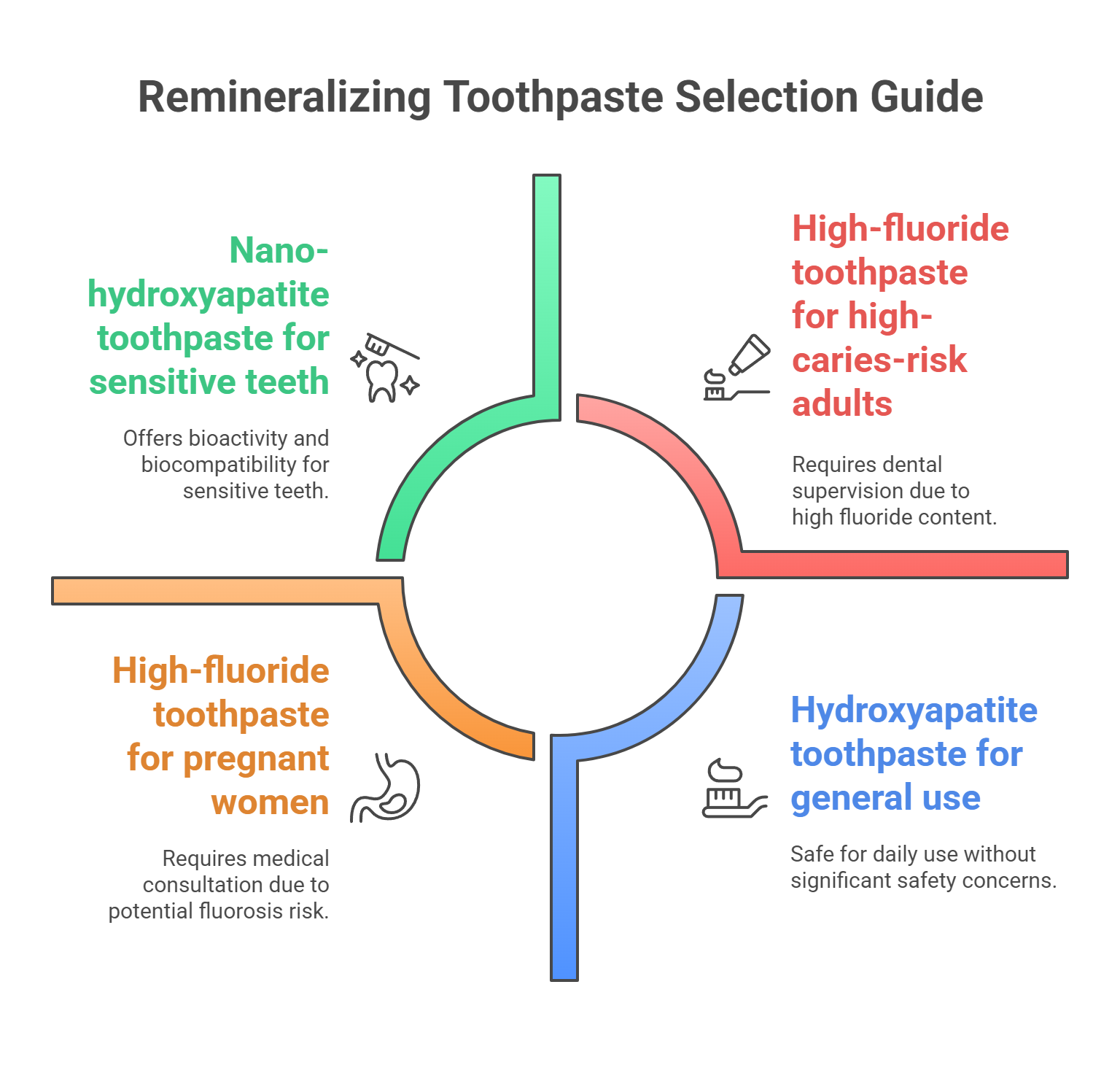
Brushing daily with fluoride toothpaste, limiting added sugars, and ensuring adequate calcium and vitamin intake are among the most effective strategies to slow mineral loss from tooth enamel. Choosing the Best remineralizing toothpaste can further support enamel strength and help protect against early decay.
Key minerals such as calcium and phosphate form the structural foundation of tooth enamel, as well as bone and dentin. These minerals play a crucial role in defending against tooth decay and cavity formation. When enamel is strong and properly mineralized, it acts as a resilient shield against acid attacks from food, beverages, and bacteria.
Over time, however, teeth naturally lose minerals. Frequent consumption of sugary or acidic foods and drinks can accelerate this process. Bacterial buildup in the mouth also contributes to mineral breakdown. Once enamel or bone tissue is lost, it cannot regenerate on its own without restorative dental procedures.
The encouraging news is that mineral levels can often be restored before cavities develop. Through targeted lifestyle adjustments, optimal oral hygiene, and the use of the Best remineralizing toothpaste, you can encourage a process called remineralization. At the same time, you can slow or even halt demineralization. If you’re wondering What is the best toothpaste to rebuild enamel?, understanding these foundational steps is essential.

Consult your dentist about the following evidence-based approaches to help remineralize your teeth and prevent further enamel damage. Demineralization and remineralization occur continuously and influence each other in a delicate balance.
1. Brush your teeth
Routine brushing is essential for removing harmful bacteria. Dental caries (cavities) most commonly result from the buildup of Streptococcus mutans bacteria in the oral cavity.
A 2016 study indicates that these bacteria are transmitted through food and beverages. Consistent brushing helps eliminate bacteria that contribute to mineral loss and cavity formation. Brushing at least twice daily with proper technique ensures plaque removal along the gumline and tooth surfaces.
2. Use fluoride toothpaste
Not all toothpaste formulas are effective against demineralization.
The American Dental Association (ADA) advises using fluoride toothpaste. In fact, a toothpaste cannot receive the ADA Seal of Acceptance unless it contains fluoride.
Fluoride toothpaste helps prevent tooth decay and reinforces enamel, making it more resistant to future mineral loss. Many experts consider fluoride-containing formulas among the Best remineralizing toothpaste options available. If you’re researching What is the best toothpaste to rebuild enamel after acid damage or early decay, fluoride remains a clinically supported ingredient.
3. Cut out sugar
Your dentist has likely emphasized reducing sugar intake—and with good reason. Oral bacteria ferment sugar, producing acids that create an environment conducive to enamel demineralization.
Importantly, a study found that the frequency of sugar consumption has a greater impact on demineralization than the total amount consumed.
This means that snacking on sugary foods repeatedly throughout the day can be more damaging than enjoying an occasional dessert. Reducing how often teeth are exposed to sugar allows saliva and remineralizing agents time to repair enamel between meals.
4. Chew sugarless gum
The role of chewing gum in dental health has long been discussed, but research suggests that sugar-free varieties may support remineralization.
An older study found that sugar-free gum can help clear sugars, plaque, and carbohydrates from the teeth while stimulating saliva production.
Saliva acts as a natural defense against mineral loss. Ingredients such as xylitol and sorbitol appear especially beneficial. Chewing sugarless gum after meals may enhance saliva flow and support the action of the Best remineralizing toothpaste in your oral care routine.
5. Consume fruit and fruit juices in moderation
Fruit is an important part of a balanced diet, yet many fruits are highly acidic. Citrus fruits like grapefruit and oranges are particularly erosive to enamel.
Fruit acids trigger calcium chelation, meaning the acids bind to calcium and remove it from enamel. Fruit juices can be even more harmful due to their acidity and added sugars.
To reduce risk, limit fruit juice intake and consume acidic fruits in moderation. Rinsing your mouth with water afterward can help neutralize acids and protect enamel.
6. Get more calcium and vitamins
Calcium is naturally present in teeth, but acids and bacteria gradually deplete it. Replenishing calcium through diet can help counteract this effect. A 2003 study demonstrated that consuming calcium-rich cheese may offset some of the harmful effects of sugar.
If your dietary intake is insufficient, discuss calcium supplementation with your healthcare provider.
A 2012 study found that vitamin D supplementation may offer protective benefits against cavities. Consult your doctor or dentist about vitamin D supplements.
Daily multivitamins may also help ensure you’re receiving essential nutrients needed for strong teeth and healthy gums.
7. Consider probiotics
When selecting probiotics for oral health, choose strains naturally found in the mouth. This helps restore beneficial bacteria without introducing potentially harmful strains.
The following probiotics may contribute to oral health and remineralization:
- bifidobacterium
- reuteri
- rhamnosus
- salivarius
Probiotics are available as supplements and in certain yogurts. Consistent daily use may help maintain a balanced oral microbiome, supporting enamel integrity and overall dental health.
8. Address your dry mouth
Dry mouth occurs when saliva production is insufficient. Saliva not only keeps your mouth comfortable but also plays a central role in cavity prevention.
According to 2016 research, saliva is vital for remineralization because it contains calcium and phosphate while buffering harmful acids.
If you experience persistent dry mouth, consult your dentist about sugar-free chewing gums, saliva-stimulating rinses, or other interventions that enhance saliva flow.
9. Reduce starchy foods
Starchy foods such as potatoes, rice, and bread contain simple carbohydrates that break down into fermentable sugars in the mouth, potentially contributing to enamel erosion.
However, a 2003 study found that cavity risk increases when starchy foods are consumed alongside sugar. For instance, sweetened rice may pose a higher risk than plain rice.
Being mindful of food combinations and maintaining consistent oral hygiene can significantly reduce the impact of starches on enamel.
10. Drink more water
Water remains the beverage of choice among healthcare professionals. It contains no sugar and helps flush harmful substances from the mouth.
Rinsing with water after eating can reduce acid levels and minimize demineralization, particularly when brushing isn’t immediately possible.
Coffee and tea can be acidic—especially coffee—and adding sugar increases the risk to enamel. Sodas are both acidic and often high in sugar, so limiting them is important for protecting enamel health.
The bottom line
Some mineral loss is unavoidable due to daily exposure to food, beverages, saliva, and bacteria. Although teeth are designed to withstand these challenges, excessive demineralization can weaken enamel over time.
By adopting preventive strategies—such as limiting sugar, optimizing nutrient intake, stimulating saliva production, and using the Best remineralizing toothpaste—you can promote enamel repair and slow further damage. Regular dental checkups remain essential to maintaining strong, healthy teeth for years to come.


















Leave a Reply
You must be logged in to post a comment.