
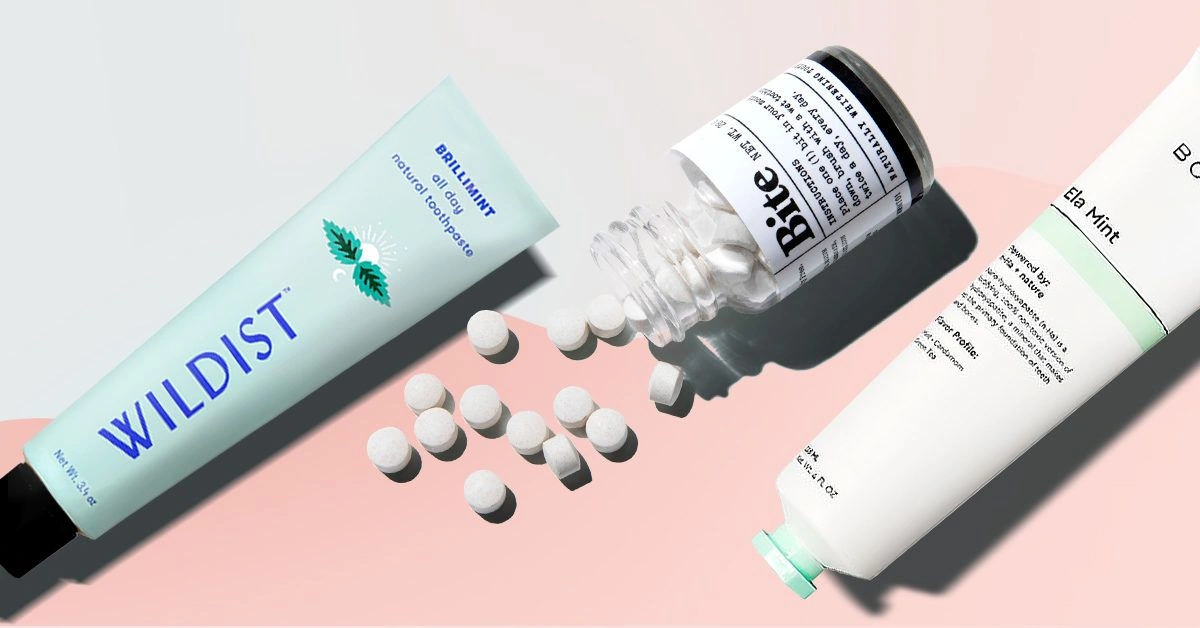

When you’re aiming to look your best, one essential step you shouldn’t skip is brushing your teeth. While there are countless natural and eco-friendly products for hair and skin, finding the right toothpaste to enhance your smile can feel overwhelming.
Choosing the Best enamel repair toothpaste or a high-quality natural alternative can make a meaningful difference in your oral health routine. Not every toothpaste — even those labeled “natural” — delivers the same level of effectiveness. Your toothpaste should thoroughly clean your teeth, support enamel health, and help maintain a balanced oral environment.
If you’re ready to refresh your brushing routine and explore new options, here are 10 natural toothpastes worth considering.
A quick look at the best natural and organic toothpastes
- Best fluoride-free whitening toothpaste:Hello Antiplaque + Whitening Fluoride-Free Toothpaste
- Best fluoride-free toothpaste for polishing:Public Goods Toothpaste
- Best fluoride-free toothpaste for sensitive teeth:Wildist Brillimint Toothpaste
- Best zero-waste fluoride-free toothpaste:Bite Toothpaste Bits
- Best minimalist fluoride-free toothpaste:Davids Premium Natural Toothpaste
- Best fluoride-free toothpaste with aloe vera:Dr. Bronner’s Organic Peppermint Toothpaste
- Best fluoride-free toothpaste with n-HA:Ela Mint Toothpaste
- Best, cleanest rinsing fluoride-free toothpaste:RiseWell Mineral Toothpaste
- Best charcoal fluoride-free toothpaste:Schmidt’s Activated Charcoal with Wondermint
- Best variety fluoride-free toothpaste:Tom’s of Maine
How we chose
We selected these toothpastes based on consumer feedback, available scientific research on their ingredients, and guidance from the American Dental Association (ADA). We also considered how well each formula supports enamel strength, plaque control, and overall oral hygiene.
Pricing guide
- $ = under $5
- $$ = $5–$10
- $$$ = over $10
Best fluoride-free whitening toothpaste
Hello Antiplaque + Whitening Fluoride-Free Toothpaste
Price: $

Many online reviewers appreciate Hello for offering a toothpaste they feel comfortable using for the entire household. Crafted from vegan ingredients and free of dyes, artificial sweeteners, and artificial flavors, this fluoride-free formula uses hydrated silica, calcium carbonate, peppermint, tea tree oil, and coconut oil to help keep teeth clean and bright.
Ingredients such as zinc citrate, sodium cocoyl, and erythritol are included to assist in controlling plaque buildup and promoting a fresher oral environment.
Benefits
- hydrated silica and calcium carbonate clean tooth enamel
- zinc citrate helps prevent tooth cavities and plaque
- coconut oil provides moisture
- is cruelty-free and vegan
Best fluoride-free toothpaste for polishing
Public Goods Toothpaste
Price: $$

Formulated with crisp peppermint, Public Goods Toothpaste avoids fluoride, parabens, phthalates, and formaldehyde-related ingredients. Instead, it depends on mild abrasives and coconut-derived components to reduce plaque and surface stains.
Offered in both large and travel-size versions, this toothpaste receives praise for its refreshing flavor and the clean sensation it leaves behind.
Benefits
- calcium carbonate and silica clean tooth enamel
- xylitol fights cavities
- peppermint oil helps freshen breath
- is cruelty-free, vegan, and gluten-free
What is natural toothpaste?
There is no strict regulatory definition for “natural” toothpaste. Typically, the label suggests the formula excludes certain chemicals associated with health concerns or uses less processed ingredients compared to conventional products.
Most toothpastes include several basic ingredients:
- a mild abrasive to remove debris and stains
- humectants to retain moisture
- flavoring agents for freshness
- a detergent to create foam and distribute the paste
Additional ingredients may include:
- fluoride to fight cavities and prevent tooth decay
- ingredients to combat plaque and gingivitis
- whitening agents
- desensitizers
Why go natural?
Some people opt for natural toothpaste due to environmental priorities or a desire to reduce exposure to synthetic ingredients. Others may have sensitivities or allergies to certain additives.
Simple formulations, including those with baking soda, can effectively clean the surface of teeth. However, it’s important to consider your full range of dental needs — such as enamel protection, gum care, and cavity prevention. If your goal is stronger enamel, you may also want to explore resources like Is there a toothpaste that makes teeth stronger? or review options for the Best remineralizing toothpaste to better understand enamel-supporting ingredients like hydroxyapatite.
What to look for in a natural toothpaste
While a natural label may appeal to you, it’s essential to evaluate how well a toothpaste actually performs. Many natural brands highlight being “fluoride-free,” yet fluoride is a naturally occurring mineral that helps protect against cavities.
Unless you have a specific sensitivity, consult your dentist before eliminating fluoride entirely.
“It’s vital that everyone uses a toothpaste with fluoride,” said Tyrone Rodriguez, DDS, a dentist and spokesperson for the ADA. “Fluoride is a natural cavity fighter that helps strengthen tooth enamel and fight tooth decay. In fact, it has been responsible for a significant drop in cavities since 1960. This is why all toothpastes with the ADA Seal of Acceptance contain fluoride.”
The ADA exclusively recommends toothpastes that contain fluoride. A 2016 study found that adverse effects from fluoride occurred only with unsupervised overingestion in high concentrations.
Additionally, the most studied fluoride alternatives are rarely natural. While baking soda and similar abrasives can help clean teeth, they may not offer the same level of cavity prevention as fluoride.
Rodriguez emphasizes choosing a toothpaste based on how effectively it cleans tooth surfaces. He suggests selecting a formula with sufficient grit that produces foam during brushing. Even if you prefer natural ingredients, it’s wise to check with a dental professional to confirm it meets your needs.
He also advises caution with citrus-based ingredients, which are acidic and may erode enamel or worsen acid reflux symptoms. Some baking soda products may contain added salt, which could be problematic for individuals with certain heart conditions or high blood pressure.
Keeping up with your oral hygiene
Whether you choose the Best enamel repair toothpaste, a fluoride-free option, or a traditional ADA-approved formula, maintaining consistent oral hygiene habits is essential:
- Brush at least twice daily, including your tongue.
- Floss every day to support gum health.
- Use mouthwash to help prevent gingivitis.
- Visit your dentist regularly for professional cleanings.
“Brushing your teeth is just one part of oral hygiene,” says Rodriguez. “A lot of times, people overlook getting in between the teeth. Flossing is great to get in between those areas.” He also highlights the importance of cleaning your tongue.
The bottom line
Your oral health involves more than just achieving a bright smile. An effective toothpaste removes debris, polishes enamel, and helps regulate bacteria for balanced mouth health.
Discuss your specific concerns and dental goals with your dentist. With so many products available — from natural blends to enamel-repairing formulas — a professional can help you determine the best solution for maintaining a healthy, confident smile.




















Leave a Reply
You must be logged in to post a comment.