

Key takeaways
- Leukemia can lead to noticeable skin changes when abnormal white blood cells displace healthy blood cells. Typical signs include rashes, unexplained bruising, and sores inside the mouth.
- Petechiae are tiny red or dark pinpoint spots caused by broken capillaries when platelet counts are low. Reduced platelets can also result in frequent bruising and bleeding that is difficult to stop.
- Leukemia cutis is uncommon, but it occurs when leukemia cells spread to the skin. Inform your doctor promptly about new rashes, infections, or sudden skin changes, particularly during treatment.
Leukemia is a form of blood cancer that begins in the bone marrow, the tissue responsible for producing blood cells. It prompts the body to generate a high number of abnormal white blood cells.
Under normal circumstances, white blood cells defend the body against infection. In leukemia, these faulty white blood cells crowd out healthy cells, which can lead to various skin-related symptoms. Many people search for Cancer bruises pictures to better understand what these changes might look like and how they differ from ordinary bruises.
In 2022, about 536,245 people in the United States were living with leukemia, according to the National Cancer Institute (NCI). Additionally, approximately 66,890 new cases were projected for 2025.
This article explains the different skin symptoms that leukemia may cause, what they can look like in Cancer bruises pictures, and when to seek medical advice.
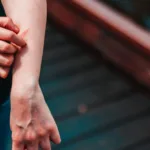
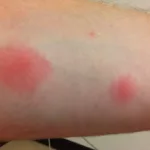
Pictures of leukemia rashes and bruising
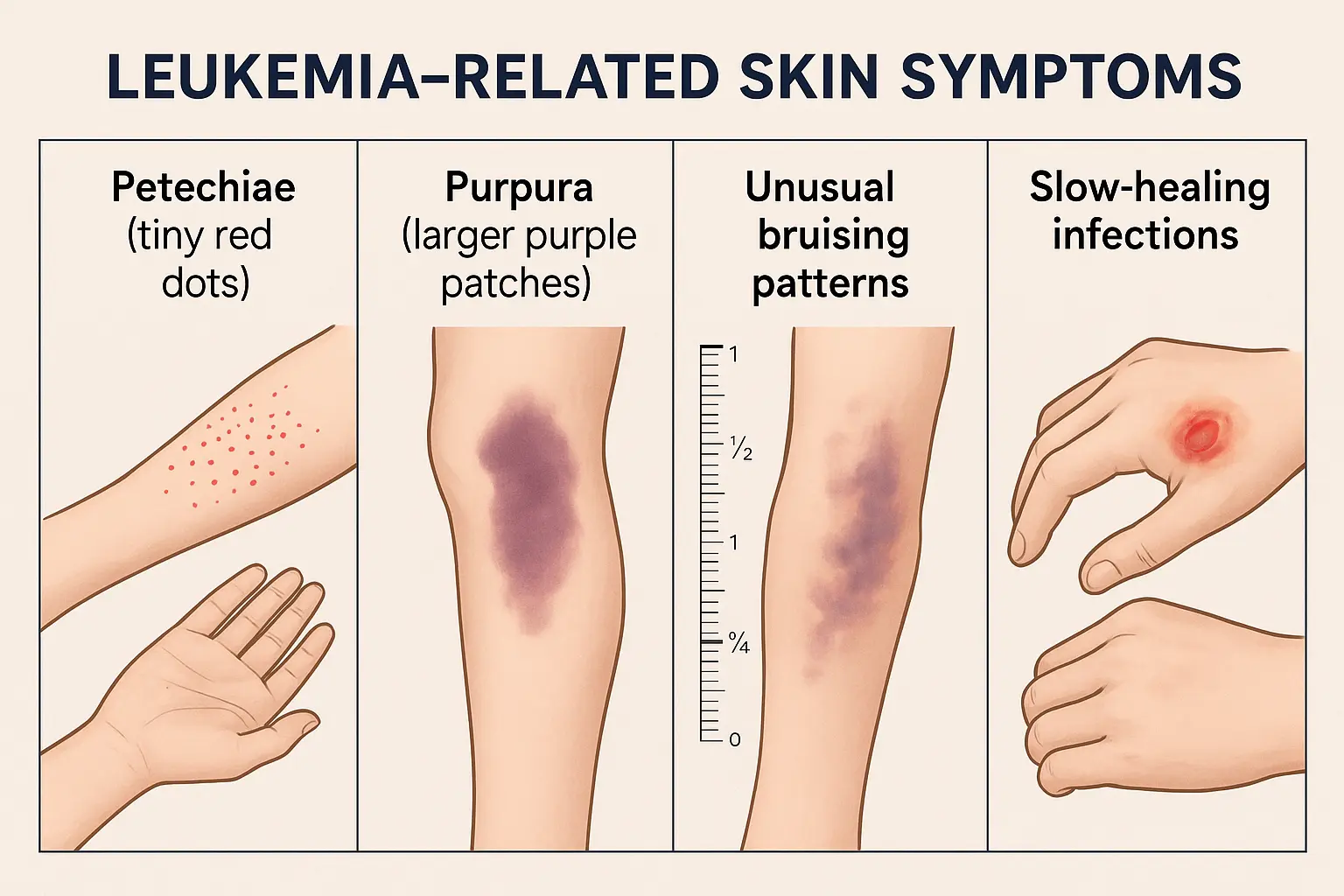
Leukemia skin symptoms
Common skin-related symptoms associated with leukemia include:
- petechiae
- acute myeloid leukemia (AML) rash
- mouth sores and swollen gums
- leukemia cutis
- easy bruising and bleeding
- changes in skin color
- other skin infections due to a reduced immune response
Tiny spots called petechiae
Some individuals with leukemia may observe very small red spots on their skin. These pinpoint marks are known as petechiae. On fair or light skin tones, they often appear as red dots. On darker skin tones, they may look darker than the surrounding area and can be more subtle.
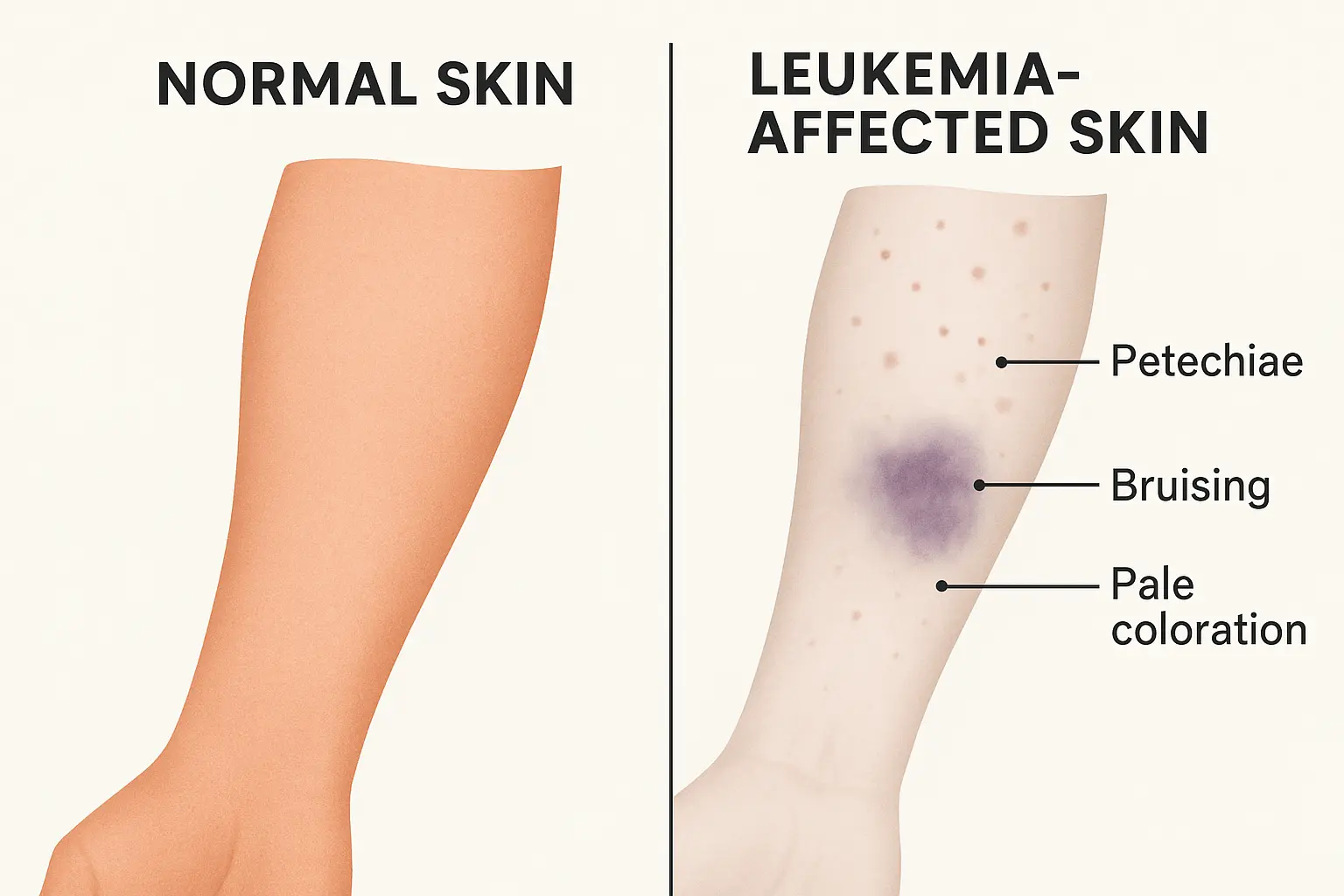
Petechiae usually occur in areas where blood tends to collect, such as the:
- feet
- legs
- hands
- arms
These spots form due to tiny ruptured blood vessels, called capillaries, beneath the skin. Normally, platelets — disc-shaped blood cells — help clot the blood and seal these vessels. In leukemia, platelet levels may be too low to close off the damaged capillaries effectively.
Mouth sores and swollen gums
Mouth ulcers are common in certain types of leukemia. In fact, some researchers suggest that newly developed mouth ulcers and swollen gums can be an early indication of AML.
These oral changes may result from decreased white blood cell levels or anemia, both of which are common in leukemia.
Leukemia cutis
Leukemia cutis describes a range of skin signs that appear when leukemia affects the skin directly. It may appear before, at the same time as, or after other leukemia symptoms. However, experts note that it is rare. It occurs when leukemia cells migrate to the skin.
Symptoms can affect the face, trunk, and extremities and may include:
- changes in skin color
- plaques (thickened patches)
- ulcers and blisters, in some cases
- firm or rubbery lumps under the skin, known as nodules
- small raised bumps called papules, which may also feel firm or rubbery
Bruises
A bruise forms when blood vessels beneath the skin are injured. People with leukemia tend to bruise more easily because their bodies do not produce enough platelets to stop bleeding effectively.
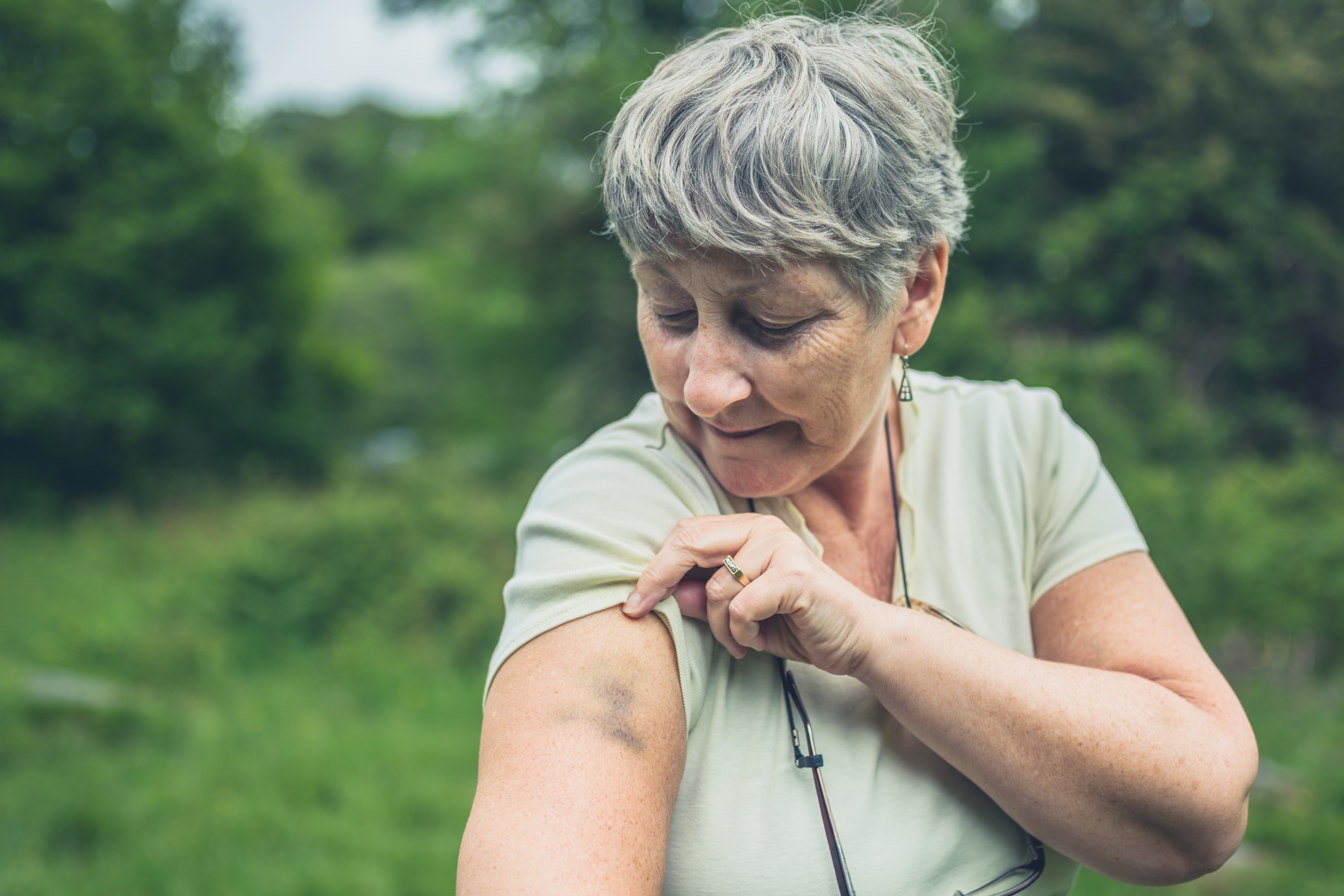
Leukemia-related bruises resemble typical bruises, but they often occur more frequently and may appear without a clear cause. Reviewing Cancer bruises pictures can help illustrate how these bruises may develop on the legs, arms, and hands, as well as in less common areas such as the back.
In older adults, bruising may already be more common due to thinner skin. Comparing symptoms with resources such as Elderly skin bruising pictures or Mild elderly skin bruising pictures can help distinguish age-related bruising from changes that may require medical evaluation.
Easy bleeding
The same platelet deficiency that contributes to bruising can also cause excessive bleeding. Individuals with leukemia may bleed more than expected, even from minor cuts or injuries.
They might also notice spontaneous bleeding, such as from the gums or nose, without any obvious injury. Bleeding episodes may last longer than usual and can be harder to control.
Change in skin color
Leukemia may cause dark-colored rashes or bruises, but it can also alter overall skin tone in other ways.
People with fair skin tones may appear pale due to anemia. In those with darker skin tones, the mucous membranes inside the mouth, nose, or eyes may look bluish or gray.
Anemia occurs when the body has too few red blood cells. Without enough red blood cells to transport oxygen, symptoms may include:
- fatigue
- weakness
- lightheadedness
- shortness of breath
Other skin infections and problems associated with leukemia
If you have leukemia, skin changes may also arise from infections or reactions, such as allergies or sensitivities to medications.
When the body cannot produce sufficient white blood cells, it becomes more vulnerable to infections and inflammatory conditions. A weakened immune response makes it harder to fight off common pathogens.
Ringworm and other fungal infections
Leukemia affects immune function, making it more challenging to defend against fungal and other infections.
Some fungal infections can become life threatening. Following your doctor’s guidance on prevention and early treatment is essential. Fungal infections may include:
- Ringworm: A fungal infection, also known as tinea, that appears as a circular, often itchy rash on the skin.
- Nail infections: These may cause nails to change color, crack, split, or even detach. They can be linked to fungal infections elsewhere on the skin.
- Candida: A fungus normally present on the skin and in areas such as the mouth, throat, gut, and vagina. It typically does not cause issues but may lead to a rash if immunity is compromised.
Because various fungal infections can affect people with leukemia, it is important to inform your doctor promptly about any new or worsening skin symptoms.
Folliculitis
Folliculitis is an infection that affects the hair follicles. It is most commonly caused by bacteria but may also result from fungal or viral infections. A weakened immune system increases susceptibility.
Symptoms may include:
- pustules (small, fluid-filled bumps)
- itching
- papules or plaques, in certain cases
It can develop on the:
- scalp
- face
- neck
- shoulders
Vasculitis
Vasculitis refers to inflammation of small blood vessels and capillaries. People with leukemia or other immune-related conditions may have a higher likelihood of developing leukocytoclastic vasculitis.
Symptoms can include purple or darker patches on the skin that feel different from surrounding tissue. These areas may measure from 1 millimeter to 1 centimeter in diameter.
Additional signs may include:
- pustules
- bullae, resembling blisters
- nodules
- crusted ulcers
Other possible symptoms are:
- a low grade fever
- a general feeling of being unwell
- body pain
In some cases, skin ulceration can occur. If you observe these changes, consult your doctor promptly.
Sweet syndrome
This condition can affect individuals with various underlying conditions, including cancer or a weakened immune system. Also known as acute febrile neutrophilic dermatosis, it may result from infection or from cancer itself.
Symptoms include:
- fever
- plaques
- papules
- arthralgia
- headaches
- changes in your skin color
- possible oral or genital lesions
Skin changes often develop suddenly and may be accompanied by fever. Although symptoms can sometimes resolve without treatment, people diagnosed with leukemia should always seek medical guidance.
Allergic reactions to treatment
Certain medications may trigger skin rashes.
Morbilliform drug eruption is a common immune reaction to prescription medications. Those with weakened immune systems face a higher risk.
A rash typically appears 1 to 2 weeks after starting a medication but may develop up to a week after stopping it. If the medication is restarted, the rash can reappear within 1 to 2 days.
The reaction generally:
- involves papules or flat macules
- causes changes in skin color that may blanch with pressure and return once pressure is released
- begins on the trunk and spreads symmetrically to the limbs and neck
The rash may look pink to red on any skin tone, although color changes may be less noticeable or appear darker on deeper skin tones.
In most instances, the rash resolves after discontinuing the medication. However, do not stop any prescribed drug without first consulting your doctor.
Chemotherapy, radiation therapy, and other cancer treatments may also cause rashes, dryness, or additional skin changes. Before beginning treatment, discuss potential side effects and when to seek help.
Other symptoms of leukemia
Leukemia can produce a wide range of symptoms, depending on the specific type. Many are linked to a shortage of healthy blood cells. In addition to skin findings often shown in Cancer bruises pictures, the American Cancer Society (ACS) identifies common symptoms associated with low blood cell counts:
- feeling unusually tired or weak
- feeling dizzy or lightheaded
- difficulty breathing
- frequent infections, including fever and chills
- heavy bleeding during menstruation
- frequent or severe nosebleeds
- bleeding gums
- weight and appetite loss
- night sweats
These symptoms are not exclusive to leukemia. Blood tests and further evaluation are necessary to confirm or exclude the diagnosis.
Acute lymphocytic leukemia
Additional symptoms of acute lymphocytic leukemia (ALL) may include:
- abdominal swelling due to cancer cells accumulating in the liver and spleen
- swollen lymph nodes that appear as lumps under the skin, such as in the underarms, neck, or groin
- bone or joint pain
- other symptoms if leukemia spreads to areas such as the lungs or brain
Chronic myeloid leukemia
In chronic myeloid leukemia (CML), symptoms usually progress gradually. They include:
- weakness and fatigue
- night sweats and fever
- weight loss
- bone pain
- swelling of the spleen beneath the left rib cage
- a sensation of fullness in the abdomen, even after eating small amounts
Childhood leukemia
According to the ACS, symptoms specific to childhood leukemia include:
- weakness and fatigue
- feeling cold
- dizziness and lightheadedness
- difficulty breathing
- changes in skin color, such as darker skin appearing duskier or lighter skin looking paler
The bottom line
If you have received a leukemia diagnosis, your doctor will explain which symptoms to monitor and how to respond if they occur.
When leukemia or its treatment weakens the immune system, it is important to seek medical advice promptly for any new or concerning skin changes, including those that resemble findings in Cancer bruises pictures. Early evaluation can help prevent complications.
If you do not have leukemia, remember that rashes, bruises, and color changes can result from many different causes. However, if these changes occur alongside other worrying symptoms, consult a healthcare professional for assessment.
Many skin conditions improve with appropriate treatment, and obtaining a timely medical evaluation can help rule out more serious underlying causes.















Leave a Reply
You must be logged in to post a comment.