

Although colon cancer may not trigger clear warning signs, particularly in its early phases, it can still lead to noticeable alterations in bowel habits, the presence of blood in the stool, and other concerning gastrointestinal changes.
Colon cancer forms when malignant cells develop within your large intestine, also referred to as the colon. In many cases, cancers that involve both the colon and rectum are grouped together under the term colorectal cancer.
Some people researching symptoms such as dark or tarry stools may worry about severe outcomes, including topics like Black stool causes death. While black stool can be linked to serious conditions, including gastrointestinal bleeding, it does not automatically indicate a fatal illness. Understanding the potential causes—ranging from colorectal cancer to other digestive disorders—is essential for early evaluation and treatment.

Below is an overview of common colon cancer symptoms and guidance on when it’s appropriate to consult a doctor.
What’s the difference between colorectal cancer and anal cancer?
Cancers are classified based on the area of the body where they originate.
Colorectal cancer refers to malignancies affecting the colon and rectum. Anal cancer, on the other hand, develops in the anus, which is the final portion of your gastrointestinal (GI) tract. The rectum connects the colon to the anus.
Approximately 20% of individuals with anal cancer may not notice any symptoms initially. When symptoms are present, they can differ somewhat from those of colorectal cancer. Anal bleeding may occur, but other frequent symptoms include anal discomfort or itching, constipation, and swelling of lymph nodes in the groin region.
What does colon cancer poop look and feel like?
Colon cancer can influence the appearance and consistency of your stool. You might observe that your stool becomes thinner than usual or more difficult to pass, sometimes described as pencil-thin stools.
Another potential indicator is blood in the stool. This can cause stool to appear dark brown or black. Instead of seeing bright red blood on the surface, you may see a darker discoloration mixed throughout the stool.
Very dark, tarry stool—sometimes referred to as melena—can signal bleeding higher in the digestive tract. If you are unsure what this looks like, reviewing Melena stool pictures may help you better understand the visual differences. However, not all dark stools are due to cancer. Certain foods, supplements like iron, or medications can also cause Black stool without blood, which is typically less concerning.
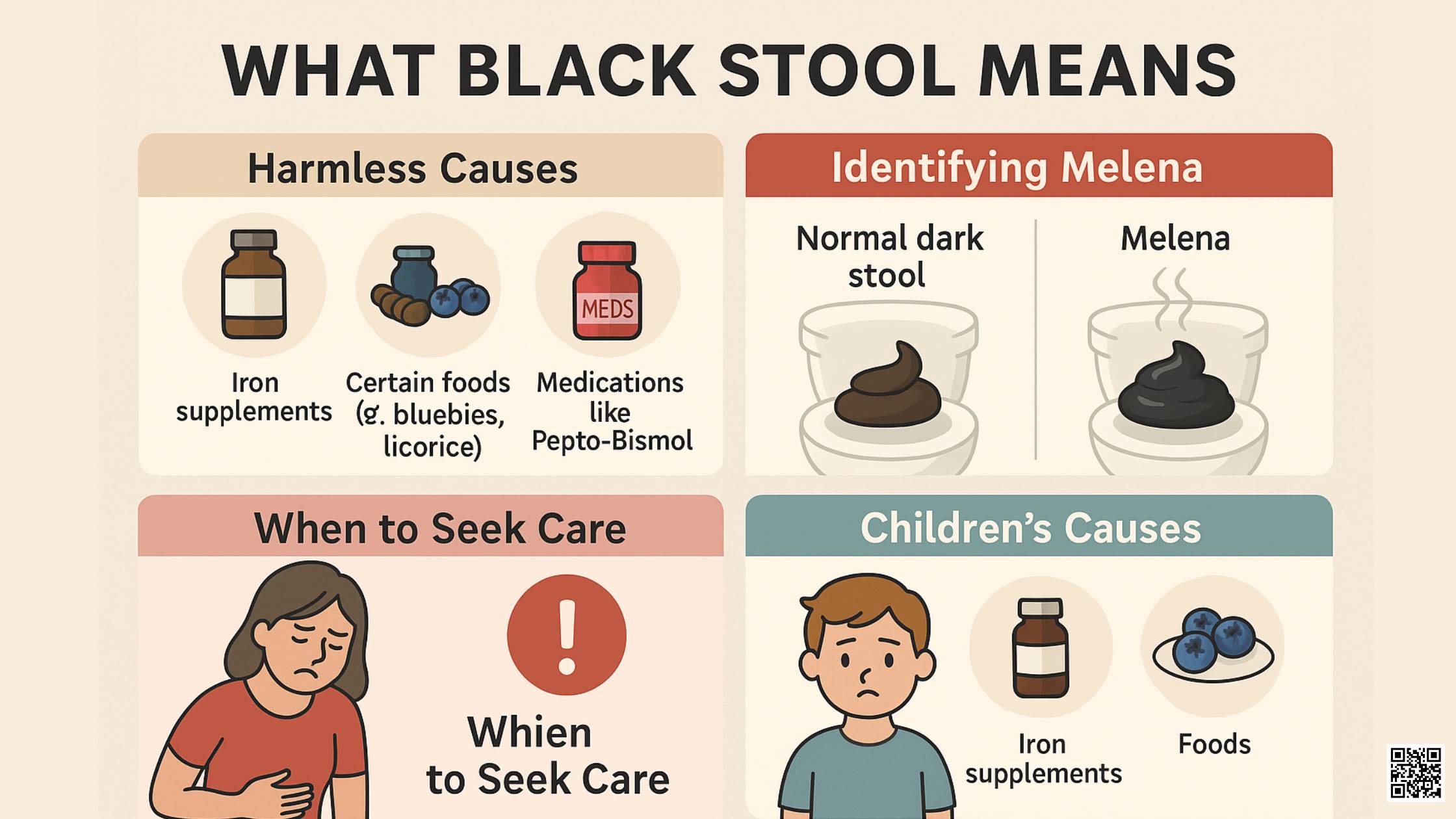
Concerns about Black stool causes death often arise from the fear of internal bleeding. While significant gastrointestinal bleeding is a medical emergency, many causes of black stool are treatable when addressed promptly.
At what stage does colon cancer bleed?
Blood in the stool related to colon cancer occurs when bleeding develops somewhere in the digestive tract. You may notice darker stools that contain blood, and over time, chronic blood loss can lead to anemia. Anemia is a condition characterized by a reduced number of red blood cells and may cause fatigue, weakness, or shortness of breath.
In the early stages, colon cancer may not bleed at all. If the malignancy progresses to involve the rectum, however, you may notice bright red blood after a bowel movement or blood coating the outside of the stool.
It’s important to remember that although people sometimes associate severe bleeding and Black stool causes death, early detection of colorectal cancer greatly improves outcomes and survival rates.
How does colon cancer affect bowel movements?
Beyond visible blood, colon cancer can disrupt your usual bowel patterns. Instead of occasional diarrhea or constipation, you may experience changes that last longer than several days or become persistent.
Examples include:
- diarrhea
- constipation
- a feeling that your bowel does not empty completely
These ongoing alterations in bowel habits should not be ignored, particularly if they represent a clear departure from your normal digestive routine.
Other gastrointestinal symptoms of colorectal cancer
Additional GI symptoms associated with colon cancer may include:
- abdominal pain or cramping
- weakness
- fatigue
- unintentional weight loss
- bloating
- gas
- nausea
- vomiting
In advanced stages, colon cancer may metastasize to the liver. If this occurs, you may experience jaundice, which includes yellowing of the skin or the whites of the eyes.
Because some of these symptoms overlap with other digestive disorders—such as inflammatory bowel disease (IBD), hemorrhoids, or peptic ulcers—a medical evaluation is crucial for an accurate diagnosis.
Who is likely to get colon cancer?
Age is a significant risk factor. The likelihood of developing colon cancer increases after 50 years. As a preventive measure, doctors often recommend beginning screening around 45 years.
Earlier screening may be advised if you have additional risk factors, including a personal or family history of:
- colorectal cancer
- benign colon polyps
- cancers of the breast, endometrium, or ovaries
- inflammatory bowel disease (IBD)
- overweight or obesity
Certain lifestyle factors can also elevate your risk, such as:
- consuming a diet low in fiber and high in fats
- not eating enough fruits and vegetables
- physical inactivity
- alcohol consumption
- smoking
Adopting healthier habits—like increasing dietary fiber, maintaining a healthy weight, staying active, and limiting alcohol—may help reduce risk, although they cannot eliminate it entirely.
When to contact a doctor
When identified early, up to 90% of colorectal cancers are treatable. In some instances, a physician may detect colon cancer during routine screening before it even causes symptoms.
You should schedule an appointment with a doctor if you experience any of the symptoms discussed above for more than 2 weeks. While these signs may be linked to other GI conditions, it’s important to rule out colon cancer, especially if you notice persistent dark stools, unexplained anemia, or ongoing changes in bowel habits.
If you have already been diagnosed with colon cancer, notify your healthcare provider if your symptoms worsen or new symptoms develop. Colorectal cancer symptoms often become more pronounced once the disease has progressed.
How are the gastrointestinal symptoms of colon cancer treated?
Managing GI symptoms caused by colon cancer involves treating the cancer itself. Addressing the underlying malignancy typically helps relieve associated digestive issues.
The specific treatment plan depends on tumor size, stage, and whether the cancer has spread to the rectum, lymph nodes, or distant organs.
Possible treatment options include:
- chemotherapy
- immunotherapy
- radiation therapy
- targeted therapy
- radiofrequency ablation
- cryosurgery
- surgery, which is the most common option for all colon cancer stages
Treatment decisions are individualized and based on clinical evaluation, imaging results, and overall health status.
Takeaway
Colon cancer begins in the large intestine and may not produce obvious symptoms until it has extended to nearby structures such as the rectum.
Changes in stool appearance, persistent bowel habit alterations, and the presence of blood—whether bright red or dark and tarry—should prompt medical attention. Although fears surrounding topics like Black stool causes death are understandable, early medical evaluation significantly improves outcomes.
Consult a doctor if you notice unusual digestive symptoms, especially if they persist. Routine screenings remain one of the most effective tools for detecting colon cancer at a stage when treatment is most successful.






















Leave a Reply
You must be logged in to post a comment.