

Mucus in stool is fairly common and is often linked to issues like constipation or dehydration. However, in certain situations, it may signal a more serious underlying health condition.
Mucus is a thick, jelly-like substance produced by your body to coat and safeguard delicate tissues and organs. It helps minimize damage from bacteria, viruses, or fungi and provides protection against stomach acid and other potentially irritating fluids. When reviewing Colon cancer pictures of mucus in stool, it’s important to understand that not all visible mucus indicates cancer—many cases are related to benign digestive concerns.
When you’re in good health, mucus is usually clear and present in such small quantities that it’s barely noticeable. Dehydration or constipation can cause the mucus normally found in the colon to pass more visibly in bowel movements.
Although a small amount of mucus in stool is common, noticing larger amounts, a change in color, or the presence of blood may indicate a condition that requires medical attention. If you’re searching for Colon cancer pictures of mucus in stool to compare symptoms, keep reading to better understand the possible causes and when to seek care.
Hemorrhoids and rectal prolapse
Hemorrhoids are enlarged veins that develop around the anus or within the lower rectum. They may be internal or external. Rectal prolapse occurs when the rectum begins to protrude through the anus.
Both hemorrhoids and rectal prolapse can lead to a small amount of mucus leaking into the stool, a symptom often referred to as rectal discharge. This discharge may sometimes be mistaken for more serious findings seen in Colon cancer pictures of mucus in stool, but these conditions are typically noncancerous.
Inflammatory conditions
Alterations in mucus production can also stem from inflammatory bowel disease that requires medical management. Some of these conditions include:
- crohn’s disease
- cystic fibrosis
- ulcerative colitis
- irritable bowel disease (IBD)
Inflammation in the digestive tract may stimulate excess mucus secretion, resulting in noticeable mucus in bowel movements. In some cases, individuals may also observe abdominal pain, chronic diarrhea, fatigue, or unintended weight loss. Comparing symptoms with reliable resources, such as White mucus in stool photos, can help distinguish inflammatory causes from other gastrointestinal disorders.
Irritable bowel syndrome (IBS)
IBS differs from IBD in that it is not an inflammatory disease. Instead, it involves a functional disturbance in the bowel, and its exact cause is often unclear.
Even so, IBS is another condition that can cause mucus in stool along with symptoms such as abdominal discomfort, diarrhea, bloating, and nausea. Mucus associated with IBS is commonly white or yellow. For additional visual guidance, some people review Hard poop With white mucus to better understand how stool changes may appear.
Intestinal infection
Intestinal infection is another potential cause of mucus in stool. Bacterial infections such as salmonella and shigellosis can result from consuming contaminated food.
Researchers suggest bacteria may stimulate increased mucus production, leading to mucus-filled stools. Severe diarrhea may further raise mucus levels. Parasitic infections can also lead to mucus in stool. These infections are often accompanied by fever, cramping, or dehydration.
Malabsorption
Malabsorption occurs when the intestines cannot effectively absorb certain nutrients. Conditions linked to malabsorption include lactose intolerance and celiac disease.
Some disorders can also prevent proper fat absorption, causing fat to be excreted in stool—a condition known as steatorrhea. Steatorrhea may be associated with pancreatitis or gallstones and can result in bulky, greasy stools that may also contain visible mucus.
Colon or rectal cancer
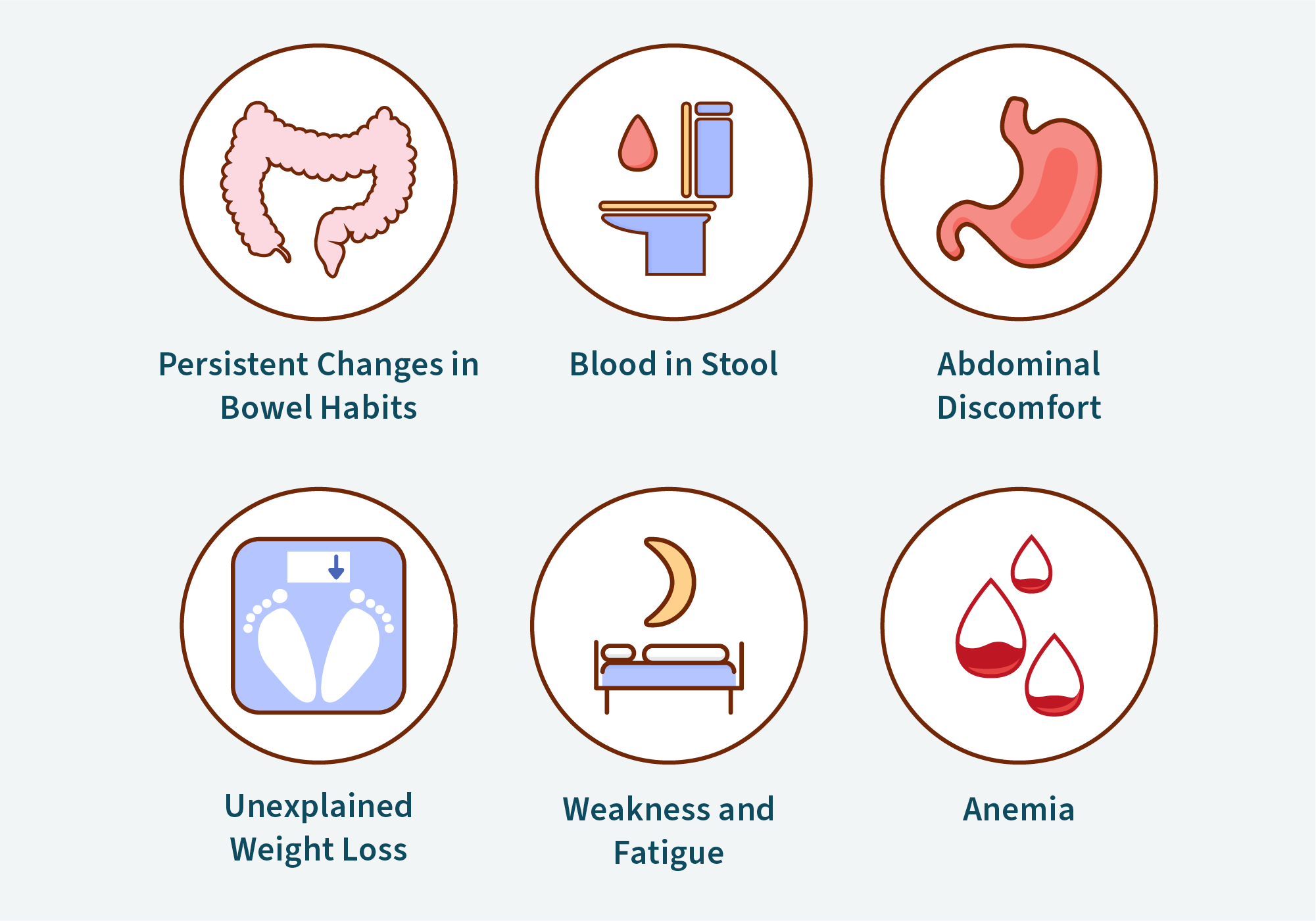
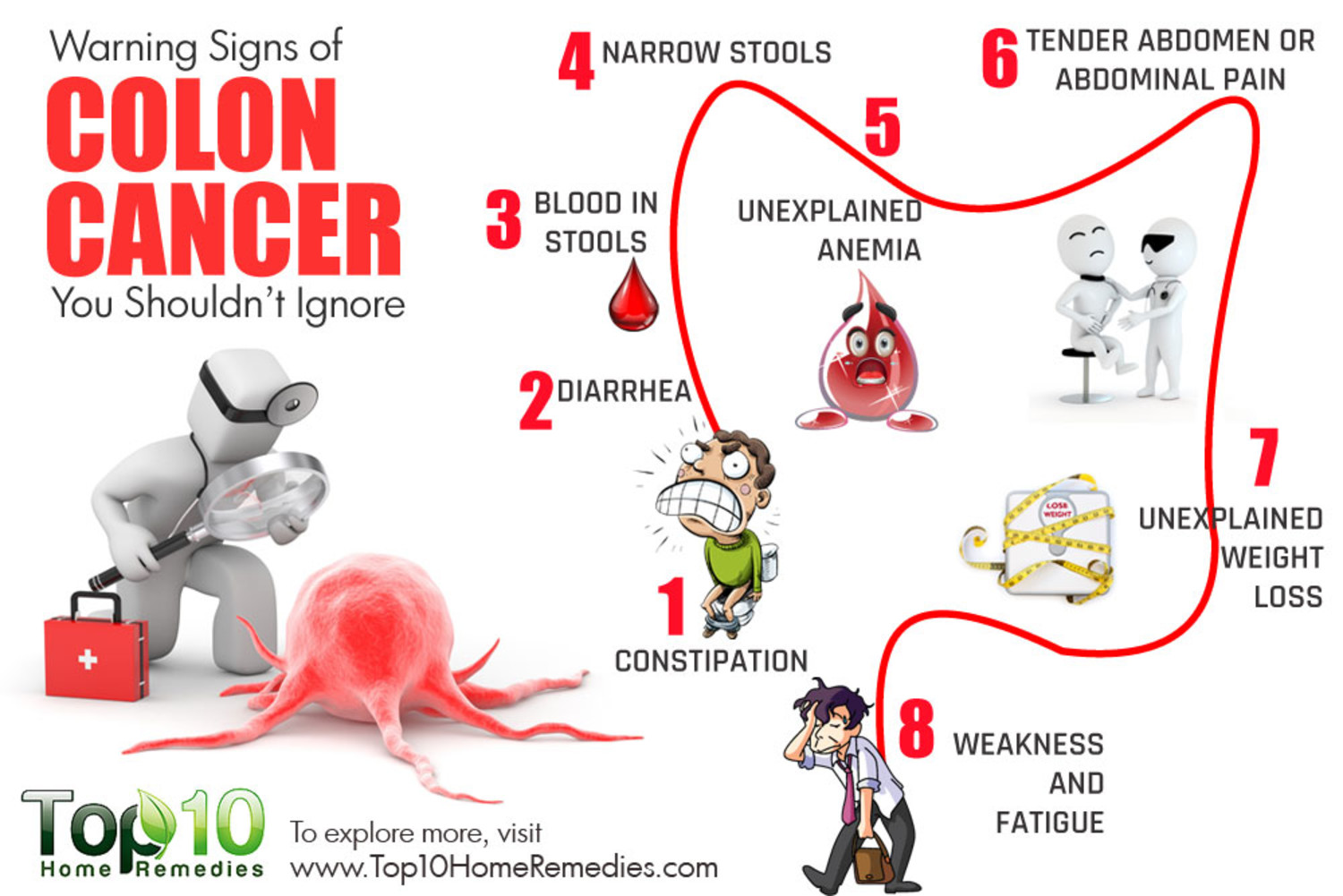
Colon or rectal cancer develops in the colon or rectum and can produce symptoms including blood in stool, mucus in stool, rectal bleeding, persistent changes in bowel habits, and unexplained weight loss. When reviewing Colon cancer pictures of mucus in stool, mucus may sometimes appear mixed with blood or accompanied by darker, tarry stools.
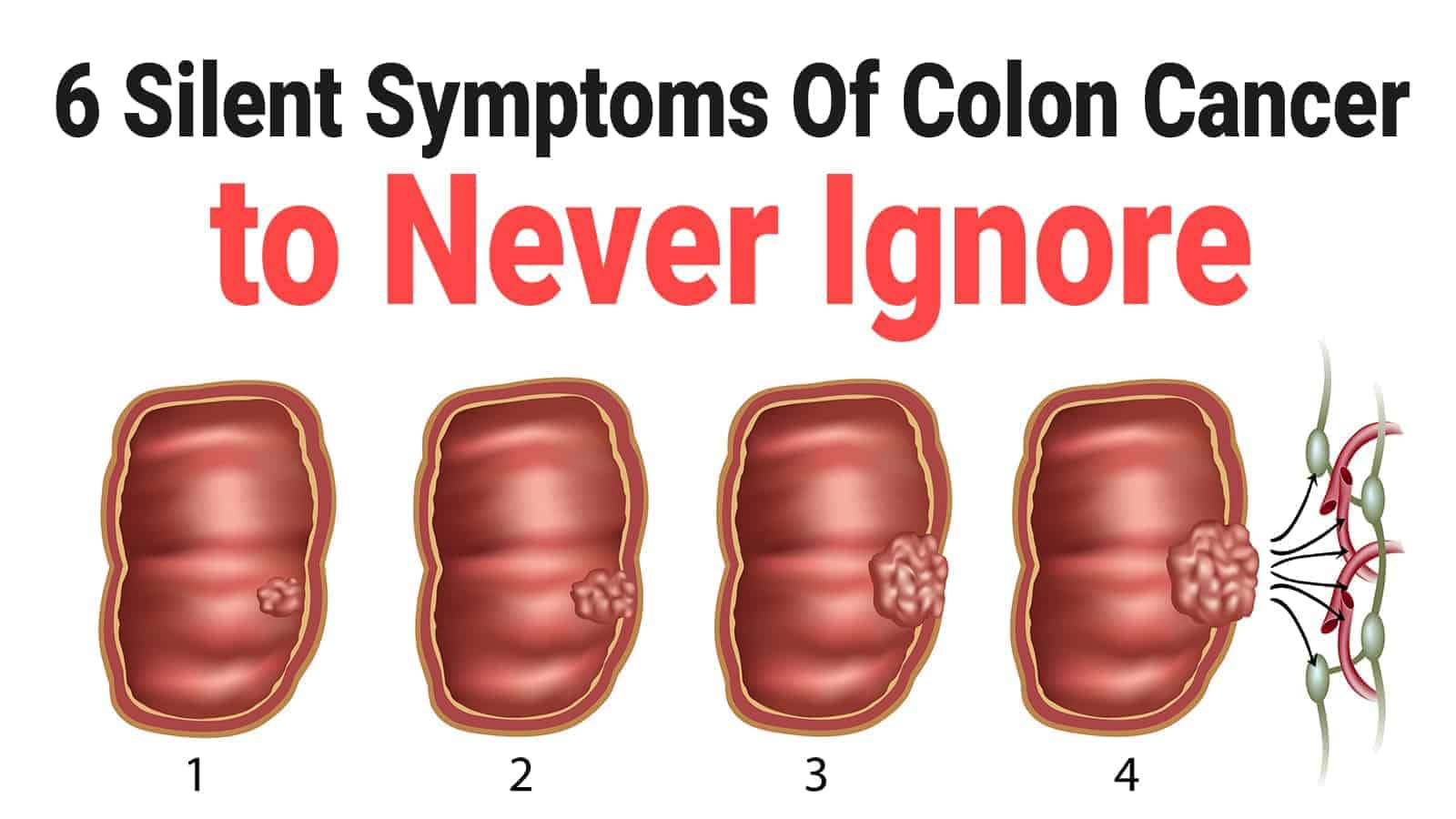
Although these symptoms are more often caused by less serious conditions, it’s essential to consult your doctor promptly for evaluation if you experience them. Early detection of colon or rectal cancer significantly improves treatment outcomes.
Diagnosis
Most physicians begin with a physical examination and blood testing. These initial assessments provide insight into your overall health status and can detect signs of infection, inflammation, or anemia.
If further evaluation is necessary, your doctor may request additional tests, such as:
- stool culture
- colonoscopy
- an imaging test, such as an X-ray, a CT scan, or a pelvic MRI scan
- sweat electrolytes test (typically done if there’s the possibility of cystic fibrosis)
For some individuals, a clear diagnosis is reached quickly. In others, identifying the root cause may require comprehensive testing over time.
Treatment
Treatment depends entirely on the underlying diagnosis. In mild cases—particularly those related to dehydration or occasional constipation—lifestyle adjustments may resolve symptoms. Helpful strategies include:
- increasing daily fluid intake to prevent dehydration
- consuming probiotic-rich foods or supplements containing Bifidobacterium or Lactobacillus
- maintaining a balanced intake of fiber, carbohydrates, and healthy fats
For chronic disorders such as Crohn’s disease, cystic fibrosis, ulcerative colitis, and irritable bowel syndrome, prescription medications and long-term management plans are often necessary to control inflammation and reduce mucus production.
If cancer is diagnosed, you may be referred to an oncologist who specializes in cancer treatment. Therapies may include surgery, chemotherapy, radiation therapy, or targeted treatments. Effective cancer care often helps alleviate related symptoms, including mucus in stool.
Should I be worried about mucus in stool?
Occasionally noticing a small amount of mucus in stool is usually not cause for alarm. However, seek medical attention promptly if it occurs alongside:
- persistent diarrhea
- abdominal cramping
- blood in stool
- fatigue
- nausea
- vomiting
- unexplained weight loss
If you observe excessive mucus along with dizziness or faintness, contact your doctor immediately. Significant dehydration may require IV fluids.
While hemorrhoids can lead to bloody stool, large amounts of blood or black, tarry stools may indicate bleeding from the intestine or colon. In such cases, urgent medical treatment, including a possible blood transfusion, may be required.
Even in the absence of other symptoms, ongoing or increasing mucus in stool warrants a discussion with your healthcare provider to exclude serious gastrointestinal conditions.
Frequently asked questions
What color is IBS mucus?
Stool mucus caused by IBS is typically white or yellow.
What food causes jelly-like mucus in the stool?
Foods that may contribute to mucus in stool—especially in individuals with inflammatory conditions—include high fat, low protein, and low fiber foods, as well as products containing certain additives. Maintaining a fiber-rich, balanced diet may help support digestive health.
Takeaway
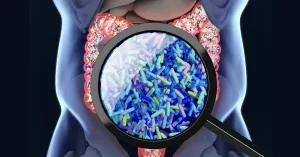
Nearly everyone has some mucus in their stool, but it’s usually present in such minimal amounts that it goes unnoticed.
Visible mucus may indicate a minor issue like temporary dehydration or constipation, or it could reflect a chronic gastrointestinal condition. In rarer cases, as shown in certain Colon cancer pictures of mucus in stool, mucus may accompany more serious disease.
The significance depends on associated symptoms, the duration of changes, and the quantity of mucus present. When in doubt, consulting your doctor is the safest approach to rule out underlying problems.
Your physician will review your medical and dietary history, conduct a physical examination, and may order diagnostic tests—such as blood work or stool analysis—if an underlying disorder is suspected.



















Leave a Reply
You must be logged in to post a comment.