
Overview
In modern dentistry, a dental crown is a custom-made cap that is placed over a tooth that has been compromised due to:
- fracture or breakage
- tooth decay
- a root canal
- a large filling

Dentists may also recommend a crown to enhance the look of a tooth with a stained filling or to stabilize a dental bridge or denture.
Depending on the condition of the tooth and the intended purpose, crowns can cover the entire visible portion of the tooth down to the gum line or only a section of it.
As you explore restorative options, it’s helpful to compare them with cosmetic alternatives like Veneers cost per tooth in california, especially if you’re weighing aesthetic improvements against structural repairs. Many patients researching Veneers cost per tooth in california without insurance are also evaluating crowns for damaged teeth. Continue reading to understand the various types of crowns, including gold and gold alloy options.
Gold vs. porcelain
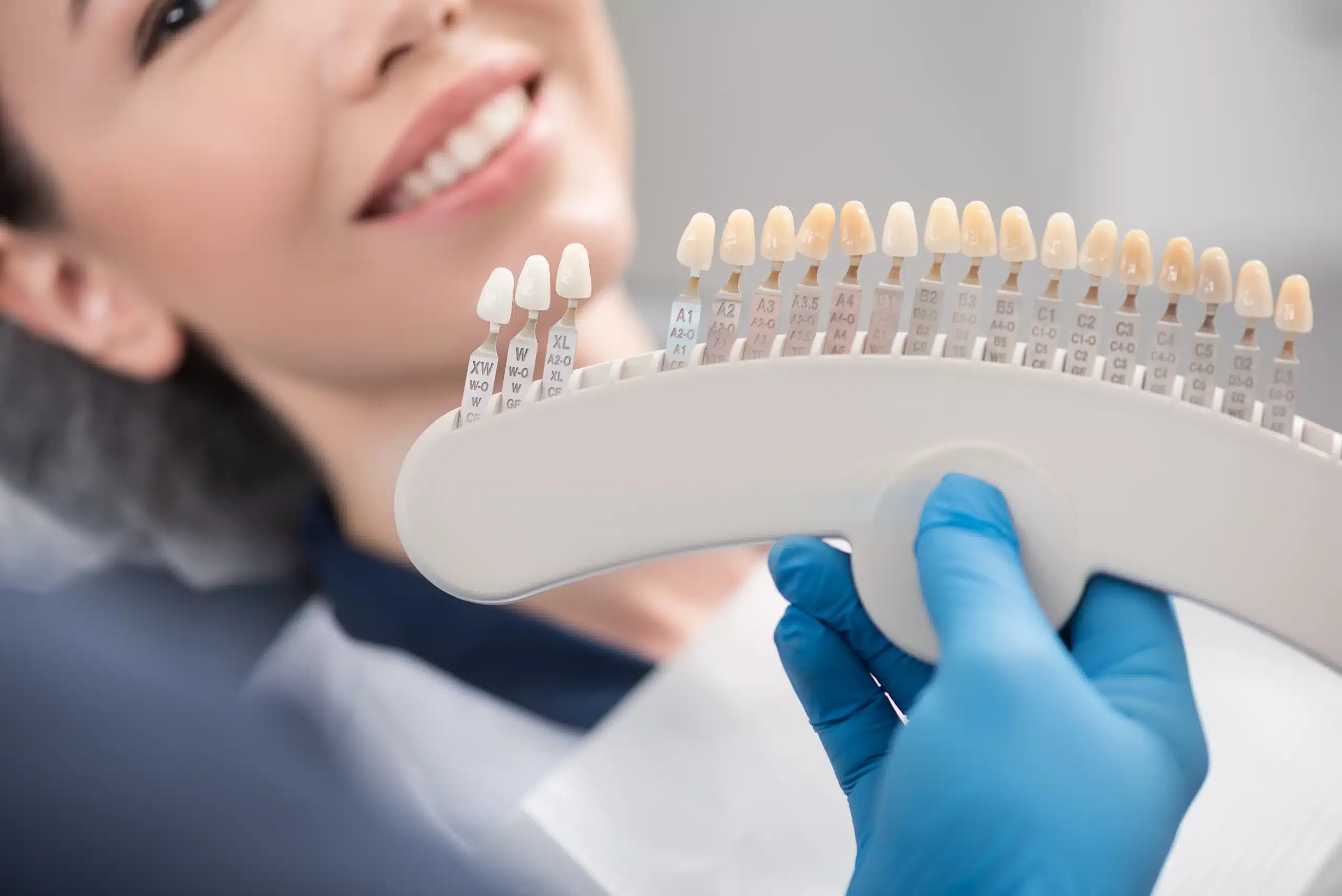
There are multiple crown materials available today, each offering distinct advantages and disadvantages. Below is a closer look at how they compare:
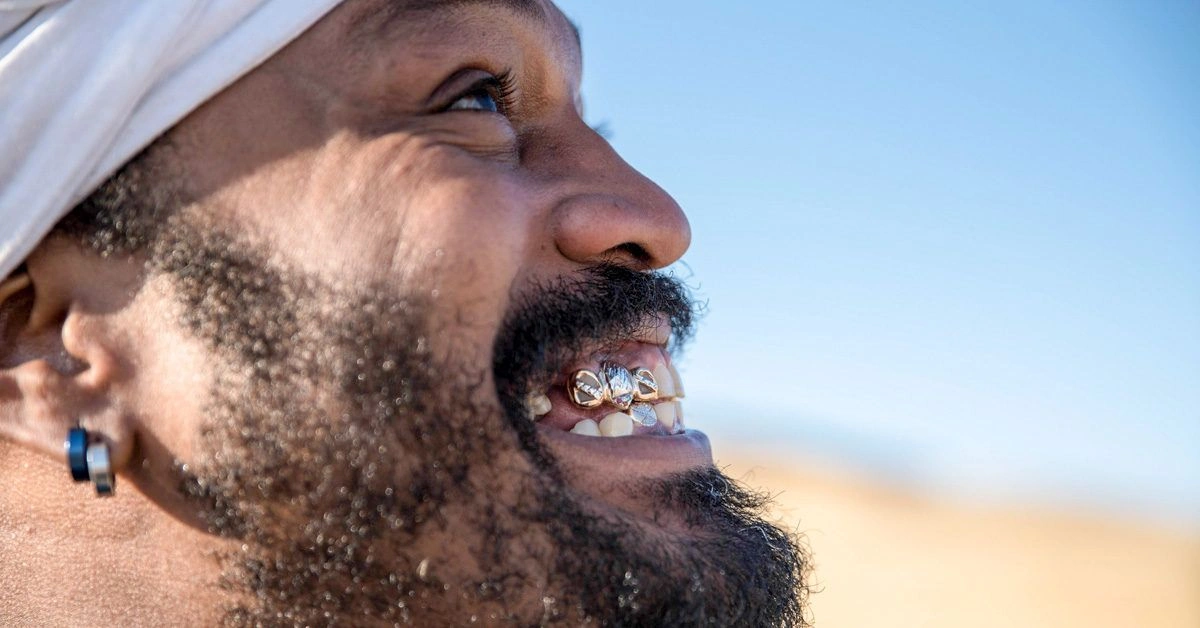
Gold and gold alloy
Gold has been utilized in dentistry for tooth restoration for over 4,000 years. Today, dentists typically blend gold with other metals such as palladium, nickel, or chromium. This combination enhances the crown’s durability while helping to lower overall cost.
Gold and gold alloy crowns may appear gold or silver in tone. These crowns are highly resistant to chipping or cracking. They cause minimal wear to opposing teeth and require less removal of natural tooth structure during placement. Known for their exceptional longevity, gold crowns can remain intact for decades with proper care.
However, due to their metallic appearance, gold alloy crowns are the least tooth-like in appearance. For that reason, many individuals opt to place them on molars that are less visible when smiling or speaking.
Porcelain
Porcelain crowns are a widely chosen all-ceramic option. They provide the most natural appearance, closely resembling real tooth enamel, though they may not be as strong as some alternative materials.
Because of their lifelike color and translucency, porcelain crowns are commonly used on front teeth, where aesthetics are especially important.
Porcelain bonded to precious metal
These crowns feature porcelain fused to a base made from precious metal, such as gold. This design offers a balance of strength and aesthetics. However, in some cases, the metal underneath the porcelain may become visible as a dark line near the gum line.
While relatively durable, these crowns can develop weak areas that may chip or fracture. They can also contribute to wear on opposing teeth. Many patients select this type for both anterior and posterior teeth because of its blend of resilience and natural appearance.
All ceramic
An all-ceramic crown is frequently crafted from zirconium dioxide, a material known for its strength and durability. It typically blends seamlessly with surrounding teeth in both color and texture.
This option is especially suitable for individuals with metal allergies, as it eliminates the risk of metal-related reactions.
That said, all-ceramic crowns may not be as strong as porcelain bonded to precious metal crowns. They can also cause more wear to opposing teeth compared to metal or resin crowns.
Pressed ceramic
A pressed ceramic crown features a porcelain exterior layered over a core made of another ceramic material, often zirconium dioxide. This structure enhances strength compared to a standard all-ceramic crown while preserving the natural appearance of porcelain.
Because of this reinforced design, pressed ceramic crowns often outlast crowns made entirely of porcelain or ceramic alone.
All resin
All-resin crowns consist of a blend of nontoxic, tooth-colored plastic and glass beads.
They are typically the most affordable crown option. However, they tend to wear down more quickly and are more prone to fractures compared to porcelain bonded to precious metal crowns.
For this reason, dentists often use all-resin crowns as temporary restorations rather than permanent solutions.
Side effects of gold crowns
Although uncommon, side effects from a gold alloy crown can occur in some individuals. Potential reactions may include:
- redness
- swelling
- lip and mouth pain
- gum swelling and irritation
- lesions in the mouth (oral lichenoid reaction)
- allergic reactions, particularly common with gold-nickel alloys
Some studies suggest that the use of gold alloys in dentistry has been linked to the risk of certain health conditions, including oral cancer. However, the association appears weak and is not clearly understood at this time.
Experts generally recommend selecting metal alloys that are highly resistant to corrosion. Gold is considered one of the most corrosion-resistant materials used in dental restorations. Maintaining excellent oral hygiene and attending regular dental checkups can further minimize potential complications.
Gold crown tooth cost
Without dental insurance, a single gold crown may cost as much as $2,500, while crowns in general typically range between $800 and $1,500 per tooth. If you have insurance, approximately 50 percent of the total procedure cost may be covered.
Certain dental insurance plans partially or fully cover crowns, though coverage may be restricted if the procedure is deemed cosmetic rather than medically necessary. For individuals comparing restorative and cosmetic procedures, understanding Veneers cost per tooth in california without insurance can provide helpful financial context. In more extensive smile makeovers, patients may also review Full mouth veneers cost per tooth in california to evaluate long-term investment options.
If a crown is required to protect oral health — such as after a root canal or to restore a severely decayed or filled tooth — insurance is more likely to cover the procedure.
The final cost of a crown depends on several factors, including your insurance plan, the crown material selected, your overall dental health, and your geographic location. The complete treatment process generally includes:
- dental X-rays
- a comprehensive oral examination
- fabrication of the crown
- placement and bonding of the crown
- at least one follow-up appointment
When budgeting for dental care, it’s important to discuss all available treatment alternatives with your dentist, including cosmetic procedures like veneers versus restorative solutions like crowns, so you can make an informed decision based on both health needs and financial considerations.
Gold crown tooth pictures
Takeaway
When restoring a damaged tooth, there are numerous crown materials to choose from. Gold and gold alloy crowns are valued for their strength, longevity, and reliable performance over time.
Nevertheless, advancements in dental materials now allow for highly natural-looking alternatives that may better suit visible teeth. The best choice depends on your clinical needs, aesthetic preferences, and budget. Consulting with your dentist will help determine the most appropriate crown type for your individual situation while balancing durability, appearance, and cost.





















Leave a Reply
You must be logged in to post a comment.