

Adenomyosis can produce back pain, particularly in the lower back. The discomfort often intensifies right before or during menstruation.
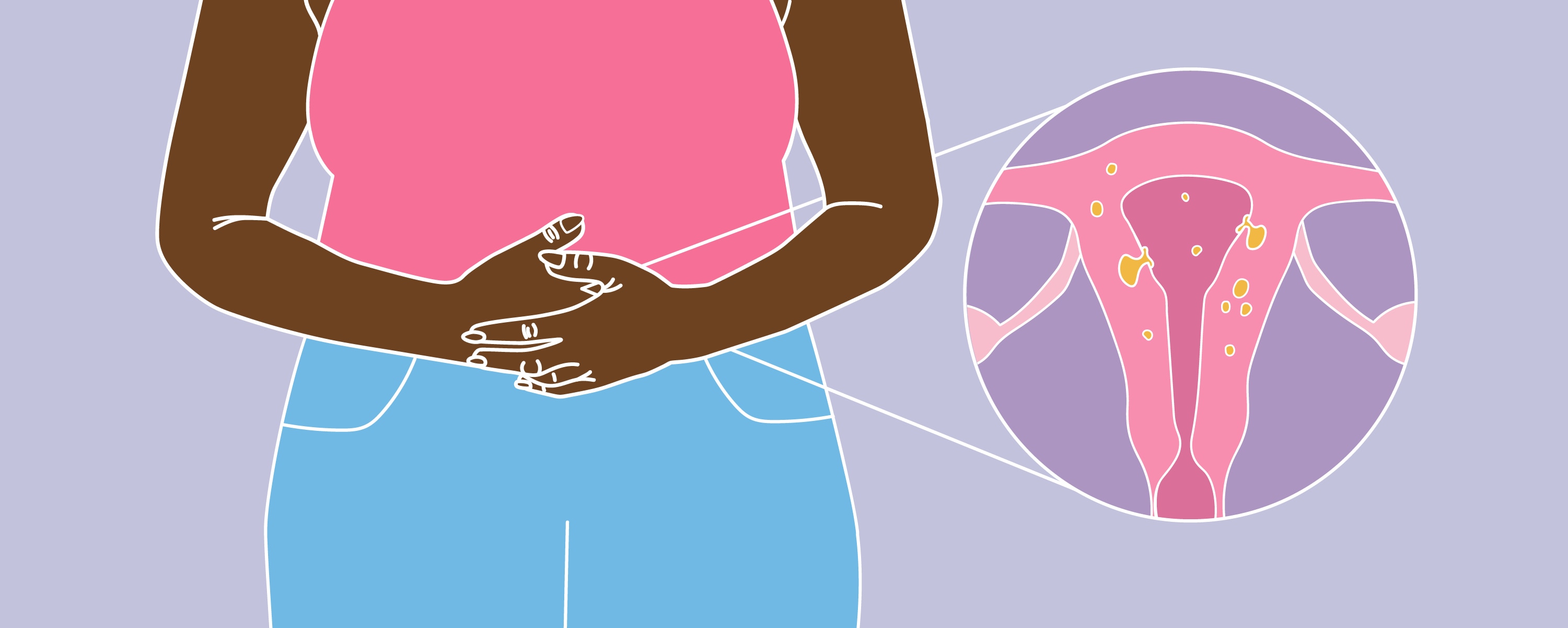
Adenomyosis happens when the endometrial tissue that normally lines the uterus grows into the muscular layer of the uterine wall.
This condition can bring about severe uterine pain, especially during vaginal penetration. Adenomyosis is commonly linked with prolonged, painful, and heavy menstrual bleeding. It may also lead to back pain, most often affecting the lower back.
Recent findings indicate that 20–35% of people with uteri have adenomyosis, although the true prevalence is uncertain due to underreporting and underdiagnosis.
How does adenomyosis cause back pain?
Adenomyosis can produce referred back pain. Referred pain occurs when discomfort perceived in one area of the body actually originates from another region, because the nervous system’s pathways are interconnected.
When a painful stimulus occurs, the nervous system transmits signals to the brain, which interprets them as pain. Sometimes the brain localizes that pain to a different body part than the actual source.
In adenomyosis, pain originating in the uterus can be felt in the back. People with the condition may experience severe menstrual cramping, persistent pelvic pain, and pain during penetrative intercourse.
A 2011 case report described a woman who had intermittent referred lower back pain for four years that often worsened around her period.
Pelvic pain — a frequent symptom of adenomyosis — can radiate across the pelvis to the rear of the body, affecting the lower back.
Although the relationship between adenomyosis and back pain hasn’t been exhaustively researched, multiple studies — including this 2021 paper and this 2023 study — report that back pain is a common complaint among people with the disorder.
How does adenomyosis-related back pain feel?
Most literature highlights lower back pain as a symptom associated with adenomyosis.
Some people with adenomyosis anecdotally report discomfort in the mid or upper back, though those sensations may stem from another cause.
In the 2011 case report, the woman’s lower back pain intensified around menstruation, suggesting menstrual cramps may contribute to back discomfort.
Many individuals with adenomyosis suffer from chronic pelvic pain, which can translate into ongoing back pain.
Dyspareunia — pain during penetrative vaginal intercourse — is another common symptom. This pain can be localized to the vagina or span the entire pelvic area, and it may cause referred pain to the back during sexual activity.
How can you ease adenomyosis-related back pain?
Treating adenomyosis can reduce cramps and pelvic pain, which may in turn ease back pain.

If a healthcare provider prescribes medications for your adenomyosis-related pain, following that regimen may lessen cramping and associated back discomfort.
Home remedies may also offer symptom relief.
Options to try include:
- over-the-counter anti-inflammatory drugs
- a warm bath or shower
- a heating pad or hot water bottle
- cold packs
- topical creams or ointments with analgesic ingredients
- CBD formulations, both oral and topical
- gentle stretching and yoga
- self-massage
The 2011 case report mentioned that the woman experienced some improvement in lower back pain after a chiropractic manipulation.
The takeaway
Adenomyosis can result in back pain, especially in the lower back. However, other ailments — such as kidney infections, arthritis, or muscle strains — can also cause back pain.
Seek urgent medical attention if back pain in your lower or middle back is accompanied by signs of a urinary tract infection, fever, or loss of bowel or bladder control.
Consider consulting a healthcare professional if back pain interferes with daily activities. They may recommend physical therapy or refer you to a specialist.
If your adenomyosis symptoms worsen or fail to improve with treatment, schedule a follow-up appointment to reassess and adjust your care plan.






















Leave a Reply
You must be logged in to post a comment.