
A colostomy is a frequently performed surgical procedure that healthcare professionals recommend when you’re unable to pass stool due to conditions such as cancer, Crohn’s disease, or diverticulitis (1).
The procedure involves bringing one end of the large intestine through a stoma, which is an opening created in the abdominal wall (2).
A pouch is typically secured to the outside of the body to collect and dispose of fecal matter from the digestive tract.
Following a colostomy, short-term dietary adjustments are often necessary, particularly during the initial weeks after surgery while your body heals.
This article provides an in-depth overview of the colostomy diet, explaining what it involves, how to follow it correctly, and which foods are best to include or temporarily avoid to support digestive health and recovery.

What is a colostomy diet?
A colostomy diet is a temporary eating plan designed for the days and weeks immediately after colostomy surgery.
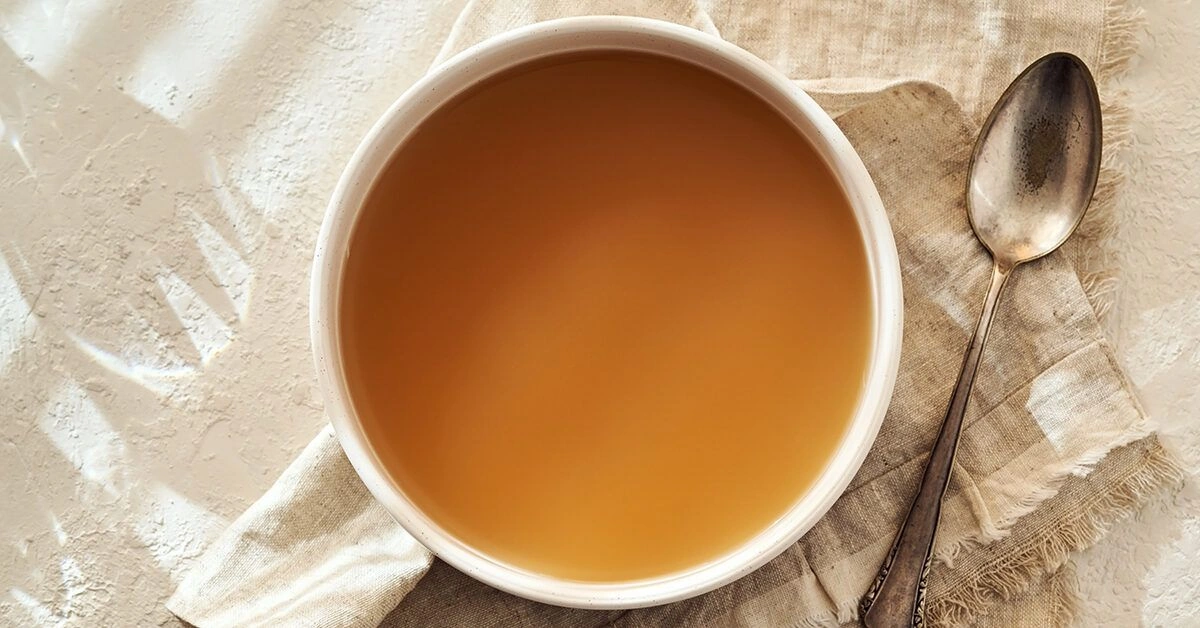
Right after the procedure, your doctor may recommend a clear liquid diet for a few days. This generally includes broth, water, and plain gelatin (3).
As your digestive system begins to recover, you’ll usually transition to a low residue, high protein diet, which is commonly advised during the first several weeks post-surgery (4).
A low residue diet is structured to leave minimal undigested material in your intestines after nutrients are absorbed.
This approach focuses on bland, easily digestible foods to reduce the risk of gastrointestinal symptoms such as cramping, bloating, or irregular bowel movements.
It also typically involves restricting high fiber foods, since fiber can increase stool bulk and may temporarily raise the risk of bowel blockage (5).
Keep in mind that this eating plan is generally short term and primarily needed during the early healing phase.
Over time, and with guidance from your healthcare provider or dietitian, most people can gradually resume a more varied, balanced diet.
Summary A colostomy diet centers on bland, low fiber foods and protein-rich options. It helps minimize digestive complications and supports proper wound healing during the first few weeks after surgery.
Foods to eat
During the first few weeks following surgery, your healthcare provider will likely recommend foods that are easy to digest and naturally low in fiber.
Examples include refined grains such as white bread or white rice, along with certain low fiber fruits and vegetables (4).

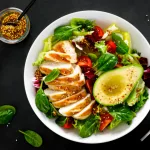
Prioritizing high protein foods is also essential. Lean meats, eggs, low fat dairy products, and smooth nut butters can help promote tissue repair and wound healing (6).
Always follow the individualized dietary plan provided by your doctor or registered dietitian, but in general, the following foods are commonly suitable after a colostomy:
- Cooked, peeled, and seedless vegetables: potatoes, zucchini, tomatoes, lettuce
- Peeled and seedless fruits: ripe bananas, honeydew, cantaloupe, seedless watermelon
- Canned fruits: apricots, peaches, pears
- Lean proteins: eggs, tofu, skinless poultry, fish
- Smooth nut butters: peanut butter, almond butter, cashew butter, walnut butter
- Refined grains: white bread, crackers, white pasta, white rice
- Low fat dairy: skim milk, nonfat yogurt, cheese
- Beverages: water, pulp-free fruit or vegetable juice, broth, sports drinks, decaf tea or coffee
Be aware that some individuals may notice digestive discomfort, such as diarrhea, after consuming dairy products — particularly those with lactose intolerance (7).
If you experience bloating, loose stools, or abdominal discomfort after eating certain foods, consider reducing or avoiding them and consult your healthcare provider for personalized advice.
Summary In the early weeks after a colostomy, focus on low fiber, easy-to-digest foods, including lean proteins, refined grains, smooth nut butters, and specific fruits and vegetables.
Foods to limit
After surgery, limiting foods that are harder to digest is important. This strategy can help lower the risk of diarrhea, constipation, or other gastrointestinal issues (4).
Items high in fat or fiber, spicy dishes, and carbonated beverages such as soda or sparkling water may contribute to discomfort.
While your primary guidance should come from your doctor or dietitian, the following foods are often restricted during the initial recovery period:
- Raw vegetables: broccoli, Brussels sprouts, cauliflower, artichokes
- Raw fruits with skin: apples, grapes, strawberries, plums, pears
- Legumes: lentils, beans, chickpeas
- Whole grains: buckwheat, barley, rye, quinoa, brown rice
- Nuts: almonds, walnuts, pistachios, cashews, macadamia nuts
- Seeds: chia seeds, flax seeds, hemp seeds
- High fat dairy: whole milk, full fat yogurt, butter, ice cream
- Spicy foods: jalapeños, curries, hot sauce, hot peppers
- Fried foods: chicken wings, bacon, fried fish, mozzarella sticks, donuts
- Carbonated beverages: soft drinks, seltzer water, club soda, sparkling water
Summary After a colostomy, it’s advisable to temporarily reduce intake of high fiber or difficult-to-digest foods, including raw produce, whole grains, legumes, spicy meals, fatty foods, and carbonated drinks.
Benefits
Adhering to a low residue diet can significantly decrease digestive discomfort after surgery, including gas, bloating, constipation, or diarrhea (8).
It may also lower the risk of complications such as stoma blockage, which can lead to abdominal cramping, nausea, vomiting, or noticeable changes in bowel output (9).
The emphasis on lean protein sources — including skinless poultry, eggs, and tofu — provides essential nutrients that support tissue repair and recovery (6).
Importantly, most dietary restrictions are temporary. As healing progresses, many individuals can gradually expand their food choices under medical supervision.
Once your doctor clears you to reintroduce a wider variety of foods, maintaining balanced eating habits can also support long-term wellness. If weight management is a concern after recovery, you may find guidance in How to keep weight off after a colonoscopy, which outlines practical lifestyle strategies applicable to digestive health overall.
Summary Following a colostomy diet helps reduce digestive complications and enhances wound healing during the recovery phase.
Side effects
Constipation is a frequently reported issue after surgery, often linked to reduced fiber intake.
Staying well hydrated and using stool softeners when recommended can help improve bowel regularity (10).
Some research suggests probiotics may offer benefits for digestive concerns such as constipation. However, consult your doctor before starting any supplements or medications (11).
Increased gas or noticeable odor from the pouch is another concern some individuals experience after a colostomy.
Reducing intake of difficult-to-digest foods like cruciferous vegetables and beans may help control odors. Avoiding foods with strong natural scents — including fish, garlic, and eggs — may also be useful (12).
Additional contributors to gas include eating too quickly, drinking through a straw, and chewing gum (13).
If symptoms continue, speak with your healthcare provider about appropriate over-the-counter options that may provide relief.
Deodorant tablets specifically designed for colostomy bags are also available and may help reduce odor.
Summary Constipation and gas are common after a colostomy. Hydration, selective dietary changes, and certain medications may help manage these effects.
Other tips
Beyond limiting hard-to-digest foods and increasing lean protein intake, several additional strategies can help ease recovery after colostomy surgery.
Consider the following recommendations (4):
- Eat slowly and chew food thoroughly to support digestion.
- Opt for smaller, more frequent meals instead of three large meals daily.
- Drink adequate fluids — typically six to eight 8-ounce (237-mL) glasses of water per day, unless otherwise directed.
- Reintroduce foods gradually, adding one new item at a time once approved by your doctor.
Taking these steps can minimize digestive discomfort and make the transition back to your usual diet smoother and safer.
If your surgery involved additional procedures, you may benefit from reviewing guidance on What to eat after colonoscopy with polyp removal, which offers further insights into gentle dietary progression.
Summary Staying hydrated, chewing food well, and choosing smaller, more frequent meals can support digestion and recovery after a colostomy.
The bottom line
Although a colostomy does not change your body’s fundamental ability to digest food, temporarily limiting certain foods after surgery can assist the healing process.
Prioritizing protein-rich foods such as skinless poultry, eggs, and tofu supports wound repair and overall recovery.
By following medical guidance and gradually reintroducing foods, you can reduce digestive complications and confidently return to a more varied diet over time.
Just one thing
Try this today: Keep in mind that post-colostomy nutrition is highly individualized. Some people tolerate specific foods better than others. Work closely with your doctor or dietitian to determine the dietary approach that best supports your healing and long-term digestive health.















Leave a Reply
You must be logged in to post a comment.