

Recurrent C. diff infection refers to developing another C. diff infection 2 to 8 weeks after finishing treatment for a previous episode. A relapse occurs when the same strain causes the infection again, while reinfection means a different strain is responsible for the new illness.
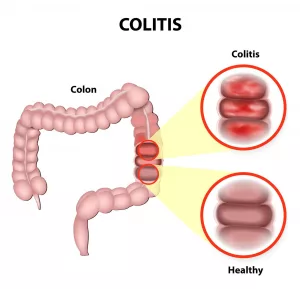
Clostridioides difficile (C. diff) is a bacterium that can trigger severe diarrhea and inflammation of the colon, a condition known as colitis. It is frequently linked to recent or current antibiotic use.
If you’re wondering, Once you have C diff do you always have it, the answer is not always straightforward. According to the Centers for Disease Control and Prevention (CDC), 1 in 6 people develop a repeat infection within 2 to 8 weeks of their first episode. Understanding the difference between relapse and reinfection can help clarify why symptoms may return.
There are two types of recurring C. diff infections:
- Relapse: The original infection comes back because the same C. diff strain remains in the body.
- Reinfection: A new infection develops from exposure to a different C. diff strain.
After a first recurrence clears, the likelihood of experiencing another episode rises.
Approximately 4 in 10 people will have a second recurrence after recovering from their first. Among individuals with more than two recurrences, the rate increases to 45% to 65%.
Continue reading to explore why recurrence happens, common symptoms, key risk factors, and practical steps you can take to lower your chances of dealing with C. diff again.

Why does C. diff recurrence happen?
C. diff infections most commonly develop during or shortly after antibiotic therapy. Antibiotics eliminate harmful bacteria, but they also disrupt beneficial gut bacteria that normally help protect against infection.
Without enough protective bacteria and antibodies, your body becomes more vulnerable if exposed to C. diff spores. This imbalance in the gut microbiome creates an environment where C. diff can multiply more easily.
The impact of antibiotics on your gut flora can persist for several months. This lingering disruption may explain why many individuals experience recurrence within 8 weeks of their initial illness.
However, experts still do not fully understand all the mechanisms behind recurrence. Research suggests that your risk may increase if you have:
- residual spores that survive the initial treatment (relapse)
- a weakened immune response
- significant alterations in the gut microbiome due to antibiotics
For those concerned about symptom changes, recognizing stool patterns can also be helpful. You can learn more about this in What does C diff poop look like, which explains common visual signs associated with infection.
What are the risk factors for C. diff recurrence?
Several factors can raise the likelihood of a recurrent C. diff infection. Some are unavoidable, while others can be addressed to help minimize your risk.
Older age
Being older than 65 years old is one of the most frequently identified risk factors for recurrent C. diff.
According to the CDC, 1 in 11 people over age 65 years diagnosed with C. diff die within 1 month.
Researchers believe recurrence may be more common in older adults due to age-related immune decline and a higher prevalence of chronic medical conditions.
Antibiotic use
The most significant modifiable risk factor for recurrence is antibiotic use. Because this factor can be adjusted, it offers an opportunity for prevention.
You are 7 to 10 times more likely to develop C. diff while taking antibiotics and during the month after finishing them.
Antibiotics alter the intestinal microbiome and shift bile acid composition in the colon, creating conditions that allow C. diff to thrive. Studies confirm that prior antibiotic exposure significantly increases the risk of recurrent infection.
Hypervirulent strains
Since 2003, C. diff infections have become more frequent, more severe, and more resistant to treatment. One reason is the emergence of a highly virulent strain known as NAP1/BI/027.
This strain produces higher levels of toxins and a toxin that enhances bacterial growth and persistence in the gut.
It is also highly resistant to fluoroquinolones, a class of antibiotics. Individuals infected with this strain have shown higher recurrence rates.
Gastric acid suppression
Medications that reduce stomach acid are often prescribed for ulcers and other acid-related conditions. However, decreased stomach acidity may raise the risk of C. diff infection.
A 2017 review found that recurrent C. diff occurred more frequently in people who used gastric acid suppressants compared with those who did not.
Other risk factors
Additional factors that may elevate your risk of recurrence include:
- extended hospitalization
- severe underlying illness
- impaired kidney function
- recent residence in a nursing home
- a weakened immune system (due to HIV, cancer, or immunosuppressive medications)
How do you know if C. diff is coming back?
Symptoms of recurrent C. diff are generally similar to those experienced during the first episode, including:
- diarrhea
- abdominal pain or tenderness
- nausea
- loss of appetite
- fever
If you are unsure whether your symptoms signal recurrence, understanding How long does C diff last can provide helpful context about expected recovery timelines and when symptoms may indicate a relapse.
How is recurring C. diff treated?
Management of recurrent C. diff typically involves a combination of antibiotics along with a one-time intravenous infusion of bezlotuxumab to reduce the risk of further recurrence.
Antibiotic options may include:
- vancomycin for 6 to 8 weeks
- fidaxomicin for 10 days
The American College of Gastroenterology identifies fecal microbiota transplant (FMT) as one of the most effective therapies for recurrent C. diff.
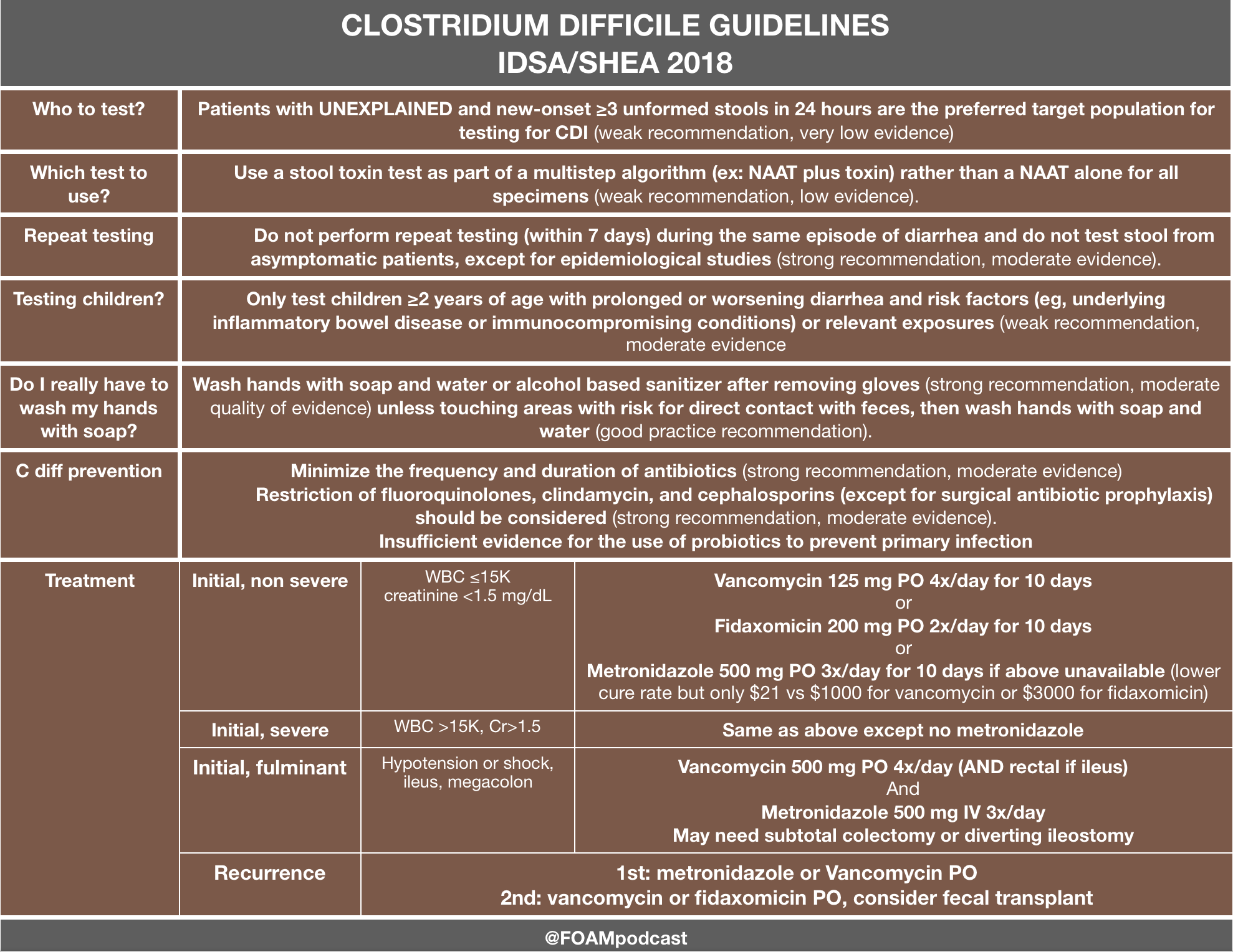
During FMT, stool from a screened healthy donor is introduced into the colon of the person experiencing recurrence, usually during a colonoscopy. This procedure helps restore a healthy gut microbiome.
FMT has been shown to be effective in 9 in 10 people who undergo it.
Less invasive FMT options are now available. The Food and Drug Administration (FDA) has approved two forms:
How to reduce the risk of C. diff recurrence
According to the CDC, avoiding unnecessary antibiotics is the most effective way to prevent recurrence.
Always inform healthcare providers and dentists if you have previously had C. diff. This information can guide safer prescribing decisions and reduce avoidable antibiotic exposure.
C. diff spreads through contact with contaminated surfaces or hands. To help reduce transmission, wash your hands thoroughly with soap and water after using the bathroom and before eating. Alcohol-based sanitizers are less effective against C. diff spores, making proper handwashing essential.

When to see a doctor
The United Kingdom’s National Health Service advises seeking medical care if you are taking, or have recently taken, antibiotics and develop diarrhea that:
- is frequent
- contains blood
- does not improve after 1 week
The bottom line
So, Once you have C diff do you always have it? Not necessarily. However, recurrence is common, and the risk increases after each episode.
Factors such as older age, antibiotic exposure, gastric acid suppression, and a compromised immune system can raise the likelihood of another infection.
Limiting unnecessary antibiotic use, maintaining strict hand hygiene, and working closely with your healthcare provider can significantly reduce the chances of C. diff returning.




















Leave a Reply
You must be logged in to post a comment.