
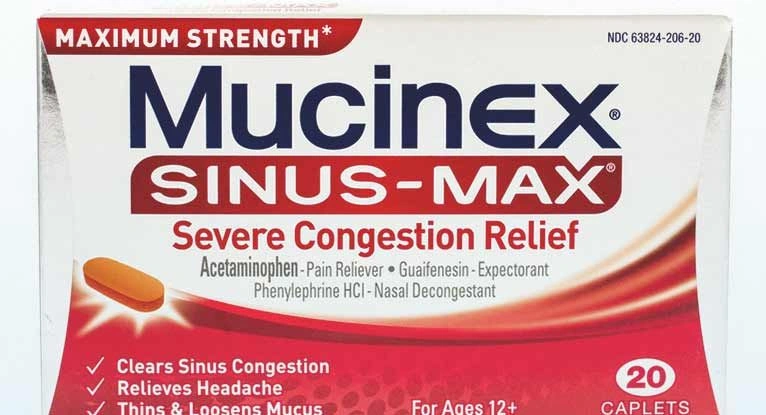
Many people wonder, Does Mucinex have acetaminophen or ibuprofen in it? Standard forms of Mucinex do not contain acetaminophen or ibuprofen. Instead, they include ingredients such as guaifenesin, dextromethorphan, and pseudoephedrine, depending on the specific product. If you’re pregnant or breastfeeding, understanding exactly what is in your cold medicine is especially important.

Taking Mucinex during the first trimester of pregnancy may not be considered safe. Later in pregnancy or while breastfeeding, it might be appropriate in certain cases, but you should always consult your doctor before using it. If you’re expecting or nursing, the last thing you want to deal with is a cold or the flu. Still, respiratory infections happen, and knowing which medications are safe can help you manage symptoms without putting your pregnancy or baby at risk.
Mucinex is a widely used over-the-counter (OTC) medication for cough and chest congestion. The primary versions include Mucinex, Mucinex D, Mucinex DM, and their maximum-strength counterparts. These products are formulated to ease cold and flu symptoms such as productive cough and nasal congestion. Below, we break down what you need to know about Mucinex safety during pregnancy and breastfeeding, along with clarification about its ingredients.
Is Mucinex safe to use during pregnancy?
The active ingredients found in Mucinex, Mucinex D, and Mucinex DM are guaifenesin, dextromethorphan, and pseudoephedrine. Each product contains different combinations and strengths. To determine whether Mucinex is safe in pregnancy, it’s essential to evaluate the safety profile of these individual components.
Guaifenesin
Guaifenesin is an expectorant that works by thinning and loosening mucus in the lungs. This action makes it easier to cough up phlegm, helping clear the airways and improve breathing in cases of chest congestion.
According to a source in American Academy of Family Physicians, there is not enough evidence to confirm whether guaifenesin is safe during pregnancy. Because of this uncertainty, healthcare providers generally recommend avoiding guaifenesin during the first trimester, when fetal development is most sensitive to medication exposure.
Dextromethorphan
Dextromethorphan is a cough suppressant that acts on the brain’s cough center to reduce the urge to cough. By dampening the cough reflex, it can provide relief from persistent, dry coughing.
Based on the same source in American Academy of Family Physicians, dextromethorphan appears to be relatively safe for use during pregnancy. Even so, it should only be used if clearly necessary and after discussing potential risks and benefits with your doctor.
Pseudoephedrine
Pseudoephedrine is a decongestant that narrows blood vessels in the nasal passages, reducing swelling and relieving nasal stuffiness. It is commonly included in cold medications that target sinus pressure and congestion.
The American Academy of Family Physicians indicates that pseudoephedrine may be linked to certain birth defects if used during the first trimester. For this reason, its use is generally discouraged early in pregnancy.
Strengths
The following table outlines the amount of each active ingredient found in different Mucinex products.
| Ingredient | Guaifenesin | Dextromethorphan | Pseudoephedrine |
| Mucinex | 600 mg | —- | —- |
| Maximum Strength Mucinex | 1,200 mg | —- | —- |
| Mucinex DM | 600 mg | 30 mg | —- |
| Maximum Strength Mucinex DM | 1,200 mg | 60 mg | —- |
| Mucinex D | 600 mg | —- | 60 mg |
| Maximum Strength Mucinex D | 1,200 mg | —- | 120 mg |
In conclusion…
All six of the Mucinex products listed above contain guaifenesin. Because of the limited safety data, it’s best to avoid them during the first trimester of pregnancy. They may be considered safer in the second and third trimesters, but you should only take them after consulting your healthcare provider.
If you are specifically concerned about combination ingredients, you may also want to review Does regular Mucinex have acetaminophen and Which Mucinex does not have acetaminophen to better understand label differences before choosing a product.
Is Mucinex safe to use while breastfeeding?
When evaluating whether Mucinex, Mucinex D, or Mucinex DM are appropriate during breastfeeding, it’s again necessary to examine each active ingredient individually.
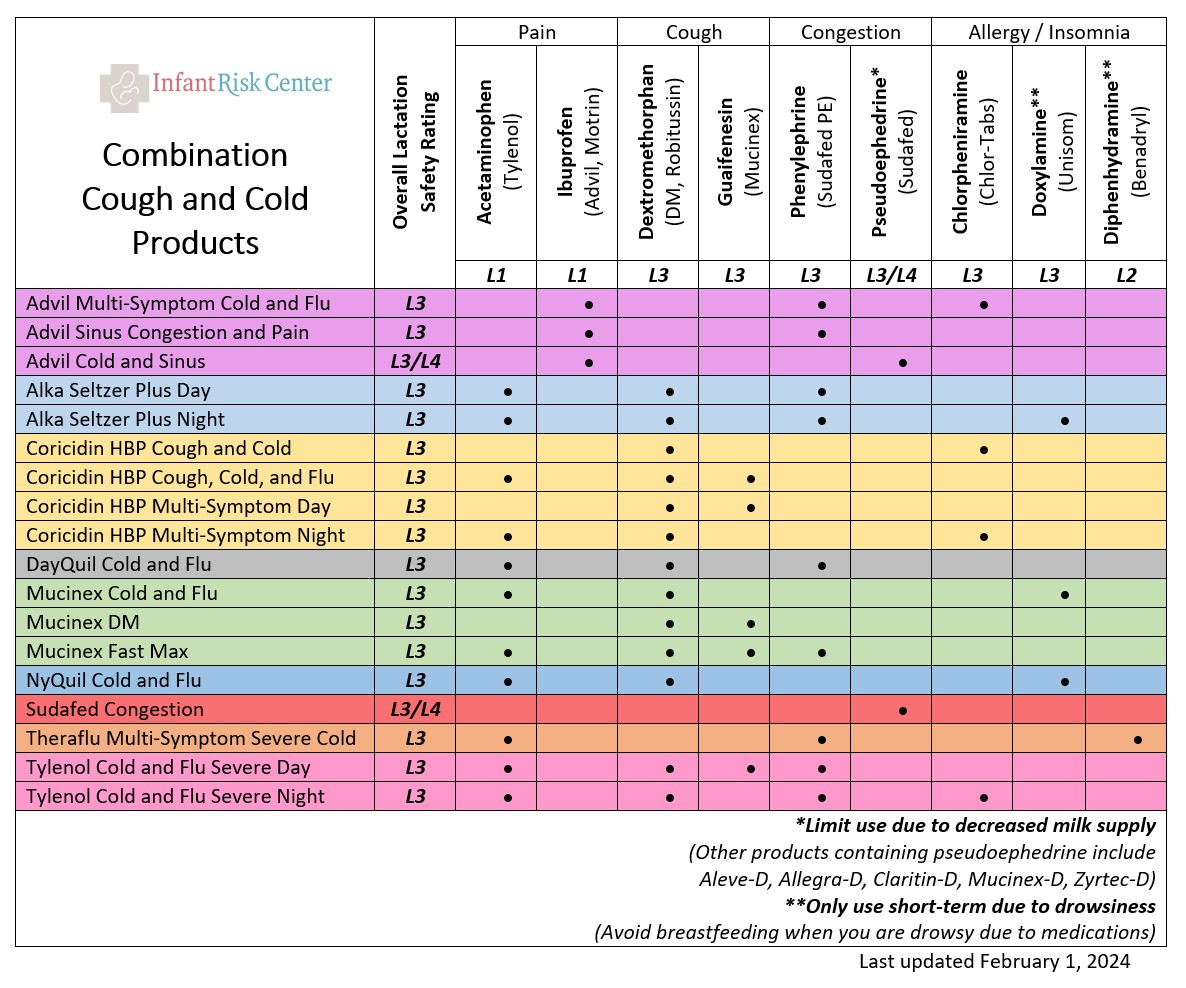
Guaifenesin
There are no well-controlled studies assessing guaifenesin use in breastfeeding mothers. Some sources suggest it is probably safe, while others recommend avoiding it until more definitive research is available. Because evidence is limited, discussing its use with your doctor is strongly advised.
Dextromethorphan
Dextromethorphan has not been extensively studied in breastfeeding women. However, available information suggests that only minimal amounts pass into breast milk when taken at recommended doses. It is generally considered safe to use during breastfeeding, particularly for infants older than two months.
Pseudoephedrine
Pseudoephedrine has been studied more thoroughly in nursing mothers compared with the other two ingredients. It is typically regarded as compatible with breastfeeding. That said, small studies indicate it may decrease milk production. Additionally, it may cause breastfed infants to be more irritable than usual.
In conclusion…
For most women, these Mucinex products are likely compatible with breastfeeding. Even so, it’s always safest to speak with your healthcare provider before taking any OTC cold medicine while nursing.
Alternatives
If you prefer to avoid medications during pregnancy or breastfeeding, several non-drug approaches may help relieve cold and flu symptoms naturally.
For congestion
Try these:
- Increase your fluid intake with water or fruit juices to help thin mucus and make it easier to clear. If you have a condition such as diabetes or heart failure that requires fluid or sugar restriction, consult your doctor first.
- Take a warm shower. Steam can help open nasal passages and temporarily ease breathing difficulties.
- Sleep with your head elevated on an extra pillow to promote sinus drainage and reduce nighttime congestion.
For sore throat
Try these:
- Gargle with warm salt water to soothe throat irritation.
- Suck on a throat lozenge or a piece of hard candy to stimulate saliva and ease dryness.
- Consume ice chips to numb discomfort.
- Drink warm tea to provide comfort and hydration.
Talk with your doctor
Mucinex may be appropriate during breastfeeding and in the second and third trimesters of pregnancy, depending on your individual health profile. Before starting any medication while pregnant or nursing, consult your doctor. Bringing this article to your appointment may help guide your discussion.
- Is Mucinex, Mucinex D, or Mucinex DM appropriate for my situation?
- Which specific product best addresses my symptoms?
- Am I currently taking other medications that contain guaifenesin, dextromethorphan, or pseudoephedrine?
- Are there effective non-drug remedies I should try first?
- Do I have any medical conditions that could be affected by these ingredients?
Your healthcare provider can help you manage cold or flu symptoms while protecting both your pregnancy and your baby’s well-being.
Note: There are many other forms of Mucinex not discussed here, including Maximum Strength Mucinex Fast-Max Severe Cold. Some of these products may contain additional medications such as acetaminophen and phenylephrine. This article focuses only on Mucinex, Mucinex D, and Mucinex DM. For guidance about other formulations, consult your doctor or pharmacist.

Q:
Do Mucinex, Mucinex D, or Mucinex DM contain alcohol?
Anonymous patient
A:
No, they do not contain alcohol. Alcohol is typically found in certain liquid cold and cough preparations. The Mucinex products discussed here are tablet forms. During pregnancy or breastfeeding, you should avoid medications that contain alcohol. If you are uncertain whether a product includes alcohol, ask your doctor or pharmacist for clarification.






















Leave a Reply
You must be logged in to post a comment.