
Key takeaways
- Eliquis isn’t known to cause any distinct side effects specifically in elderly adults (ages 65 years and older). However, children who took Eliquis in studies reported higher rates of headache and vomiting compared with other age groups.
- Eliquis 5 mg side effects and other dose-related reactions are generally more likely at higher dosages. For instance, someone taking 2.5 or 5 mg twice a day may face a lower risk of side effects than a person taking 10 mg twice daily.
- Most side effects of Eliquis are similar in males and females. However, females who menstruate may experience heavy menstrual bleeding while taking this medication.
Continue reading for a detailed overview of the common, mild, and serious side effects (also referred to as adverse effects) that Eliquis may cause. This guide is designed to help you better understand potential reactions and know when to seek medical advice.
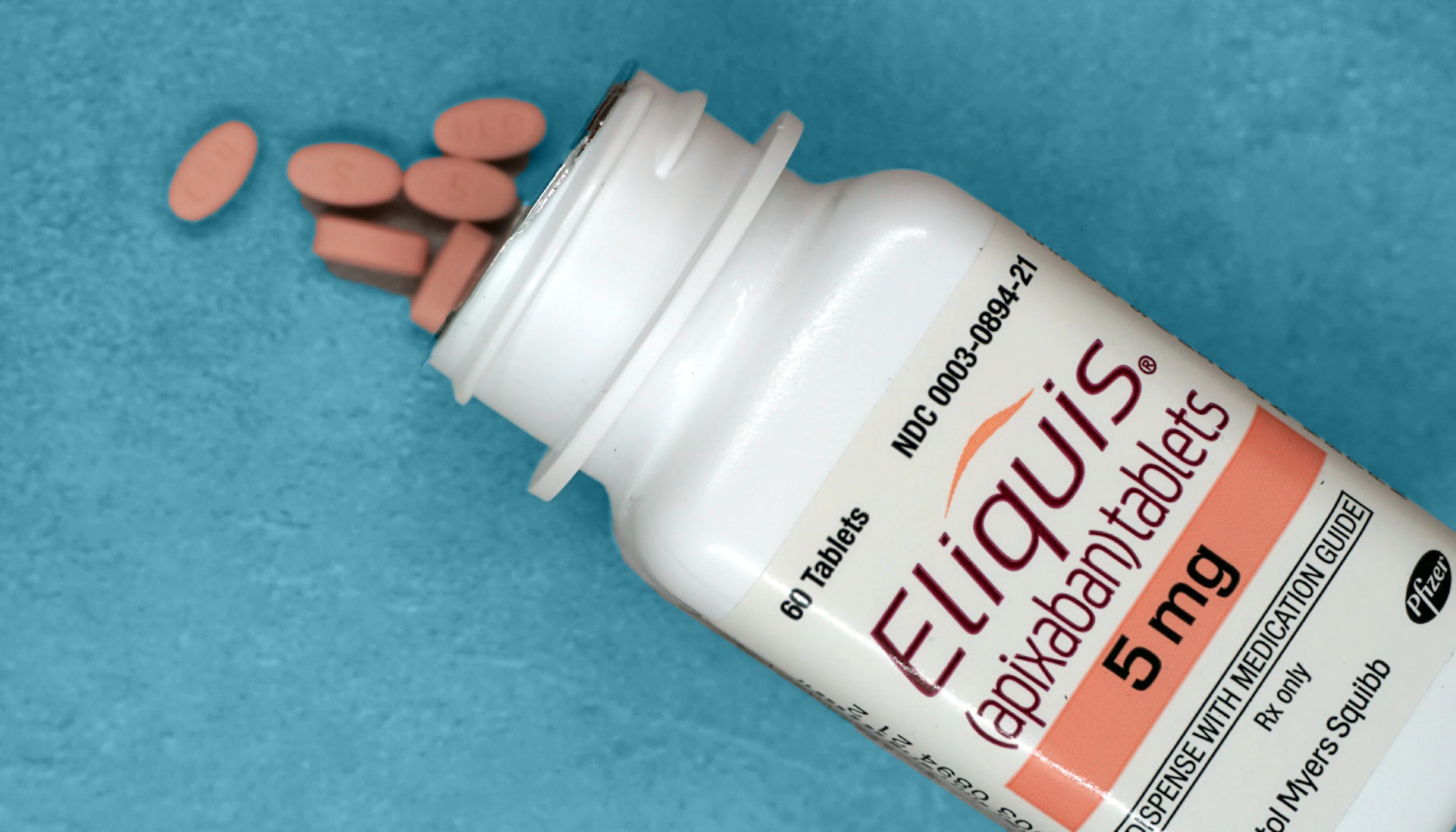
What are the more common side effects of Eliquis?
During treatment, some individuals may develop mild to serious reactions. When reviewing Eliquis 5 mg side effects, the most frequently reported issues include:
- nausea
- bleeding
- anemia (low red blood cell count)
- bruising
Because Eliquis (apixaban) is a blood thinner, bleeding-related symptoms are among the most commonly observed effects. The likelihood and severity can vary based on dosage, underlying health conditions, and other medications you may be taking.
What are the mild side effects of Eliquis?
Mild reactions reported with Eliquis include:
- nausea
- bleeding
- anemia
- thrombocytopenia (low platelet count, which makes it harder for blood to clot)
- nosebleeds
- bruising
In many situations, these symptoms are temporary and manageable. Simple measures, such as avoiding activities that increase injury risk, may help reduce bruising or minor bleeding. However, if any side effect persists or becomes bothersome, consult your doctor or pharmacist promptly. Do not discontinue Eliquis unless your healthcare provider instructs you to do so.
Eliquis may also lead to other mild side effects not listed here. For complete details, review the drug’s prescribing information.

Note: After the Food and Drug Administration (FDA) approves a medication, it continues to monitor and evaluate reported side effects. Reporting your experience can help improve medication safety. If you experience a side effect while taking Eliquis and would like to inform the FDA, visit MedWatch or call 800-FDA-1088.
Optum Now is operated by RVO Health. By clicking on this link, we may receive a commission. Learn more.
What are the serious side effects of Eliquis?
Although mild symptoms are more typical, serious side effects can also occur. Significant reactions associated with Eliquis include:
- serious bleeding
- boxed warning: risk of blood clots if stopping Eliquis treatment early
- boxed warning: risk of spinal blood clots from certain spinal procedures
If you notice signs of a serious reaction while taking Eliquis, contact your doctor immediately. If symptoms appear life threatening or you suspect a medical emergency, call 911 or your local emergency number without delay.
Allergic reaction
Some individuals may develop an allergic reaction to Eliquis.
Allergic symptoms can range from mild to severe.
What might help
If you experience mild signs of an allergic reaction, such as a slight rash, reach out to your doctor promptly. They may recommend treatment to relieve your symptoms and decide whether you should continue taking Eliquis.
For severe allergic reactions, including swelling or difficulty breathing, seek emergency medical assistance right away by calling 911 or your local emergency number. These reactions can be life threatening and require urgent care.
If your doctor determines that you’ve had a serious allergic reaction to Eliquis, they may recommend switching to another therapy.
FAQ about the side effects of Eliquis
Below are responses to commonly asked questions about Eliquis 5 mg side effects and other dose-related concerns.
Do older people have a higher risk of side effects from Eliquis?
No, research does not indicate that older adults have a greater risk of side effects from Eliquis compared with younger adults.
In studies, most participants were ages 65 years and older. These studies did not demonstrate a higher rate of side effects in older individuals versus younger ones.
However, older adults are more likely to have additional medical conditions. Certain health issues can raise the risk of complications while taking Eliquis. For more details, see the “Warnings for Eliquis” section below.
If you’re concerned about your personal risk factors, discuss them with your doctor.
Am I at higher risk of side effects if I take the 5-mg strength of Eliquis?
Yes, higher strengths of Eliquis may increase the likelihood of side effects.
Eliquis is available in 2.5 milligrams (mg) and 5 mg tablets, typically taken twice daily. Depending on your prescribed regimen, your total daily dose could be as much as 20 mg. In general, higher doses are linked to a greater chance of bleeding and other adverse reactions.
If you would like more detailed information about Side effects of Eliquis 5 mg twice a day, speak with your healthcare provider. They can explain how your specific dosage relates to your condition and overall risk profile.
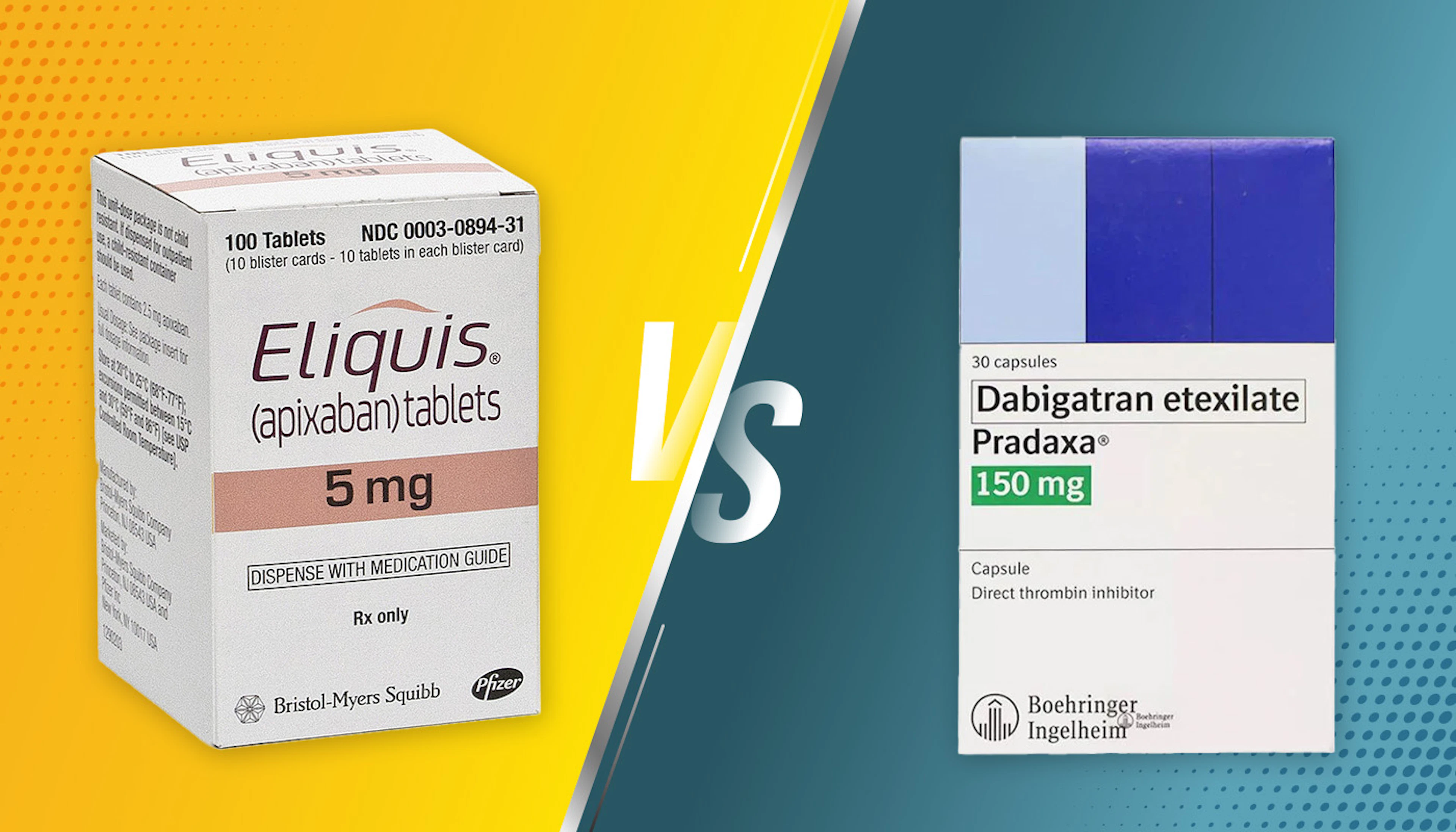
If you’re worried about potential reactions at a higher dose, consult your doctor or pharmacist. They can review your treatment plan and address any safety concerns.
Can stopping Eliquis suddenly cause side effects, such as withdrawal symptoms?
No, stopping Eliquis abruptly does not typically cause withdrawal symptoms. (Withdrawal symptoms occur when you discontinue a medication your body has become dependent on.) However, suddenly ending Eliquis therapy can raise your risk of blood clots.
Eliquis carries a boxed warning regarding the risk of blood clots if the medication is discontinued too early. Boxed warnings are the most serious alerts issued by the FDA. They highlight potentially dangerous drug effects. Additional details are provided in the “Side effects explained” section below.
Never stop taking Eliquis without first consulting your doctor. If treatment must be discontinued, your provider may recommend another anticoagulant to reduce your risk of clot formation.
Side effects explained
Below is more in-depth information about certain serious risks associated with Eliquis.
Risk of blood clots if stopping Eliquis treatment early
Eliquis includes a boxed warning about the risk of blood clots if treatment is stopped prematurely. These warnings are the strongest safety alerts required by the FDA.
Eliquis is prescribed to prevent blood clots or to treat an existing clot. Discontinuing the medication earlier than advised may significantly increase your chance of developing a clot, which can lead to serious complications such as stroke.
What might help
Do not discontinue Eliquis unless your doctor instructs you to do so. If it becomes necessary to stop treatment, your healthcare provider may prescribe a different blood thinner to maintain protection against clots.
For personalized guidance, consult your doctor or pharmacist.
Risk of spinal blood clots from certain spinal procedures
Eliquis also carries a boxed warning about the risk of spinal blood clots associated with certain spinal procedures. These warnings emphasize potentially serious complications.
Undergoing spinal procedures while taking Eliquis may increase the risk of clots forming in the spine. Symptoms of spinal blood clots include:
- numbness or weakness in your legs
- tingling
- bladder or bowel problems
What might help
Before any spinal procedure, inform your doctor that you are taking Eliquis. Your provider may plan the timing of the procedure to ensure the lowest possible level of Eliquis in your system, helping to reduce clot risk.
After the procedure, your doctor will monitor you for warning signs. Seek immediate medical care if you notice any of the symptoms listed above.
If you have concerns about spinal clot risks, speak with your healthcare provider.
Warnings for Eliquis
Before starting Eliquis, review your complete medical history with your doctor. This medication may not be appropriate for individuals with certain conditions. Tell your doctor if any of the following apply:
- artificial heart valve
- upcoming surgical or dental procedures
- bleeding disorder or factors that may affect blood clotting
- previous allergic reaction to Eliquis or any of its ingredients
- triple positive antiphospholipid syndrome (APS)
- kidney problems
- liver problems
- active bleeding
- pregnancy or breastfeeding
Alcohol and Eliquis
No direct interactions between Eliquis and alcohol are known.
However, alcohol can elevate your risk of bleeding. Since bleeding is also a primary concern with Eliquis 5 mg side effects and other doses, combining alcohol with this medication may further increase that risk.
If you consume alcohol, ask your doctor how much, if any, is considered safe while you’re taking Eliquis.
What to ask your doctor
Side effects are possible during Eliquis treatment, though many are mild. Still, serious complications can occur. Before beginning therapy, discuss potential risks and benefits with your healthcare provider.
You may consider asking:
- What should I do if I become pregnant during Eliquis treatment?
- Do my other medications increase my risk of side effects?
- How do the side effects of Eliquis compare with other treatment options?
- Is my risk of bleeding greater when first starting Eliquis?
To learn more about Eliquis, explore these resources:
- Eliquis (apixaban)
- Dosage Details for Eliquis
- Eliquis and Cost: What You Need to Know
- Eliquis Interactions: Alcohol, Medications, and Others
- Xarelto vs. Eliquis: What You Should Know
For additional health information and wellness tips, consider subscribing to HealthEH’s newsletters. You can also visit the online communities at HealthEH, where individuals with similar health conditions can connect and find support.
Disclaimer: HealthEH strives to ensure that all information provided is accurate, comprehensive, and current. However, this article should not replace the advice of a licensed healthcare professional. Always consult your doctor or another qualified provider before starting or stopping any medication. Drug information may change and is not intended to cover all possible uses, directions, precautions, warnings, drug interactions, allergic reactions, or adverse effects. The absence of specific warnings does not mean a drug or drug combination is safe, effective, or appropriate for every patient or condition.


















Leave a Reply
You must be logged in to post a comment.