

Undergoing a heart transplant can be a life-saving treatment for people with advanced heart disease. With a donated heart, many individuals go on to live for years or even decades. However, predicting exactly how long a transplanted heart will function can be challenging, as outcomes vary from person to person.
A heart transplant is a complex surgical procedure in which a failing or severely diseased heart is removed and replaced with a healthy heart from a deceased donor. According to the U.S. Health Resources and Services Administration, more than 4,000 heart transplants are performed each year in the United States.
Survival following transplantation depends on numerous factors, including age, overall health, and how well the body adapts to the new organ. In recent decades, outcomes have steadily improved. Some recipients even outlive their transplanted heart and may qualify for a second transplant if necessary.
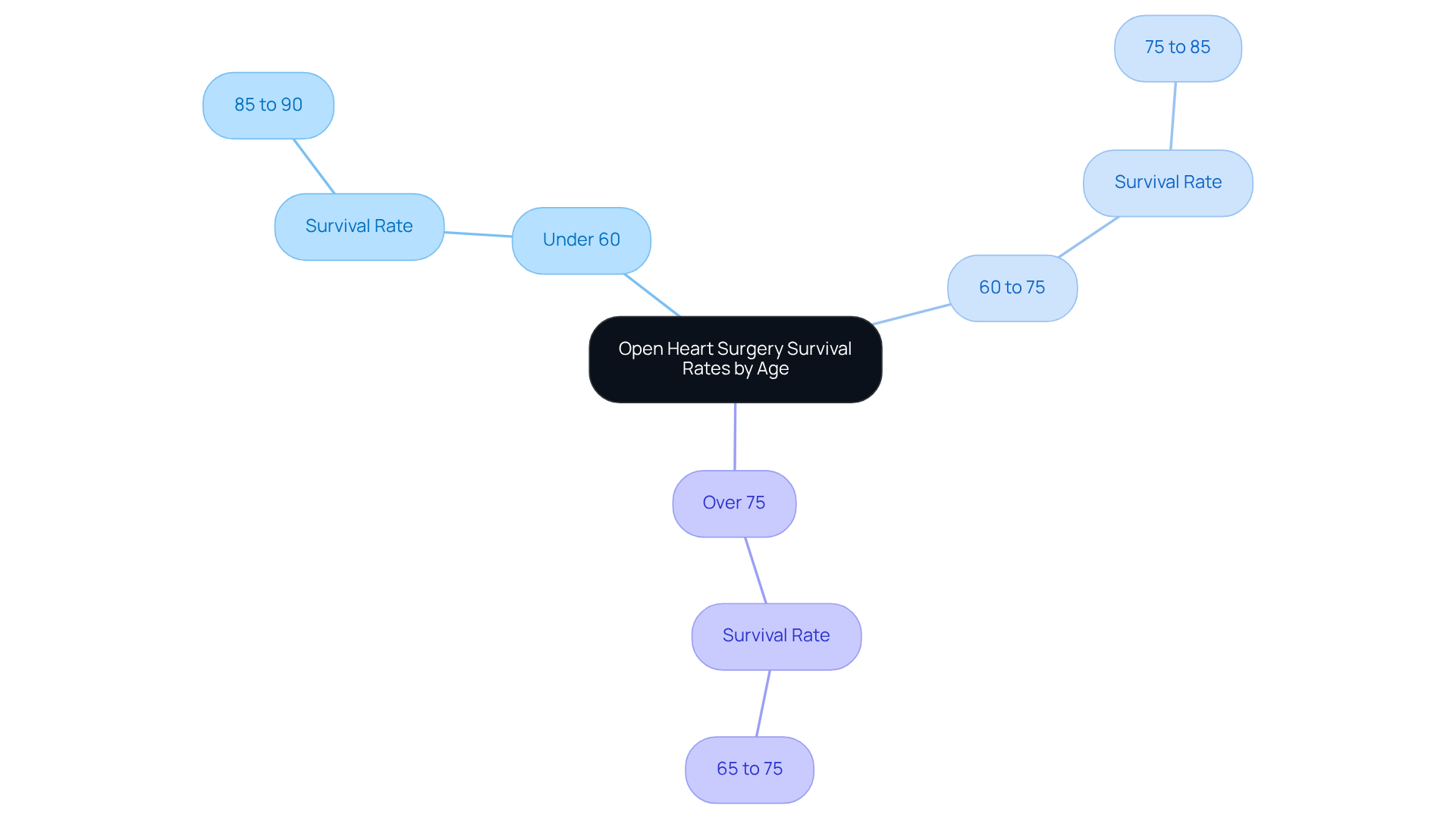
If you are researching long-term cardiac outcomes, you may also be comparing procedures and survival data, such as the Open heart surgery survival rate by age or specifically the Open heart surgery survival rate by age 55. While a heart transplant is different from traditional open heart surgery, understanding broader surgical survival trends can provide helpful context when evaluating your options.
Below, we explore how long transplanted hearts typically last, what influences survival rates, and what you should know before and after this major heart procedure.
How long will a heart be good after transplant surgery?
Since the first successful human heart transplant in 1967, advancements in surgical techniques, organ matching, and immunosuppressant therapy have significantly increased survival rates. In the short term, research indicates that at least 9 out of 10 people who receive a donor heart are still alive one year after surgery.
A 2020 study examining more than 30,000 heart transplant recipients over the age of 50 found that the overall 1-year survival rate was approximately 89%. Additionally, about half of these individuals survived at least 12 years following their transplant.
Other data, including a 2020 report, suggests that the median survival worldwide is closer to 10 years. However, survival statistics can vary widely depending on the country, healthcare system, and patient population studied.
It is difficult to accurately forecast how long any single transplanted heart will continue to function. While advanced heart failure is the primary reason for undergoing transplantation, other medical issues — such as pulmonary hypertension — may persist and influence long-term outcomes.
In some cases, the donor heart may have undetected or pre-existing heart disease that progresses after transplantation. Nevertheless, one of the most common causes of graft failure is rejection. This occurs when the recipient’s immune system identifies the new heart as foreign and attacks it. Although immunosuppressant drugs significantly reduce the likelihood of rejection, they cannot eliminate the risk entirely. Careful monitoring through routine biopsies and follow-up visits is essential to detect early signs of complications.
Do heart transplants last longer than other organs?
As organ transplantation becomes more common, both recipient survival rates and organ durability continue to improve. Still, longevity varies depending on the organ transplanted and the recipient’s overall health.
There are documented cases of individuals living 20 to 30 years or longer with transplanted organs. However, average survival times are typically shorter.
A 2019 report provides the following average survival durations for several common organ transplants:
- Heart: 9.4 years
- Kidney : 12.4 years
- Liver: 11.1 years
While heart transplant survival averages appear somewhat lower than kidney or liver transplants, outcomes continue to improve as medical science advances. Long-term success depends heavily on medication adherence, infection prevention, and management of other chronic conditions.
How many heart transplants can you have?
There is no formal maximum number of heart transplants a person may receive. However, undergoing more than one transplant — known as retransplantation — is relatively rare.
A 2020 study found that retransplantation accounts for only about 2–4% of adult heart transplant procedures and roughly 5% of pediatric heart transplants. Eligibility for a second transplant depends on factors such as overall health, cause of graft failure, and the availability of donor organs.
Life expectancy after a heart transplant (by age)?
Age at the time of transplantation plays an important role in long-term survival. Other influential factors include diabetes, previous smoking history, kidney function, and adherence to prescribed medications. When evaluating cardiac surgery outcomes, many people compare data points such as the Open heart surgery survival rate by age 50 to better understand how age influences recovery and long-term prognosis.
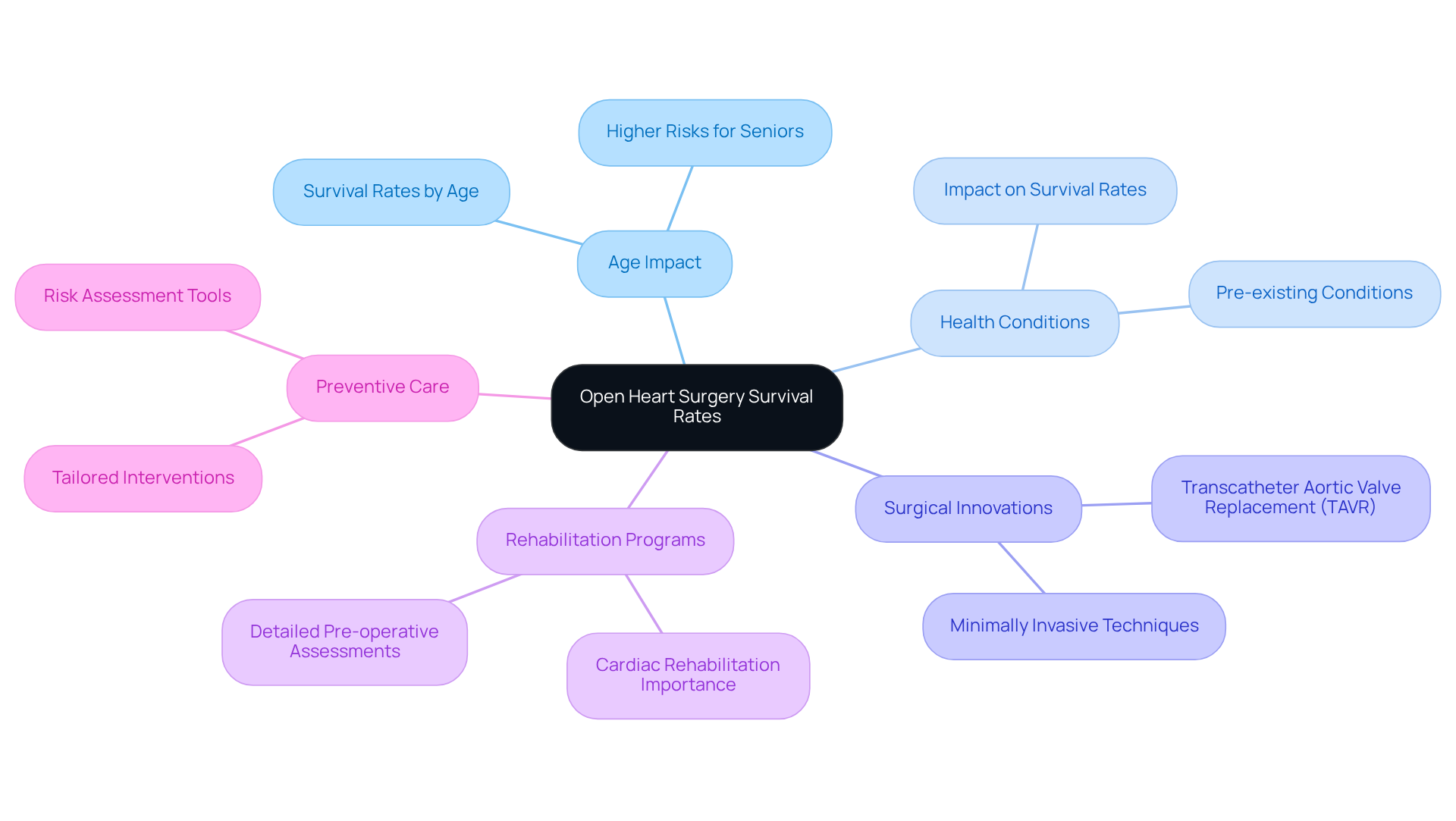
A 2016 study analyzed survival outcomes across different age groups and reported the following 5-year post-transplant mortality rates:
- 18 –5 9 years: 26.9%
- 60–69 years: 29.3%
- 70 years and older: 30.8%
Lower mortality percentages indicate better survival over the five-year period following transplantation. Although older age is associated with slightly higher mortality, many individuals in their 60s and 70s still experience meaningful survival and improved quality of life after receiving a donor heart.
Who is the longest living heart transplant patient?
The number of people living 20 to 30 years or more after a heart transplant continues to rise as treatments improve.
The individual believed to have lived the longest with a transplanted heart is Sandy Shaw from the United Kingdom. She received her first transplant at age 27 in 1982 and underwent a second transplant in 2005.
In the United States, there are also reports of long-term survivors such as Lizzy Craze in California. She underwent heart transplantation in 1984 due to a genetic condition that led to heart failure and was still thriving nearly 40 years later in 2022. These cases highlight how individualized outcomes can be.
What can you not do after a heart transplant?
Full recovery from heart transplant surgery generally takes at least 3 months, though healing timelines differ from person to person. During the early recovery phase, protecting the chest incision and avoiding excessive strain on the new heart is critical.
For approximately 6 weeks after surgery, patients are advised not to lift heavy objects. Driving is usually restricted for 6–8 weeks. Your transplant team will provide personalized guidance based on your recovery progress.
Because transplant recipients must take immunosuppressant medications long term, they face an increased risk of infection. Preventive strategies include staying up to date with recommended vaccinations, practicing frequent handwashing, avoiding close contact with people who are ill, and promptly reporting symptoms such as fever or unusual fatigue to your healthcare provider.
Regular follow-up appointments, laboratory testing, and sometimes heart biopsies are essential to monitor for rejection and other complications. Lifestyle habits — including maintaining a heart-healthy diet, engaging in appropriate physical activity, controlling blood pressure, and avoiding tobacco — also play a major role in long-term transplant success.
Takeaway
A heart transplant can dramatically extend life and improve quality of life for people with severe heart disease. However, it introduces new medical considerations. Long-term use of immunosuppressant medications increases susceptibility to infections and can raise the risk of kidney conditions.
By closely partnering with your healthcare team, adhering to prescribed medications, attending all follow-up appointments, and maintaining a heart-healthy lifestyle, many transplant recipients are able to live active, fulfilling lives for years after surgery. While survival statistics — including comparisons to procedures like the Open heart surgery survival rate by age 50 — offer helpful perspective, individual outcomes depend on personalized care, ongoing monitoring, and commitment to overall health.


















Leave a Reply
You must be logged in to post a comment.