
Key takeaways
- Ambien (zolpidem) is a prescription medication used for the short-term treatment of insomnia in adults. It is available as immediate-release and extended-release oral tablets.
- The highest recommended dose of Ambien is 10 milligrams (mg) per day. For Ambien CR, the maximum recommended dose is 12.5 mg per day.
- Your exact Ambien dosage depends on multiple factors, such as your age, the specific formulation prescribed, your sex assigned at birth, and how your body responds to the medication.
Ambien is classified as a hypnotic medication, a group of drugs commonly prescribed to support sleep.

The immediate-release version is intended to help you fall asleep more quickly. The extended-release form is designed to help you fall asleep and remain asleep throughout the night. (“Extended release” means the medication is gradually released into your body over time.)
Many people researching treatment options for insomnia also look into practical concerns such as the Zolpidem 10 mg price without insurance, pharmacy discounts, and ways to reduce out-of-pocket costs. In addition to understanding pricing, it’s equally important to know the correct dosage and safe usage guidelines for this medication.
This article outlines Ambien dosages, available strengths, and instructions for proper use. For more detailed information about the medication, refer to this in-depth article.
What is Ambien’s dosage?
This section reviews commonly prescribed Ambien dosages.
What are the forms of Ambien?
Ambien is offered in two forms: immediate-release tablets and extended-release tablets. The extended-release version gradually dispenses the medication into your system over several hours.
What strengths does Ambien come in?
Ambien is available in 5-mg and 10-mg tablets. Ambien CR is available in 6.25-mg and 12.5-mg tablets.
What are the usual dosages of Ambien?
Your prescribed Ambien dosage is influenced by several considerations, including:
- your age
- the formulation you’re taking
- how your body reacts to the drug
- your sex assigned at birth
Typically, your doctor will begin with a lower dose and adjust it gradually to achieve the most effective and well-tolerated amount. The goal is to use the smallest dose that delivers the desired sleep benefits.
The dosages below reflect those most frequently prescribed. Always follow the dosage your doctor recommends. Your healthcare provider will determine what’s safest and most appropriate for your situation.
Dosage for insomnia
Ambien and Ambien CR are approved for short-term management of insomnia. Standard dosing recommendations are outlined below.
Ambien dosage
If you’re female,* your doctor will generally start you on 5 mg of Ambien immediate-release once nightly. If you’re male,* the starting dose may be either 5 mg or 10 mg.
Take Ambien once daily right before bedtime. Ensure you have at least 7 to 8 hours available for sleep before you plan to wake up. This helps reduce the risk of next-day drowsiness or impaired driving.
If 5 mg does not adequately relieve your insomnia, your doctor may increase your dose to 10 mg daily. The maximum recommended dose of Ambien is 10 mg once per night.
Note: Higher doses may raise the likelihood of side effects, including next-day sleepiness and reduced alertness. Avoid driving or operating heavy machinery until you understand how Ambien affects you.
* In this article, “female” and “male” refer to sex assigned at birth. For more information about sex and gender distinctions, see this article.
Ambien CR dosage
For females, the recommended starting dose of Ambien CR is 6.25 mg once nightly. For males, the starting dose may be 6.25 mg or 12.5 mg once nightly.
Take your dose immediately before bed, allowing for at least 7 to 8 hours of sleep time. This precaution lowers the risk of next-day side effects such as drowsiness or slowed reaction time.
If 6.25 mg does not effectively manage symptoms, your doctor may increase the dose. The maximum dosage of Ambien CR is 12.5 mg taken once per day at bedtime.
Note: As with immediate-release Ambien, higher doses of Ambien CR may increase the risk of impaired alertness. Use caution with activities requiring focus until you know your response.
Is Ambien used long term?
No. Ambien and Ambien CR are intended for short-term treatment of insomnia. If you and your doctor determine the medication is safe and beneficial, it will generally be used temporarily.
If you have concerns about treatment duration, medication costs such as the Zolpidem 10 mg price without insurance, or alternative sleep therapies, discuss them with your healthcare provider.
Dosage adjustments
In certain situations, your doctor may modify your dose.
If you have liver problems, a lower dosage is usually recommended. Liver impairment can slow the removal of Ambien from your body, increasing the risk of side effects.
For mild to moderate liver problems, the typical Ambien dosage is 5 mg once daily before bedtime. For Ambien CR, the recommended dose in mild to moderate liver disease is 6.25 mg nightly.
Ambien and Ambien CR are not recommended for individuals with severe liver disease.
Adults aged 65 years or older are often prescribed lower doses to minimize side effect risks.
For adults in this age group, the recommended Ambien dosage is 5 mg once nightly. For Ambien CR, it is 6.25 mg once nightly.
If you have questions about your prescribed amount, consult your doctor or pharmacist.
What factors can affect my dosage?
The Ambien dosage you receive may depend on:
- the type and severity of your insomnia
- your age
- your sex assigned at birth
- the formulation prescribed (Ambien or Ambien CR)
- other health conditions, such as liver problems
Cost considerations, including the Zolpidem 10 mg price without insurance, may also influence discussions about generic options. Some individuals compare pharmacy pricing, such as Zolpidem 10 mg price Walmart or Zolpidem 10 mg price Walgreens, when filling prescriptions.
How is Ambien taken?
Ambien and Ambien CR are short-term oral treatments for insomnia. Take the medication exactly as directed by your doctor.
Swallow the tablet whole right before going to bed. Plan for at least 7 to 8 hours of uninterrupted sleep after taking the medication.
Avoid taking Ambien with food, as food may delay its onset of action.
Do not crush, chew, or split Ambien CR tablets, since altering the tablet can interfere with the extended-release mechanism.
Accessible drug containers and labels
Some pharmacies offer accessibility features such as:
- large-print labels
- braille labeling
- scannable codes that convert text to audio
Your doctor or pharmacist can help identify pharmacies that provide these services if needed.
If opening medication bottles is difficult, speak with your pharmacist about easy-open containers.
What if I miss a dose?
Only take Ambien or Ambien CR if you have at least 7 to 8 hours before you need to wake up. If you forget to take your dose at bedtime, skip it.
Taking the medication too late at night can increase the risk of next-day drowsiness and impaired driving.
Medication reminders, such as alarms or smartphone apps, may help you stay on schedule.
What should be done in case of overdose?
Do not exceed the dose prescribed by your doctor, as doing so can cause serious adverse effects.
Symptoms of overdose
Overdose symptoms may include:
- excessive sleepiness
- irregular heart rate
- blood pressure changes
- difficulty breathing
- coma
What to do in case you take too much Ambien
If you believe you have taken too much Ambien or Ambien CR, contact your doctor immediately. You may also call 800-222-1222 to reach America’s Poison Centers or use its online resource. If symptoms are severe, call 911 (or your local emergency number) or go to the nearest emergency room right away.
Ambien and withdrawal and dependence
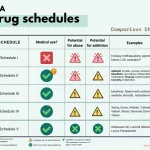
Ambien and Ambien CR are controlled substances in the United States, meaning they carry a risk of misuse, dependence, and addiction. Misuse involves taking the drug differently than prescribed. Dependence occurs when your body adapts to the medication. Addiction involves continued use despite harmful consequences.
Because of this classification, healthcare providers closely monitor prescribing and usage patterns. Your doctor will assess your personal risk factors, including any history of mental health conditions or substance misuse.
Do not abruptly discontinue Ambien or Ambien CR after regular use. Sudden discontinuation may lead to withdrawal symptoms such as:
- muscle cramps
- vomiting
- sweating
- shakiness
- nervousness
If stopping the medication is necessary, your doctor will gradually taper your dose to help reduce withdrawal risk.
What should I ask my doctor?
The information above summarizes typical dosing guidelines. If your doctor prescribes Ambien, they will tailor the dosage to your specific needs.
Do not change your dose without medical guidance. Always take Ambien exactly as prescribed.
Questions you may consider asking include:
- Does my dose increase my risk of side effects?
- If switching between Ambien and Ambien CR, will I experience withdrawal symptoms?
- How does Ambien compare with other insomnia medications such as Lunesta?
- Are there ways to reduce the Zolpidem 10 mg price without insurance?
For additional information about Ambien, explore these resources:
- Ambien and Ambien CR (zolpidem)
- Ambien Interactions: Alcohol, Medications, and Others
To receive updates on various health topics and practical wellness advice, consider subscribing to HealthEH newsletters. You can also explore online communities at HealthEH, where individuals managing similar conditions can connect and share support.
Disclaimer: HealthEH has made every effort to ensure that all information presented is accurate, comprehensive, and current. However, this content should not replace the expertise of a licensed healthcare professional. Always consult your doctor or qualified healthcare provider before starting or changing any medication. Drug information may change and is not intended to cover all possible uses, precautions, warnings, interactions, allergic reactions, or adverse effects. The absence of specific warnings does not mean a medication or drug combination is safe or appropriate for every patient or situation.






















Leave a Reply
You must be logged in to post a comment.