

Key takeaways
- Nodding off occasionally after you sit down can occur if you’ve had poor quality sleep. But if this happens often, it may point to hypersomnia, a condition marked by excessive daytime sleepiness.
- Health issues connected to hypersomnia include narcolepsy, obstructive sleep apnea, restless leg syndrome, depression, bipolar disorder, and chronic fatigue syndrome. Circadian rhythm disorders can also contribute to persistent daytime fatigue.
- Excess alcohol use, medications that cause drowsiness, a sedentary routine, and insufficient nighttime sleep can all increase your risk. Consult a doctor if you frequently fall asleep during the day or if it begins to interfere with your daily functioning.
If you’ve ever wondered, “Why do I keep dozing off while sitting?”, you’re not alone. Drifting off once in a while when you finally sit down can simply reflect inadequate or low quality sleep the night before.
However, if you repeatedly find yourself nodding off in a chair, on the couch, or at your desk, it could signal an underlying sleep-related condition that warrants medical evaluation. Understanding the possible causes can help you determine whether it’s simple fatigue or something more complex affecting your sleep-wake cycle.

Is falling asleep when sitting down a sign of a sleep disorder?
Regularly dozing off while seated may indicate hypersomnia, a sleep disorder defined by excessive daytime sleepiness. People with hypersomnia often struggle to stay alert during routine activities, even after what seems like a full night’s rest.
According to the United Kingdom’s National Health Service (NHS), several sleep, mental health, and physical conditions are linked to hypersomnia, including:
- narcolepsy
- obstructive sleep apnea
- restless leg syndrome
- depression
- bipolar disorder
- chronic fatigue syndrome
In addition, a circadian rhythm disorder (CRD) may lead to pronounced daytime tiredness, increasing the likelihood that you’ll fall asleep when you sit down. CRDs typically arise from disruptions to your internal body clock, such as frequent travel across time zones or alternating between day and night shifts. Over time, these schedule changes can disturb your natural sleep-wake rhythm and contribute to ongoing fatigue.
If you’re asking yourself, “Why do I keep dozing off while sitting even after a full night in bed?” it may help to explore whether a sleep disorder is fragmenting your rest without you realizing it. Conditions like obstructive sleep apnea, for example, can repeatedly interrupt breathing during sleep, reducing restorative deep sleep and leaving you feeling unrefreshed.
For a broader look at possible explanations, you might find it helpful to read about Nodding off without drugs, which discusses non-medication-related causes of sudden sleepiness.
Is falling asleep when sitting down a sleeping attack?
Sleeping attacks are associated with narcolepsy, a chronic neurological condition that affects the nervous system’s ability to regulate sleep and wakefulness.
Narcolepsy is characterized by excessive daytime fatigue, persistent drowsiness, and an overwhelming urge to sleep. These sensations can appear abruptly in episodes, often referred to as “attacks,” which may last several minutes.
Some individuals experience sleeping attacks occasionally, while others may have multiple episodes each day. Although these events commonly happen when someone is sitting quietly, they can also occur during activities such as walking, gardening, or even driving, which makes proper diagnosis and management especially important.
If you’re uncertain whether your symptoms point to narcolepsy or general exhaustion, reviewing information like Am I narcoleptic or just tired? may provide additional clarity before speaking with a healthcare professional.
What lifestyle factors contribute to falling asleep while sitting?
Certain daily habits and lifestyle patterns can make you feel unusually sleepy during the day or increase the chance that you’ll doze off once you sit down.
For example, consuming excessive alcohol may cause someone to pass out or unintentionally fall asleep. Alcohol can initially make you feel relaxed, but it also disrupts normal sleep architecture, which may leave you more fatigued the next day.
Medications that list drowsiness as a side effect can also impair alertness. This may include certain antihistamines, antidepressants, or other prescription drugs. A predominantly sedentary lifestyle, limited physical activity, and failing to get adequate nighttime sleep can further intensify daytime sleepiness.
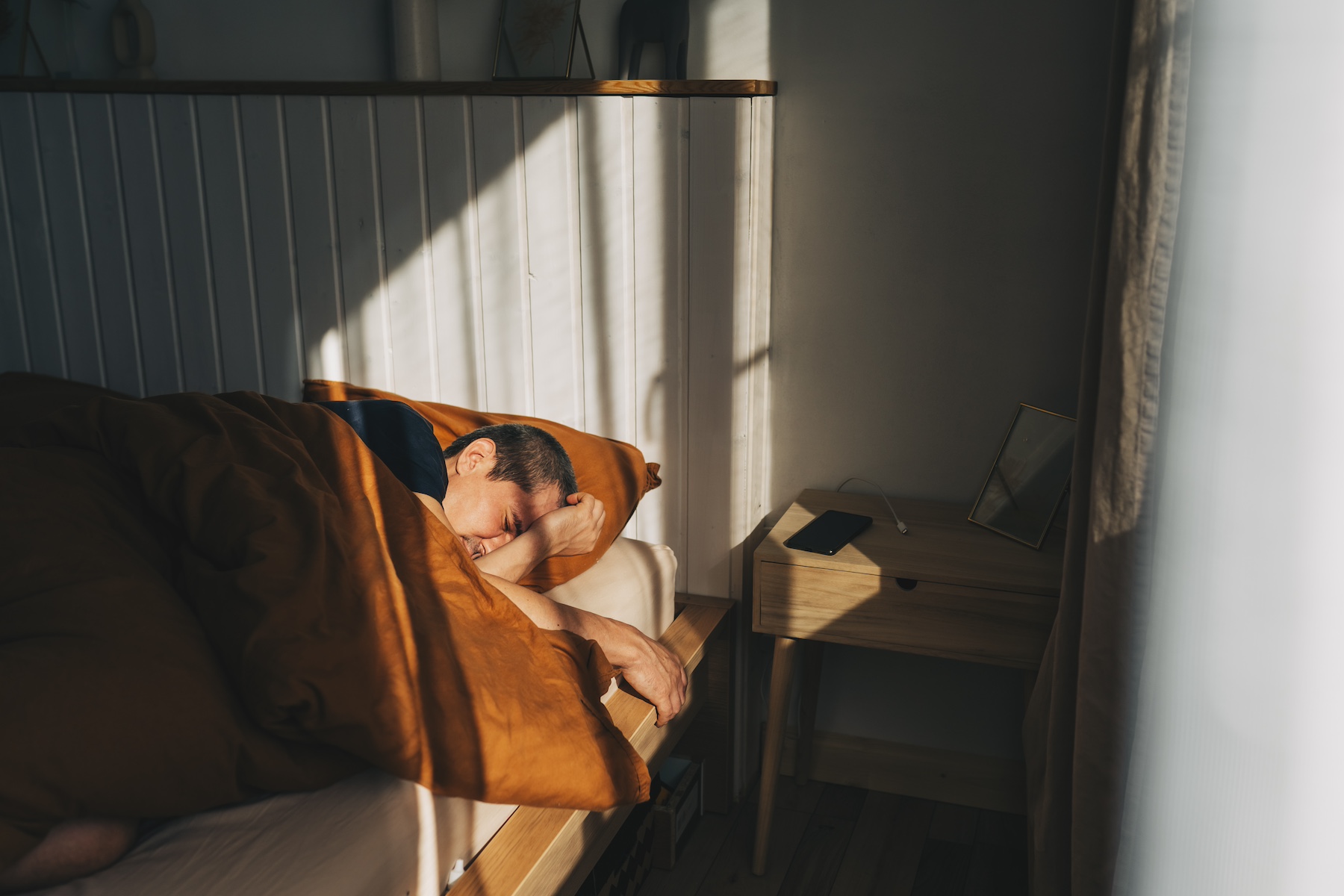
If you frequently think, “Why do I keep dozing off while sitting at work or while watching TV?” consider evaluating your sleep habits. Irregular bedtimes, late-night screen use, high caffeine intake late in the day, and chronic sleep deprivation can all reduce sleep quality and contribute to unintended naps.
When should I see a doctor about falling asleep during the day?
The NHS advises consulting a doctor if you regularly fall asleep throughout the day or if daytime drowsiness negatively affects your quality of life, productivity, or safety.
A healthcare professional can evaluate both lifestyle influences and potential medical causes behind why you keep dozing off while sitting. They may ask about your sleep patterns, mental health, medication use, and overall daily routine to develop a personalized treatment strategy. Treatment might involve a combination of:
- sleep hygiene practices, such as maintaining a consistent bedtime each night
- lifestyle adjustments, including incorporating regular daytime exercise
- dietary changes, such as reducing caffeine and alcohol intake before bedtime
- reviewing and modifying medications for any underlying conditions
- prioritizing sufficient, restorative sleep
With an appropriate treatment plan, many people experience improved alertness and fewer episodes of unintended sleep. Addressing the root cause can help restore your energy levels and reduce the likelihood that you’ll fall asleep each time you sit down.






















Leave a Reply
You must be logged in to post a comment.