

Overview
If you Woke up with blood in my boxers, it can be a frightening and confusing experience—especially when you don’t notice any other symptoms. Blood coming from the penis, whether it appears in urine or semen, should never be ignored. Although many underlying causes are treatable and not life-threatening, it’s essential to have a healthcare professional evaluate the situation. The HealthEH FindCare tool can help you locate a provider in your area if you don’t already have one.
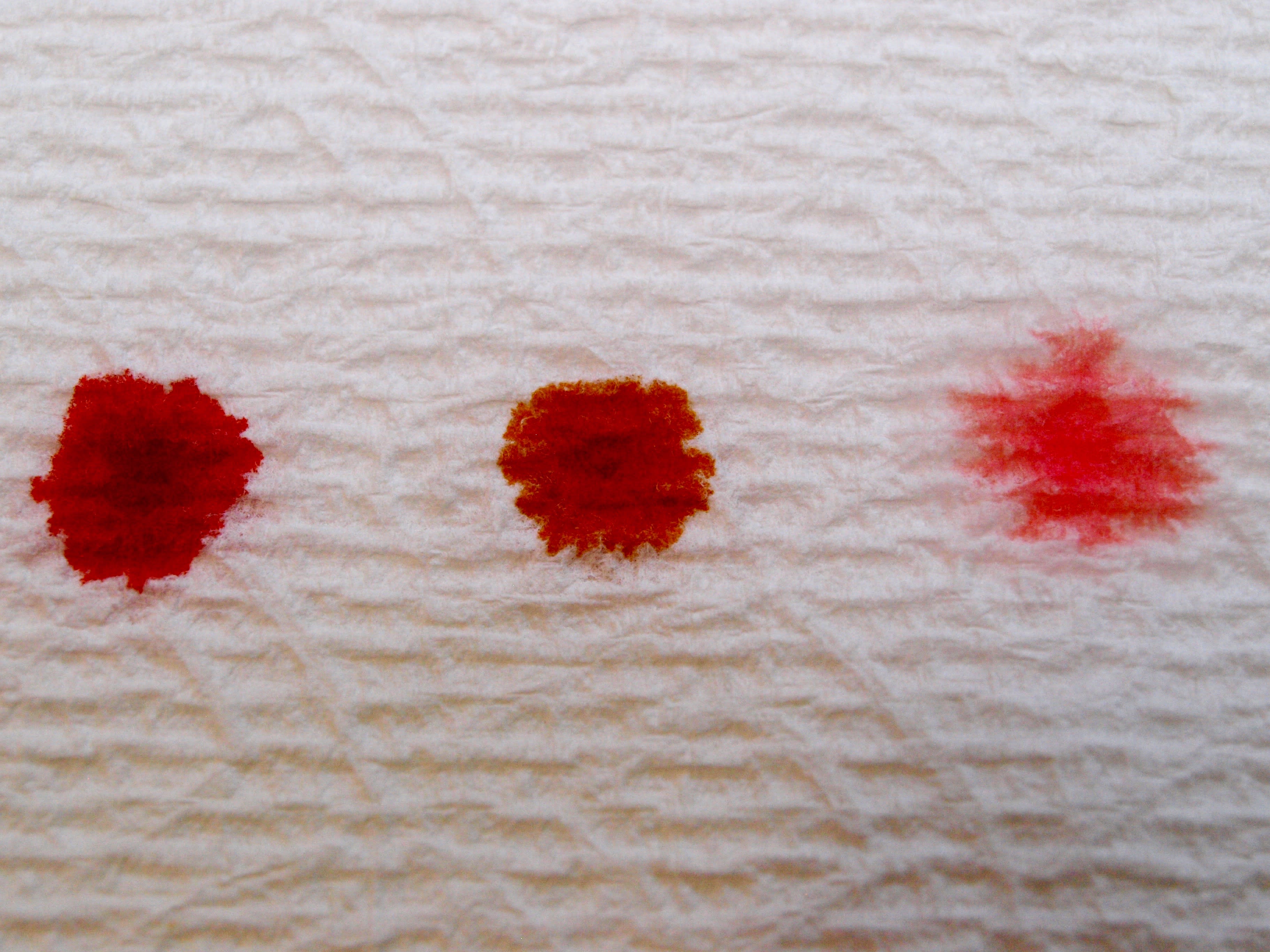
The reasons for penile bleeding range from something as simple as intense physical exertion to more serious urological or reproductive health conditions. Understanding the potential causes of blood in urine (hematuria) or blood in semen (hematospermia) can help you respond appropriately and seek timely care.
Sometimes, accompanying symptoms provide important clues. Your doctor will likely perform a physical examination, urine or blood tests, and possibly imaging studies to identify the root cause and establish an accurate diagnosis.
Narrowing down your symptoms
The penis plays two primary roles: eliminating urine and ejaculating semen. Both functions rely on a complex network involving the urinary tract and male reproductive organs. When something disrupts this system, you might notice bleeding, discharge, discomfort, or changes in urinary patterns.
Blood in urine
If you Woke up with blood in my boxers and later notice red or brown discoloration in your urine, the source may lie anywhere along your urinary tract. Hematuria can originate in the kidneys, ureters, bladder, prostate, or urethra. Be sure to inform your doctor if urination feels painful, strained, or unusually frequent.
Discomfort in your lower back or sides may indicate a urinary tract infection (UTI), kidney stones, or another kidney-related condition.
You may also observe changes in urine clarity or color. Cloudiness, a strong odor, or darker-than-usual urine can provide valuable diagnostic information.
Blood in semen
Seeing blood in your semen—known as hematospermia—can be alarming. It may occur along with pain during urination or ejaculation. In some instances, men first notice staining in their underwear, leading them to think, “Woke up with blood in my boxers—what could this mean?”
Additional penile discharge or genital discomfort could point toward a sexually transmitted disease (STD) or inflammation of reproductive structures.
See your doctor or a urologist
If bleeding is accompanied by fever, chills, or general malaise, an infection may be present and could require antibiotics or other medications.
No matter the suspected cause, you should schedule an evaluation with your doctor or a urologist. A urologist specializes in disorders affecting male reproductive organs and the urinary tract in both men and women.
Hematuria and hematospermia are concerns urologists assess routinely. While it may feel uncomfortable discussing such symptoms, remember that these professionals are trained to handle these issues with discretion and care.
Because several conditions share overlapping symptoms, provide as much detail as possible about when the bleeding began, how often it occurs, and any associated pain or urinary changes. This information is crucial for reaching the correct diagnosis.
Enlarged prostate
The prostate is a walnut-sized gland located beneath the bladder that surrounds the urethra. It produces fluid that contributes to semen. As men age, it’s common for the prostate to enlarge and compress the urethra.
Benign prostatic hyperplasia (BPH) refers to noncancerous enlargement of the prostate. Typical symptoms include:
- small amounts of blood in the urine (often microscopic and detected on testing)
- frequent urination
- trouble starting or maintaining urine flow
Urethral pressure from an enlarged prostate can lead to trace bleeding. Diagnosis may involve a digital rectal exam and imaging such as ultrasound.
Treatment options often include alpha blockers or 5-alpha reductase inhibitors to reduce prostate size and ease symptoms.
BPH and prostate cancer can present similarly. If cancer is suspected, your doctor may advise a prostate biopsy. Temporary blood in urine or semen after the procedure is common and typically resolves within weeks.
Prostatitis
Prostatitis is inflammation of the prostate, often caused by a bacterial infection. It may produce blood in the urine and symptoms that resemble BPH. Laboratory testing of urine can help detect infection.
Imaging studies such as ultrasound or CT scan may be used to assess the prostate. Antibiotics are the standard treatment for bacterial prostatitis, and symptoms generally improve with appropriate therapy.
Prostate cancer
Prostate cancer frequently develops without early warning signs. A blood test measuring prostate-specific antigen (PSA) levels can help detect abnormalities.
Possible symptoms include:
- blood in your urine or semen
- burning or discomfort during urination
- difficulty maintaining an erection
- painful ejaculation
- rectal pain or pressure
Treatment may involve surgical removal of the prostate, though potential side effects include incontinence and sexual dysfunction. Because prostate cancer often progresses slowly, some individuals may be candidates for active surveillance rather than immediate intervention.
Urinary tract infection
A UTI can develop in the urethra, bladder, ureters, or kidneys, though most infections affect the lower urinary tract. Blood in the urine, burning during urination, and strong-smelling urine are typical symptoms.
Bacteria from the gastrointestinal tract commonly cause UTIs. Antibiotics usually resolve the infection effectively.
If you Woke up with blood in my boxers and experience urinary burning or urgency, a UTI is one possibility your doctor will evaluate.
Bladder cancer
Bright red or dark brown blood in urine may signal bladder cancer. Sometimes, bleeding occurs intermittently.
Initially, hematuria may be the only symptom. Later, urination might become painful or difficult. However, these signs can also occur with less serious conditions like a UTI.
Always report persistent or unexplained bleeding to your doctor. Treatment depends on the stage and may include surgery, chemotherapy, radiation therapy, or immunotherapy.
Kidney infection
The kidneys filter waste from the bloodstream and produce urine. Pyelonephritis is a serious kidney infection that often begins as an untreated UTI.
Symptoms may include:
- bloody or cloudy urine
- foul-smelling urine
- frequent or painful urination
- fever or chills
Prompt treatment with strong antibiotics is crucial, as untreated kidney infections can cause lasting damage.
Kidney stones
Kidney stones are hardened mineral and salt deposits that form in the kidneys. They can irritate tissues and cause bleeding.
If small and stationary, stones may produce no noticeable symptoms aside from microscopic blood in urine. When moving through the urinary tract, they often cause intense back or abdominal pain and visible discoloration of urine.
Diagnosis typically involves imaging and urine tests. Treatment ranges from increased fluid intake to procedures such as shock wave therapy or ureteroscopy.
Epididymitis
Epididymitis is inflammation of the epididymis, the tube transporting sperm from the testicles. It can cause significant testicular pain, swelling, and occasionally blood in semen.
Most cases result from bacterial infection, including UTIs or STDs. Antibiotic therapy is usually effective.
Orchitis
Orchitis refers to inflammation of one or both testicles, sometimes triggered by viral or bacterial infections. Symptoms include swelling, pain, fever, nausea, and occasionally blood in urine or semen.
Bacterial orchitis responds to antibiotics, while viral orchitis is managed with rest and supportive care. Untreated cases can affect fertility.
Brachytherapy
Brachytherapy is a cancer treatment that places radioactive seeds near a tumor, often for prostate cancer. Side effects may include blood in urine or stool, erectile dysfunction, and urinary difficulties.
Discuss potential benefits and risks thoroughly with your healthcare provider before undergoing treatment.
Injury or trauma
Physical injury to the penis from accidents, sports, or vigorous sexual activity can result in bleeding. Pain, bruising, or visible swelling may accompany the bleeding.
Penile trauma should be treated as a medical emergency. Seek immediate evaluation.
Sexually transmitted disease
STDs such as gonorrhea, genital herpes, and chlamydia can lead to blood in semen. They are typically transmitted through vaginal, anal, or oral sex.
Symptoms often include painful urination and penile discharge. Prompt treatment with antibacterial or antiviral medications is essential to prevent complications like infertility or systemic infection.
Vasectomy
A vasectomy is a surgical birth control method that blocks sperm from entering semen. Mild bleeding in semen, swelling, or discomfort can occur shortly after the procedure but generally resolves within days.
Extreme exercise
Endurance athletes and individuals engaging in strenuous workouts may occasionally develop exercise-induced hematuria. This temporary condition usually clears within 72 hours and may be related to red blood cell breakdown or dehydration.
The takeaway
Noticing blood—especially if you Woke up with blood in my boxers—can be deeply unsettling. However, many underlying causes are treatable once properly identified.
Early medical evaluation is key. Whether the issue stems from infection, inflammation, kidney stones, prostate conditions, or another concern, timely diagnosis allows for effective treatment and better outcomes.
For additional insight into related symptoms, you may find this resource helpful: Blood stain in brief.
Do not delay seeking care—particularly if bleeding is persistent or accompanied by fever, pain, or difficulty urinating. The sooner the cause is determined, the sooner appropriate treatment can begin.























Leave a Reply
You must be logged in to post a comment.