
We’ll also walk you through three healthier — and far more skin-friendly — ways to achieve clean, balanced skin.

If you’ve ever wondered, What happens if you wash your face with hand soap? the short answer is that it can significantly disrupt your skin’s natural balance. Your skin is the body’s largest organ and serves as a primary defense against environmental threats. It shields you from pathogens, injury, and temperature fluctuations, making proper skin care essential for overall wellness.
Although soap is widely marketed as a cleansing staple — promising to lift away dirt, oil, and dead skin cells — using the wrong type, especially on your face, may do more harm than good. In fact, many people who search for answers after thinking, I accidentally washed my face with hand soap, are concerned about dryness, irritation, or sudden breakouts. These concerns are valid and rooted in basic skin science.
Conventional soaps can damage your skin
It has been well documented that traditional soaps — produced by combining fat or oil with an alkali such as lye — can impair the skin by altering its pH, disrupting beneficial bacteria, and stripping away essential natural oils.
The pH of your skin really matters
Healthy skin maintains a pH of about 5.5, which is slightly acidic. In contrast, most conventional soaps have a much higher pH, sometimes reaching 11.
“When the skin’s pH is too high, your body produces excess sebum to fight back and restore its natural pH levels. However, the soap residue ensures the disruptive pH is maintained,” explains independent beauty chemist David Pollack. “The end result is that skin can become too oily. If that isn’t bad enough, soap residue emulsifies or binds to the skin’s lipid matrix.”
The time it takes to compromise the skin’s acid mantle — the protective layer made up of oils, fatty acids, and amino acids — varies from person to person. However, symptoms of disruption often include excessive dryness, itching, redness, irritation, and inflammation. These effects may also aggravate existing skin conditions like acne, eczema, dermatitis, and rosacea.
Ironically, some of the very issues people attempt to fix by aggressively cleansing — such as oily skin or clogged pores — can worsen when the skin’s protective oils are stripped away.
These natural oils are crucial for maintaining hydration and structural integrity. Without them, the skin barrier becomes vulnerable to cracking, flaking, and irritation, increasing the risk of trans-epidermal water loss and sensitivity.
Pollack, who has developed best-selling formulas for brands including L’Oréal, Smashbox, Bliss, and SkinCeuticals, notes, “When you rinse your skin, a layer of the protective barrier is actually washed away, leading to even drier skin.”
This helps explain why people who ask, “What happens if you wash your face with hand soap?” often report tightness, burning, or rebound oiliness afterward. The cleansing method itself may be interfering with the skin’s ability to repair and defend itself.
How to ditch your soap for good
If you’re uncertain about the ingredients in your current soap, it may be worth reconsidering its place in your skincare routine. Bar soaps tend to be the most alkaline and therefore the harshest on facial skin. Body washes and shower gels are typically formulated with surfactants or emulsifiers and may be somewhat closer to the skin’s natural pH, but they can still remove protective oils.
The good news, though, is that soap is pretty much unnecessary
Yes — conventional soap is not essential for everyday facial hygiene.
To remain clean under normal circumstances, all you truly need is water. Just water.
Water alone can effectively rinse away surface debris and sweat without disrupting the lipid barrier. It’s also wise to avoid prolonged, hot showers, which can further dry and irritate the skin. A brief rinse is generally sufficient to remove daily buildup while preserving moisture.

If desired, you can use a gentle cleanser on areas like the armpits and genitals. However, unless you’ve engaged in heavy sweating or intense physical activity, strong cleansers are usually unnecessary. If you’re thinking, I accidentally washed my face with hand soap but didn’t notice immediate irritation, monitor your skin for dryness or redness and switch to milder cleansing options moving forward.
1. Try oil cleansing
Oil cleansing is one alternative that supports the skin barrier. Although applying oil to clean your face may seem counterintuitive, it can be a gentler option compared to traditional soap.
Oil-based cleansers bind to dirt and dead skin cells, allowing them to rinse away without disrupting the existing lipid barrier. For best results, apply the oil before stepping into the shower. Many modern oil cleansers create a light emulsion upon contact with water, rinsing cleanly without residue.
Pro-tip: Consider placing a non-slip mat in your shower to reduce the risk of slipping.
2. Brush dead skin cells off
Dry brushing is another method that can help slough off dead skin cells and surface debris while stimulating natural oil production. As the name implies, this technique involves brushing dry skin with a natural fiber brush.
The brushing motion exfoliates and may also support lymphatic drainage. There is some evidence suggesting that stimulating the lymphatic system benefits overall detoxification processes.
To begin dry brushing at home, choose a high-quality brush with natural bristles, commonly available in bath or wellness sections of stores.
Dry brushing instructions
- Start at your feet and brush upward, following your body’s contours.
- Use clockwise circular motions and apply gentle pressure on delicate areas, firmer pressure on thicker skin.
- Always brush toward the center of your chest.
- After your legs, abdomen, and chest, brush your arms from your palms inward.
- Once finished, rinse off in cool water and apply your preferred moisturizer.
3. Make your own all-natural scrub
If you enjoy DIY skincare, countless recipes can be prepared at home using simple ingredients. Options range from salt or sugar scrubs to oatmeal and honey blends.
Brit+Co shares several natural exfoliating recipes designed to remove dead skin cells while maintaining hydration without compromising the skin barrier. A basic mixture might include oatmeal, honey, and plain yogurt, or avocado oil, honey, and sugar. Avoid using coarse scrubs on your face, as delicate facial skin can develop micro tears.
Always patch test: Before applying any new homemade or commercial product broadly, test it on a small area of skin for at least 24 hours to check for adverse reactions.
What about natural soaps?

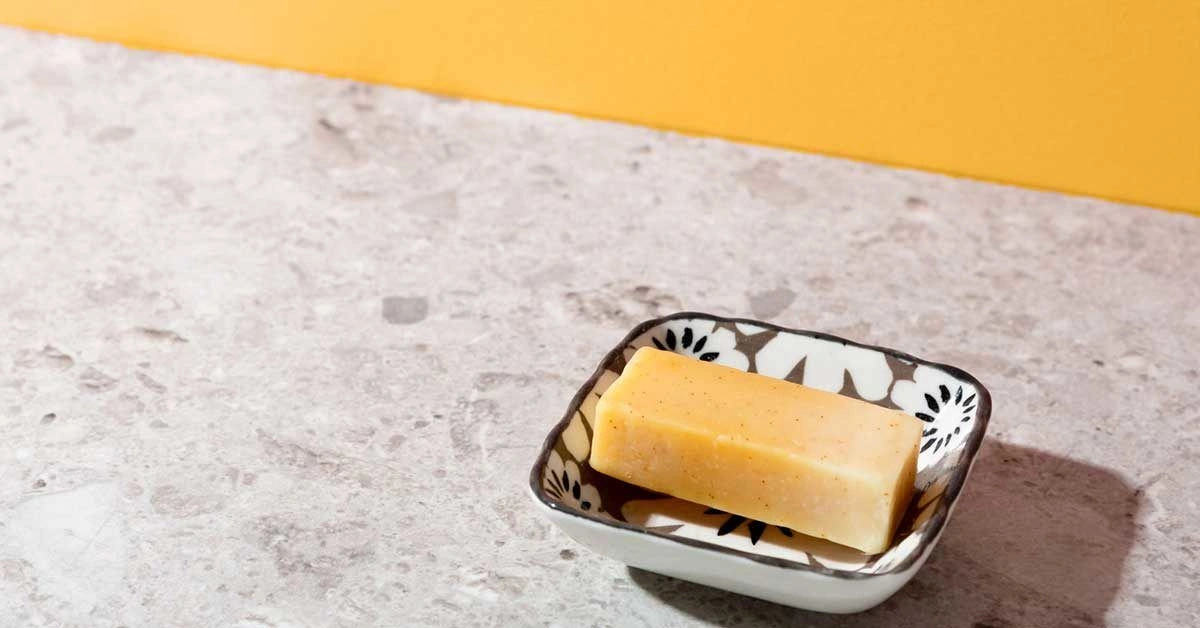
If you’re not quite ready to eliminate soap entirely, consider switching to a natural or handmade small-batch variety. These soaps are often less harsh than mass-produced bars and typically use higher-quality fats and oils during the saponification process. Ingredients like shea butter, coconut oil, and olive oil are common bases, while commercial soaps may rely on lower-quality fats and harsher additives.
Double-check ingredient and avoid:
- sodium lauryl sulfate
- sodium laureth sulfate
- phthalates
- parabens
- synthetic coloring agents (FD&C Yellow, etc.)
- artificial fragrance
- Pro-tip: To evaluate specific products, consult the Environmental Working Group’s (EWG) Skin Deep database.
Well-regarded small-batch brands such as Meller & Maude and Colorado Aromatics offer thoughtfully formulated soaps made with gentler, naturally derived ingredients.
Are you ready to say goodbye to soap?
Given the impact that high-pH cleansers can have on your skin microbiome — the ecosystem of beneficial bacteria living on your skin — it may be time to rethink traditional soap use, particularly on your face.
Quick soap reminders for your best skin
- Conventional soaps can weaken your skin barrier and interfere with optimal function.
- Consider replacing soap with water, oil cleansing, dry brushing, or other gentle alternatives.
- Screen products carefully and use EWG’s Skin Deep resource for research.
A balanced, resilient microbiome is fundamental to healthy skin. Rather than aggressively removing bacteria, focus on preserving the protective systems your body already has in place. Sometimes, the best skincare approach is supporting your skin — not stripping it.



















Leave a Reply
You must be logged in to post a comment.