
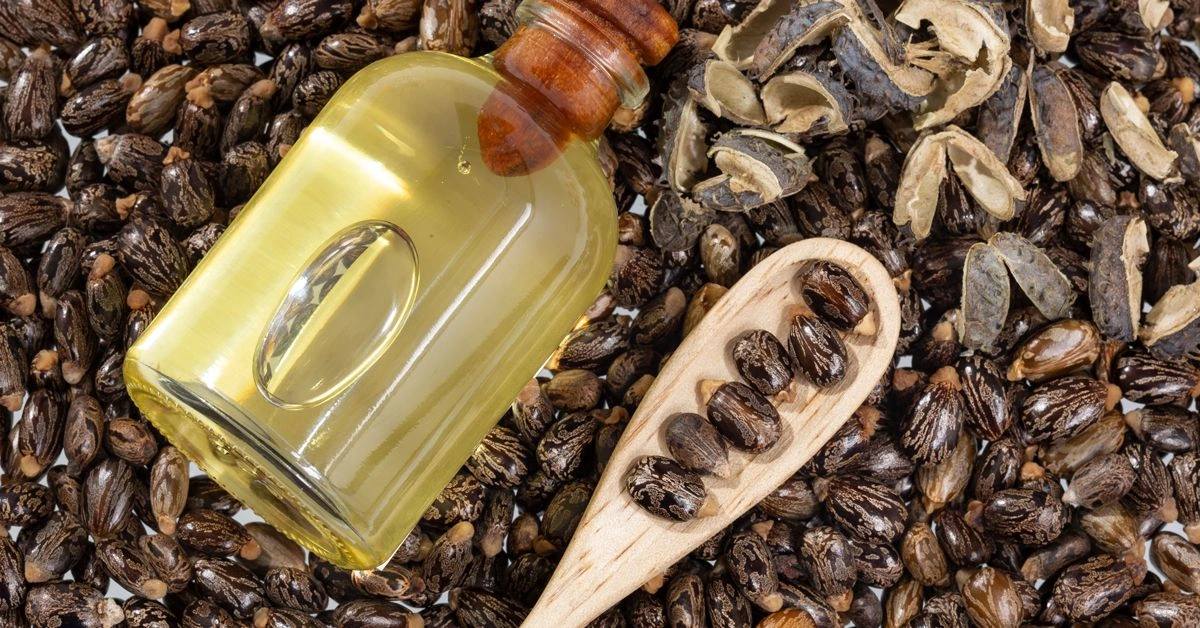
Navel pulling involves placing castor oil in the belly button and gently massaging the area with the aim of improving digestion, encouraging natural detox, and supporting weight loss. Despite its popularity online, there is no scientific evidence to confirm these claims. Understanding the potential Side effects of applying castor oil in belly button and separating fact from trend is important before trying this practice.

If you’ve spent time scrolling through social media platforms lately, you may have noticed videos about navel pulling. A quick search on TikTok shows countless clips—many with thousands of views—demonstrating how to apply oil to the navel for various health benefits.

Navel pulling is rooted in Ayurvedic traditions, which involve applying oils to the belly button and surrounding abdominal area as part of holistic wellness routines.
Advocates claim that this method delivers numerous health advantages. However, while it may sound appealing, navel pulling is not the miracle remedy it is often portrayed to be. It’s essential to examine both the supposed benefits and the possible Side effects of applying castor oil in belly button before incorporating it into your routine.
Are there health benefits to applying castor oil to the belly button?
Navel pulling originates from Ayurvedic medicine, an Indian system of healing that is thousands of years old. Broadly speaking, Ayurveda emphasizes natural and holistic strategies to support the health of the body, mind, and spirit.
The technique is linked to the concept of the Pechoti gland, said to be located behind the belly button. Some believe this gland connects to thousands of blood vessels that can absorb substances such as oils into the body.
Ayurveda is not alone in applying substances to the navel. Certain Traditional Chinese medicine (TCM) practices apply herbal preparations to the belly button to help manage issues like chronic diarrhea.
Supporters of navel pulling often report benefits such as:
- enhanced digestive function, including reduced bloating and more regular bowel movements
- detoxification of the body
- support for weight loss efforts
- relief from symptoms of conditions such as endometriosis and ovarian cysts
It’s important to note that these reports are anecdotal and based on personal experiences rather than controlled scientific research. While discussions about Castor oil in belly button benefits are widespread, clinical validation remains lacking.
Are claims about navel pulling backed by science?
Currently, there is no scientific evidence confirming the existence of the Pechoti gland. Anatomically, the belly button is much simpler than described in these claims.
During fetal development, the umbilical cord contains three blood vessels—one vein and two arteries—not thousands. After birth, these vessels close and transform into ligaments.
This means there are no direct blood vessel pathways from the belly button to the rest of the body that would allow oils to be widely distributed internally. Essentially, the navel is a scar marking where the umbilical cord was once attached.
Additionally, searching medical databases for terms like “navel pulling” or “castor oil belly button” yields no scientific literature supporting the health claims frequently promoted online.
Could navel pulling have any benefits at all?
Although navel pulling is not supported as a cure-all, certain elements of the practice may offer limited benefits.
Castor oil contains anti-inflammatory and anti-microbial properties and is rich in fatty acids. For this reason, it may help moisturize the skin, support the skin barrier, or assist with mild skin concerns such as acne when applied topically.
In addition, navel pulling typically includes abdominal massage. Research suggests abdominal massage can aid digestion. A 2023 meta-analysis reported that abdominal massage may increase stool frequency in individuals with constipation, and a 2025 meta-analysis supported these findings.
Those exploring holistic routines sometimes compare this trend with the Benefits of rubbing castor oil on stomach, which generally focus on topical skin support and massage-related digestive comfort rather than internal detoxification.
Are there health risks associated with navel pulling?
There is limited research specifically examining the risks of navel pulling. However, understanding the possible Side effects of applying castor oil in belly button is essential.
If you have sensitive skin, castor oil could lead to irritation, itching, redness, or an allergic reaction. Performing a patch test before broader application can help minimize the risk of adverse skin reactions.
Other potential side effects may include clogged pores or localized inflammation, particularly if oil residue is not properly cleansed. Individuals with eczema, dermatitis, or open skin lesions around the navel should avoid applying oils without medical advice.
Abdominal massage is generally considered safe when performed gently. Excessive pressure, however, could cause discomfort, especially in people with recent abdominal surgery, hernias, or underlying gastrointestinal conditions.
Science-backed remedies for digestion and detoxification
If your goal is better digestive health, there are evidence-based options to consider instead of relying solely on social media trends.
Castor oil may function as a laxative when taken orally. The Food and Drug Administration (FDA) has approved it exclusively for this purpose. It should be used according to medical guidance.

Over-the-counter (OTC) laxatives include fiber supplements like Metamucil, osmotic agents such as MiraLAX, and stimulant laxatives like Dulcolax.
Additional home strategies for managing constipation and bloating include:
- consuming adequate dietary fiber and maintaining proper hydration
- participating in regular physical activity to promote healthy bowel movements
- limiting foods that may trigger bloating, including raw broccoli, beans, wheat, and carbonated beverages
If constipation or bloating persists, scheduling a consultation with a healthcare professional is advisable to identify possible underlying causes.
Conditions such as irritable bowel syndrome (IBS), celiac disease, and diverticulitis can contribute to digestive changes, including bloating and constipation, and require proper medical evaluation.
A word of caution on detoxes
Various detox programs promote fasting, herbal supplements, enemas, or laxatives to “cleanse” the colon and eliminate toxins.
According to the National Center for Complementary and Integrative Health (NCCIH), there is little scientific evidence supporting detox regimens for improving health. In some cases, these approaches may pose significant health risks.
Before attempting any detox or alternative digestive practice, consult a healthcare professional. They can provide personalized advice and recommend safe, evidence-based methods to support overall wellness.
Takeaway
Navel pulling is an Ayurvedic-inspired practice that involves applying castor oil to the belly button and massaging the area. It is often promoted as a way to enhance digestion and reduce issues such as constipation or bloating.
However, there is no scientific evidence confirming that this method delivers the advertised benefits. While mild skin moisturization or massage-related digestive support may occur, the broader claims lack clinical backing, and awareness of the potential Side effects of applying castor oil in belly button is crucial.
For digestive concerns, consider proven strategies such as dietary adjustments, regular exercise, adequate hydration, and appropriate OTC medications. If symptoms are ongoing or severe, seeking guidance from a qualified healthcare professional is the safest and most effective course of action.


















Leave a Reply
You must be logged in to post a comment.