

Home management of whiplash discomfort typically includes cold and heat therapy, over-the-counter (OTC) pain relievers, and targeted exercises designed to restore normal neck movement and flexibility.
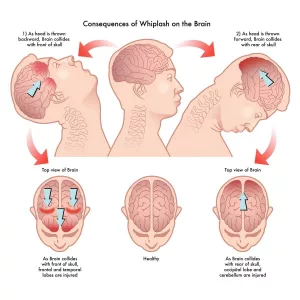
Whiplash is a neck injury most frequently linked to rear-end car accidents and certain sports-related incidents. Sudden, forceful back-and-forth motion of the head and neck places strain on muscles, ligaments, and surrounding soft tissues, leading to pain and stiffness. When Untreated whiplash symptoms are ignored, they may linger and interfere with daily activities, so early and appropriate care is important.

In many cases, whiplash improves with conservative, at-home strategies. This guide explains practical steps you can take to manage symptoms safely and support the healing process, while also outlining when professional medical evaluation is necessary.
When to see a doctor for whiplash
If your whiplash resulted from trauma such as a car crash or physical assault, it’s wise to consult a healthcare professional. A clinician can evaluate you for more serious injuries, including fractures, develop an individualized at-home care plan, or recommend physical therapy, pain medication, or muscle relaxants if needed.
Whiplash symptoms may appear immediately or develop over several days. In some cases, Whiplash symptoms delayed can make it difficult to connect the discomfort to the original injury. Seek medical attention if you experience any of the following:
- pain, burning, or a prickling sensation in your neck, shoulders, or back
- blurry vision
- tinnitus (ringing in the ears)
- headache
- dizziness
- problems with memory
- insomnia
- irritability
- fatigue

Persistent neurological changes, such as numbness or weakness, may signal complications like nerve involvement. Learning about Whiplash nerve damage symptoms can help you recognize when urgent assessment is necessary.
Cold and heat therapy for whiplash
Both cold and heat applications can be useful in easing whiplash-related discomfort and encouraging recovery.
During the first 7–10 days, apply cold packs or ice wrapped in a cloth for 15 minutes every 2–3 hours. Cold therapy reduces blood flow to affected muscles, tendons, and irritated nerve roots, helping to limit swelling, inflammation, and pain.
Do not use heat while noticeable inflammation and swelling are still present.
After swelling has decreased, you may alternate between heat and cold for 15 minutes every 2–3 hours. Heat increases circulation to the injured area, relaxes tight muscles, eases stiffness, and supports tissue healing. This combination approach can be especially helpful for managing Untreated whiplash symptoms that include lingering muscle tightness.
Pay attention to how your body responds. If you notice better relief from either heat or cold alone, prioritize the method that provides the most comfort.
Over-the-counter medications for whiplash
Over-the-counter (OTC) pain relievers can be effective for mild to moderate whiplash pain. Always follow the instructions on the packaging and avoid exceeding recommended doses. If OTC medications do not adequately control your symptoms, consult a healthcare professional.
Common OTC options include acetaminophen (Tylenol) and nonsteroidal anti-inflammatory drugs (NSAIDs), such as ibuprofen (Advil, Motrin) and aspirin.
Avoid combining OTC pain relievers with prescription pain medications unless specifically directed by a healthcare provider.
NSAIDs may help decrease both inflammation and discomfort. However, they can irritate the stomach lining. If you have a gastrointestinal condition like diverticulitis or an ulcer, speak with a doctor before taking them.
You should also refrain from using NSAIDs if you are on blood-thinning medication.
Exercises and physical therapy for whiplash recovery
Gentle home exercises play a key role in restoring range of motion and normal neck function after a whiplash injury. Regular movement encourages blood flow, strengthens supportive muscles, and can help reduce ongoing discomfort.
A healthcare professional may suggest specific exercises tailored to your needs. These might include simple side-to-side head tilts or shoulder rolls to maintain mobility without overstraining healing tissues.
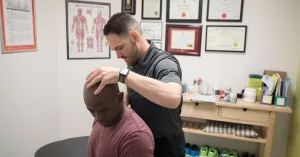
For persistent or more severe pain, physical therapy may be recommended. A physical therapist can use techniques such as massage and electrotherapy to reduce stiffness and alleviate neck pain. They will also teach structured stretches and strengthening exercises, including chin tucks, which help realign posture and support cervical spine stability.
To perform a chin tuck:
- Sit upright with your back straight and your face looking forward.
- Gently lower your chin toward your chest. You should notice a stretch along the back of your neck. If you feel pain, do not push further.
- Hold the stretched position for 30–40 seconds. If discomfort increases or your shoulders begin to round forward, slowly release.
- Gradually raise your chin back to the starting position.
- Repeat five times, working up to 10 repetitions as tolerated.
Consistent, controlled movement is essential. Without proper rehabilitation, Untreated whiplash symptoms can contribute to chronic neck pain or reduced flexibility over time.

Alternative treatments for whiplash
There is limited high-quality evidence supporting the effectiveness of alternative therapies such as homeopathy or transcutaneous electrical nerve stimulation (TENS) units for whiplash.
However, some individuals report that practices like yoga, tai chi, and qi gong help ease muscle tension and improve mobility. These gentle movement disciplines may enhance body awareness and promote relaxation.
Alternative approaches tend to be most beneficial when used alongside physical therapy or standard medical treatment rather than as standalone solutions.
What activities should I avoid when recovering from whiplash?
Steering clear of activities that aggravate your injury is crucial for a smooth recovery and for preventing prolonged Untreated whiplash symptoms.
Regaining full neck function often takes around 6 weeks. During this period, try to avoid movements or tasks that may strain your neck, including:
- lifting heavy items
- driving
- certain sports such as swimming, tennis, and contact sports
- amusement park rides
That said, complete inactivity is not recommended. Gentle, guided neck exercises are an important part of rehabilitation.
If neck discomfort makes everyday activities challenging, a soft foam cervical collar may provide temporary support. Use it only as directed, since prolonged reliance can weaken neck muscles.
Frequently asked questions
How long does it take to recover from whiplash?
Recovery timelines vary from person to person. Mild injuries may resolve within a few days to several weeks, while moderate to severe whiplash can require more time.
Most individuals recover within 3 months, though some continue to experience stiffness or discomfort beyond that period.
You can support healing by avoiding activities that worsen symptoms and by closely following medical guidance.
Will whiplash heal on its own without treatment?
If not managed appropriately, whiplash can result in long-lasting injury to the neck’s muscles and soft tissues. Certain groups, including children and older adults, may be at increased risk of complications.
Mild cases may gradually improve without formal treatment. Nonetheless, simple at-home measures—such as cold and heat therapy—can significantly accelerate recovery and reduce the likelihood of persistent issues.
How should you sleep if you have whiplash?
Avoid sleeping on surfaces that are excessively soft or overly firm and fail to support your neck. An orthopedic pillow or placing a rolled-up towel beneath your neck can help maintain proper alignment and reduce nighttime discomfort.
Takeaway
Whiplash is a neck injury commonly caused by rear-end car accidents, physical assaults, or sports-related trauma.
The severity of the injury influences both the type of treatment needed and the overall recovery time.
At-home strategies—including OTC pain medication, cold and heat therapy, and gentle exercises—can ease discomfort and promote healing. In cases where Untreated whiplash symptoms persist or worsen, seeking professional medical care and working with a physical therapist can significantly improve long-term outcomes.



















Leave a Reply
You must be logged in to post a comment.