
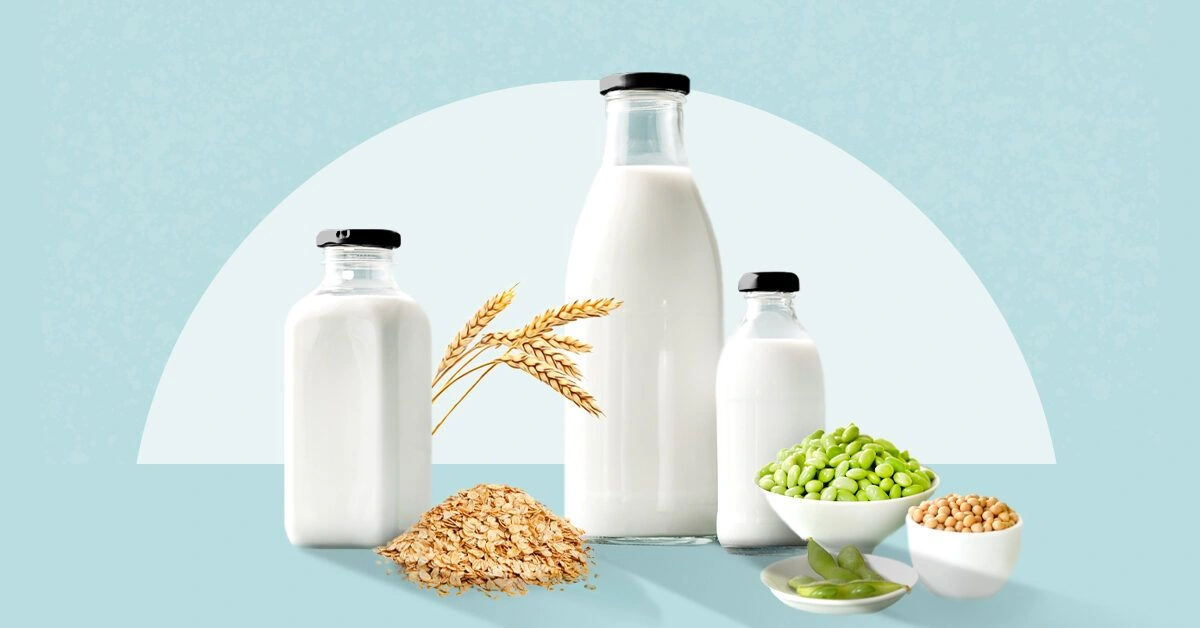
If you’re aiming to shift toward a more plant-focused eating pattern, you’ve likely sampled dairy-free options such as oat milk or Silk Organic Soy milk. These beverages have become staples in many kitchens, especially among people reducing or eliminating animal products.
Over the last decade, plant-based milks have surged in popularity. In 2019, the global plant-based milk market was valued at approximately $14 billion, and projections suggest substantial continued growth by 2029 (1, 2).
Among the wide selection of non-dairy beverages, oat milk and soy milk remain two of the most commonly chosen options. Many individuals use them daily in coffee, tea, breakfast cereal, protein shakes, and smoothies.
But how do they stack up nutritionally? And is one a healthier choice than the other?
This guide explores the nutritional differences, potential health benefits, and drawbacks of oat milk and soy milk—including popular products like Silk Organic Soy milk—to help you decide which option deserves a spot in your refrigerator.

Oat milk and soy milk nutrition
Both oat milk and soy milk deliver valuable nutrients and rank among the higher-protein plant-based milk alternatives available.
Below is a comparison of 1 cup (240 mL) of unsweetened oat milk and unsweetened soy milk (3, 4).
| Soy milk | Oat milk | |
| Calories | 100 | 79 |
| Fat | 5 grams | 1.49 grams |
| Protein | 9 grams | 4 grams |
| Carbs | 5 grams | 14 grams |
| Fiber | 1 gram | 1.92 grams |
| Iron | 8% of the Daily Value (DV) | 6% of the DV |
| Potassium | 8% of the DV | 2% of the DV |
| Calcium | 2% of the DV | 2% of the DV |
Compared with plain, unsweetened oat milk, soy milk contains slightly more calories, significantly more protein and fat, and far fewer carbohydrates. It also provides somewhat higher levels of potassium and iron.
Both beverages surpass many other plant-based drinks—such as almond and coconut milk—in protein content. However, soy milk delivers more than twice the protein found in the same serving of oat milk (5, 6).
Oat milk stands out for its higher carbohydrate content. Because it is produced from whole oats—a naturally carbohydrate-rich grain—it contains more carbs than most other plant milks, including soy (7).
It’s important to note that the products listed above are minimally processed and made with limited ingredients. Many commercial oat and soy milks include added sugars, oils, stabilizers, and are often fortified with vitamins and minerals. These additions can significantly alter the nutritional profile.
If you’re comparing products like Silk Organic Soy milk, always review the ingredient list and Nutrition Facts panel. You can also explore this guide to the Healthiest soy milk brand to better understand what to look for in a high-quality option.
SummaryCompared with unsweetened oat milk, unsweetened soy milk is higher in calories, fat, protein, potassium, and iron, while oat milk contains more carbohydrates.
Do either have health benefits?
If you only add a splash of oat or soy milk to your morning coffee, the overall impact on your health will likely be minimal. However, if you consume these beverages regularly—especially as a primary milk replacement—they can meaningfully contribute to your daily nutrient intake.
Soy milk, including varieties such as Silk Organic Soy milk, is an excellent source of plant-based protein, making it particularly beneficial for those following vegan or vegetarian diets.
One cup (240 mL) of soy milk contains 9 grams of high quality plant-based protein. By comparison, 1 cup (240 mL) of cow’s milk provides 8 grams of protein (3).
Protein is the most satiating macronutrient, meaning it promotes fullness. As a result, soy milk may leave you feeling more satisfied than lower-protein alternatives such as almond milk (8). This can be helpful for appetite control and balanced blood sugar levels.
Soy milk also provides iron and potassium—two nutrients that many individuals, including Americans, do not consume in adequate amounts (9, 10).
Insufficient potassium intake is associated with elevated blood pressure and may negatively influence heart health. Meanwhile, inadequate iron consumption can lead to iron deficiency anemia, which may cause fatigue, weakness, and impaired cognitive performance (11, 12, 13).
Oat milk, although lower in protein and potassium, supplies carbohydrates that serve as a primary energy source for the body. It also contributes a modest amount of iron and naturally occurring beta-glucans from oats, which have been studied for their potential role in supporting heart health.
Fortified plant-based milks significantly increase micronutrient intake because manufacturers add nutrients such as iron, vitamin B12, and vitamin D during processing.
For example, a 1-cup (240-mL) serving of Silk fortified soy milk provides 120% and 15% of the DV for vitamin B12 and vitamin D, respectively (14).
Fortified options are especially valuable for people following vegan diets, as vitamin B12 is found primarily in animal products (15). Regular intake of fortified beverages like Silk Organic Soy milk can help prevent nutrient deficiencies when animal foods are excluded.
SummaryUnfortified soy milk offers substantial plant-based protein and provides potassium and iron. Fortified plant milks contain higher levels of essential vitamins and minerals and are beneficial for individuals following vegan diets.
Potential downsides
Although oat and soy milk can offer nutritional advantages, there are potential drawbacks to consider depending on the specific product you choose.
Some products are high in added sugar
If you don’t intentionally select unsweetened varieties, many plant-based milks contain added sugar to enhance flavor.
Manufacturers may add considerable amounts. For instance, 1 cup (240 mL) of Silk vanilla soy milk contains 8 grams (2 teaspoons) of added sugar, while 1 cup (240 mL) of Oatly chocolate oat milk contains 16 grams (4 teaspoons) of added sugar (16, 17).
Frequent consumption of sweetened beverages can contribute to excessive added sugar intake. Diets high in added sugar are associated with blood sugar imbalances, fatty liver, and high blood pressure (18, 19, 20).
Because oat milk is naturally higher in carbohydrates, individuals with prediabetes or diabetes may prefer lower-carb alternatives such as soy, almond, or coconut milk to better manage blood glucose levels.
Some people are concerned about soy’s effect on health
Soy contains compounds known as phytoestrogens, which have raised concerns among some individuals.
Phytoestrogens bind to estrogen receptors in the body and may exert either antiestrogenic or estrogenic effects—meaning they can block or mimic estrogen activity (21, 22).
Some worry that high soy intake could increase the risk of hormone-related conditions such as breast cancer. However, current research does not support this link.
In fact, evidence indicates that soy consumption is associated with a reduced risk of developing breast cancer in Asian women and may lower breast cancer recurrence in both Asian and Western populations (23, 24, 25).
There is some evidence suggesting that very high soy intake could influence the endocrine system and thyroid function (26, 27).
Because soy may interfere with thyroid hormone production in certain individuals, healthcare professionals sometimes advise those with thyroid conditions to moderate their soy consumption (28).
Concerns over pesticide residue in oat milk
Oat crops are frequently treated with pesticides and herbicides, including glyphosate, a broad-spectrum herbicide (29).
Exposure can occur through foods and beverages containing oat-derived ingredients (30).
The Environmental Protection Agency (EPA) states that glyphosate poses no harmful effects to human health when used appropriately (31).
However, some researchers argue that heavy exposure may negatively impact areas such as reproductive health and that further long-term studies are needed (32, 32).
Consumers who wish to limit exposure may opt for organic oat milk, as glyphosate is prohibited in organic farming (34).
SummarySome oat and soy milks contain added sugar or potential glyphosate residues. Soy’s phytoestrogens may influence thyroid function in certain individuals, so those with thyroid conditions may consider limiting intake.
Uses and other factors to consider
Soy and oat milk are versatile dairy-free alternatives suitable for beverages and cooking. They are commonly used in lattes, cappuccinos, smoothies, oatmeal, soups, baked goods, and chia pudding.
Oat milk tends to have a creamier consistency and slightly sweeter flavor, making it a favorite for coffee drinks.
That said, soy milk’s higher protein and fat content may produce a more stable foam, which some baristas prefer for specialty coffee beverages.
Individuals monitoring carbohydrate intake may lean toward soy milk, as oat milk contains significantly more carbs. Unsweetened Silk Organic Soy milk can be a practical choice for those seeking higher protein with fewer carbohydrates.
As with any plant-based beverage, choosing unsweetened varieties is advisable to reduce added sugar consumption and support overall metabolic health.
SummaryOat and soy milk are widely used dairy alternatives. Oat milk is creamier, while soy milk may foam better for coffee. Oat milk is higher in carbohydrates, and sweetened versions of either can contain substantial added sugar.
The bottom line
Oat milk and soy milk are two of the most popular plant-based milk alternatives, frequently used in coffee, smoothies, cereal, and cooking.
Compared with oat milk, soy milk provides more calories, fat, protein, potassium, and iron, whereas oat milk contains more carbohydrates.
Both can fit into a balanced diet, depending on your nutritional needs and taste preferences. Selecting unsweetened products—such as Silk Organic Soy milk—can help you manage added sugar intake while still enjoying the benefits of plant-based nutrition.
Just one thing
Try this today: Consider experimenting with coconut milk in your coffee. Full-fat canned coconut milk or cashew milk can create a rich, frothy texture for homemade lattes. Full fat canned coconut milk is a personal favorite for achieving a creamy finish.




















Leave a Reply
You must be logged in to post a comment.