
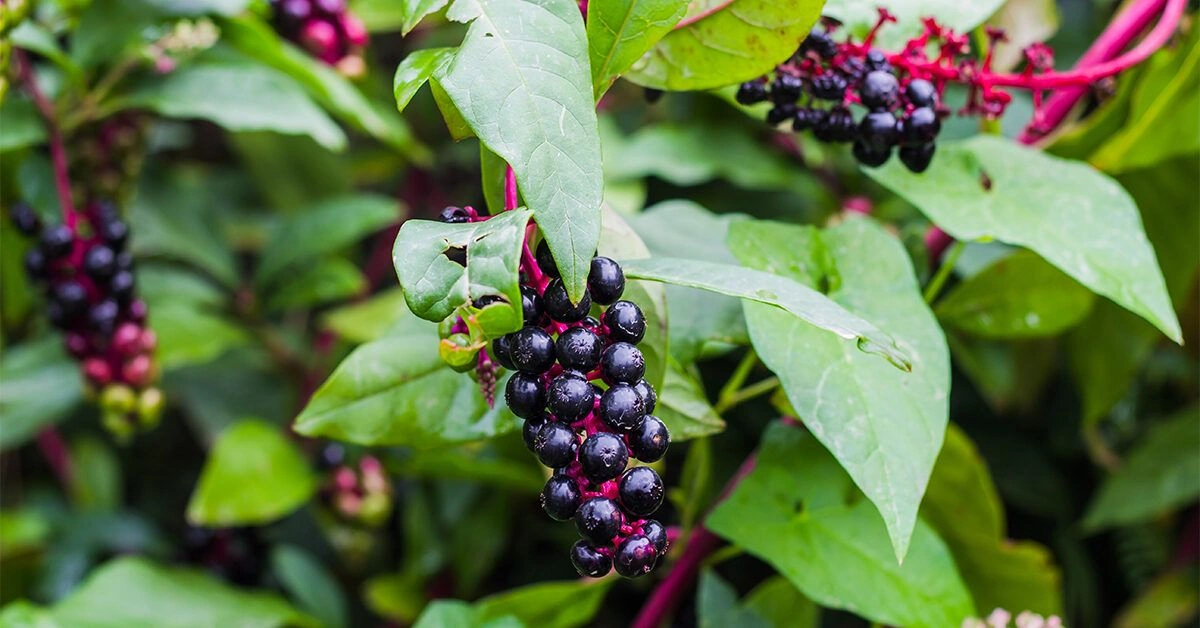
Traditionally, poke root has featured in herbal remedies. Still, every part of the pokeweed plant is poisonous to humans unless processed in a very specific manner.

Poke root (Phytolacca americana) is a flowering shrub with reddish-pink stems and dark purple-black berries. It is native to the southeastern and eastern United States, and it also grows in parts of South America, Europe, and Asia.
At times, it’s cultivated for culinary use or ornamental value.
Poke root goes by several other names, such as:
- pokeweed
- pokeberry
- inkberry
- American nightshade
- American scoke
- pigeonberry
- red plant
- pocan
Historically, people have used poke root in cooking, traditional medicine, and as a dye for fabrics and wine. Despite these customary applications, the entire plant is toxic to humans. It must be cooked just right to lower its toxicity or have its active ingredients extracted under laboratory conditions. Experts advise against ingesting poke root or any portion of the pokeweed plant.
Below we review what scientific studies say about poke root, its adverse effects, and its possible uses.
Can poke root combat cancer?
Scientists have examined particular compounds from the pokeweed plant, including those found in the roots, by isolating them in laboratory settings.
According to a 2023 study, earlier in vitro research indicates that when extracted, some of these bioactive molecules may have anticancer and antifungal activity:
- Breast cancer: The authors note that one compound, esculentoside A, might hamper breast cancer growth, while another, esculentoside H, could impede the migration of human cancer cells.
- Colon cancer: The review also references prior studies suggesting that compounds isolated from pokeweed seeds—americanin A and isoamericanol A—may exert anticancer effects against colon and breast cancers.

In addition, the 2023 team experimented with cultivating pokeroot in controlled conditions to boost these beneficial constituents, building on an earlier 2022 study. Their findings imply that pokeweed roots grown under specific laboratory conditions may contain higher levels of these compounds than roots harvested from the wild or those sold as herbal supplements.
Further investigation into pokeweed and its potential anticancer constituents is required. A compound’s behavior in a test tube or animal model does not necessarily predict how it will perform in the far more complex human body.
Future research needs to address:
- the possible anticancer activity of poke root
- how its effects compare with existing therapies
- whether any benefits translate to humans
- what safe and effective dosing might be
Pokeweed is not unique in containing bioactive constituents with anticancer potential. Read about foods that contain anticancer compounds.
Does poke root help mastitis?
In some herbal traditions, poke root is used for inflammatory issues and breast conditions such as mastitis.
Mastitis is inflammation of breast tissue and most commonly affects people who are breastfeeding.
Advocates claim poke root can help because of purported anti-inflammatory effects.
However, evidence does not support this application. The roots and other parts of the pokeweed plant contain toxins that can harm humans.
It’s safer to rely on treatments backed by scientific evidence for mastitis and other inflammatory ailments.
Mastitis is often caused by a bacterial infection and usually requires antibiotics. Alongside prescribed medication, over-the-counter anti-inflammatory drugs and warm compresses can more reliably ease pain and swelling.
Learn about herbal options that may relieve mastitis symptoms.
Does poke root offer other health benefits?
Over time, various parts of the pokeweed plant have been used to make remedies such as:
- salves
- oils
- tinctures
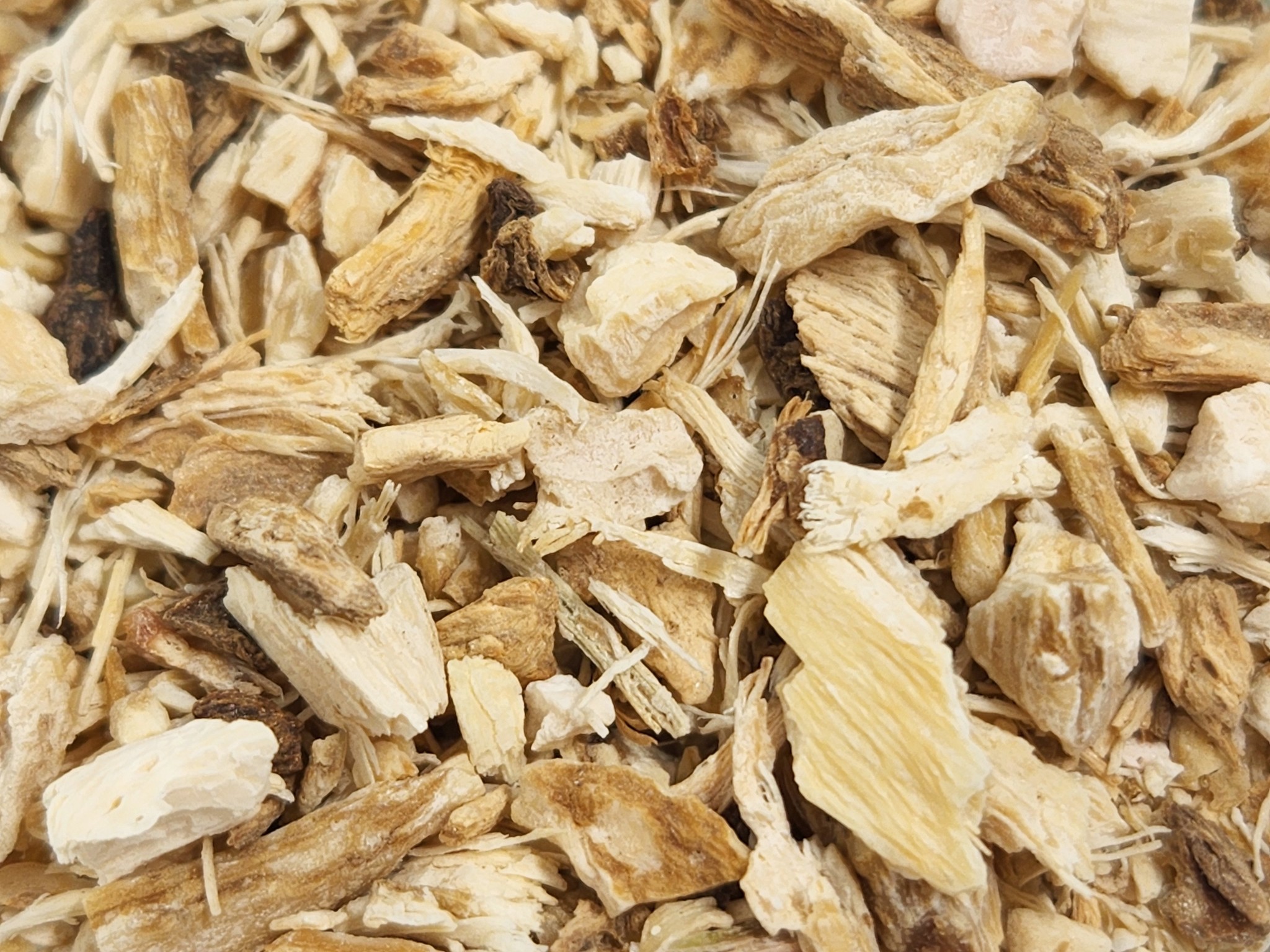
People have also boiled the leaves to prepare herbal tea or “sallet,” a traditional Southern U.S. dish, as boiling is thought to reduce toxicity and render the leaves safe.
Nevertheless, most claimed benefits of poke root are anecdotal. Poke root supplements or cooked plant parts have not been proven to treat any of the following conditions in humans:
- cancer
- sore throat
- bone pain from syphilis
- diphtheria
- tonsillitis
- rheumatoid arthritis
- rashes
- gastrointestinal disorders
- infections
- fibroids
- eczema
- acne
- boils
- enlarged thyroid
Is poke root toxic?
The entire pokeweed plant is poisonous to humans, with the berries being the most hazardous part. Contact with plant material can also provoke symptoms.
Pokeweed is toxic to dogs and other animals as well—keep pets away from it. Note that some native U.S. bird species eat the berries.
In humans, ingesting or applying pokeweed can cause symptoms such as:
- nausea
- vomiting
- abdominal cramps
- diarrhea
- weakness
- vomiting blood
- low blood pressure
- rapid heart rate
Large doses may produce:
- muscle spasms
- breathing difficulties
- bloody diarrhea
- seizures
- severe nausea
In uncommon instances, very high doses of poke root can be fatal.
If you are breastfeeding, do not apply poke root products to your breasts—it’s unsafe for nursing infants to ingest poke root.
Takeaway
Poke root is a traditional herbal remedy promoted for cancer, infections, and inflammation, but current studies have been limited to cell cultures or animal models. Its claimed benefits remain unproven in humans.
Raw poke root is poisonous. Ingesting or applying the plant can produce adverse effects, including severe nausea or diarrhea. It should not be consumed unless processed correctly.
If you’re considering using poke root, exercise caution. Avoid it during pregnancy and while breastfeeding.
Read about herbal remedies commonly used around the world.





















Leave a Reply
You must be logged in to post a comment.