

Baking soda, probiotics, and antifungal creams are among the home approaches that may help calm vaginal itching, though each carries a potential risk of irritation or allergic reaction.
Vaginal itching is a common and uncomfortable symptom that can stem from many different causes. If you’re searching for How to stop itching down there immediately, it’s important to first understand what might be triggering the irritation. The discomfort could result from vaginal dryness or exposure to chemical irritants, such as those found in scented soaps. In other cases, itching may be linked to a yeast infection, bacterial vaginosis, a sexually transmitted infection (STI), or another underlying medical issue.

Although many people turn to home remedies in hopes of quick relief, scientific evidence supporting some of these treatments remains limited. More high-quality research is needed to confirm their effectiveness and safety for soothing vaginal irritation.
Language matters
You’ll notice the terminology used to present statistics and other data points is fairly binary, often alternating between “male” and “female” or “men” and “women.” While we generally try to use more inclusive language, specificity is sometimes necessary when discussing research participants and clinical outcomes.
What causes vaginal itching
Vaginal itching is frequently associated with one of the following common conditions.
Yeast infection
If you have a vagina, there’s a strong likelihood you’ll experience a yeast infection at some point.
Candida, a naturally occurring microorganism found in the vaginal area, is responsible for yeast infections. Shifts in medications, hormonal changes, or exposure to certain soaps or sprays can increase your risk.
Although Candida is normally present in healthy vaginas, an overgrowth can lead to a yeast infection. This overgrowth often causes intense itching or a burning sensation. A thick, white discharge resembling cottage cheese is another hallmark symptom.

Bacterial vaginosis
Your vagina naturally contains bacteria that help maintain balance and health. When this balance is disrupted, certain bacteria — most commonly Gardnerella vaginalis — may multiply excessively. Douching, not using condoms or other barrier methods, and having multiple sexual partners can increase the risk of bacterial vaginosis.
Bacterial vaginosis typically causes a strong, fishy odor, burning during urination, and a gray, white, or green vaginal discharge.
Vaginal dryness
Vaginal dryness is a symptom linked to several conditions and hormonal changes. When tissues lack adequate moisture, you may notice itching inside the vagina. Dryness can also make sex or masturbation uncomfortable due to increased friction, which may further irritate delicate skin.
Using water-based lubricants can help ease dryness. Estrogen creams may also improve vaginal dryness and itching in certain individuals.
If dryness is ongoing, it’s a good idea to consult a doctor for evaluation and tailored treatment.
Exposure to irritants
The vulvar and vaginal skin is highly sensitive. Chemicals in pads, intimate washes, deodorant sprays, and similar products can cause irritation and itching. For this reason, many experts suggest washing the vulva with warm water only.
You might also develop an allergic reaction to ingredients in feminine hygiene products or menstrual supplies. If you suspect irritation from a pad, try switching brands or consider tampons or a menstrual cup.
Skin conditions
Dermatological conditions can affect the pubic region and vulvar skin, leading to persistent itchiness.
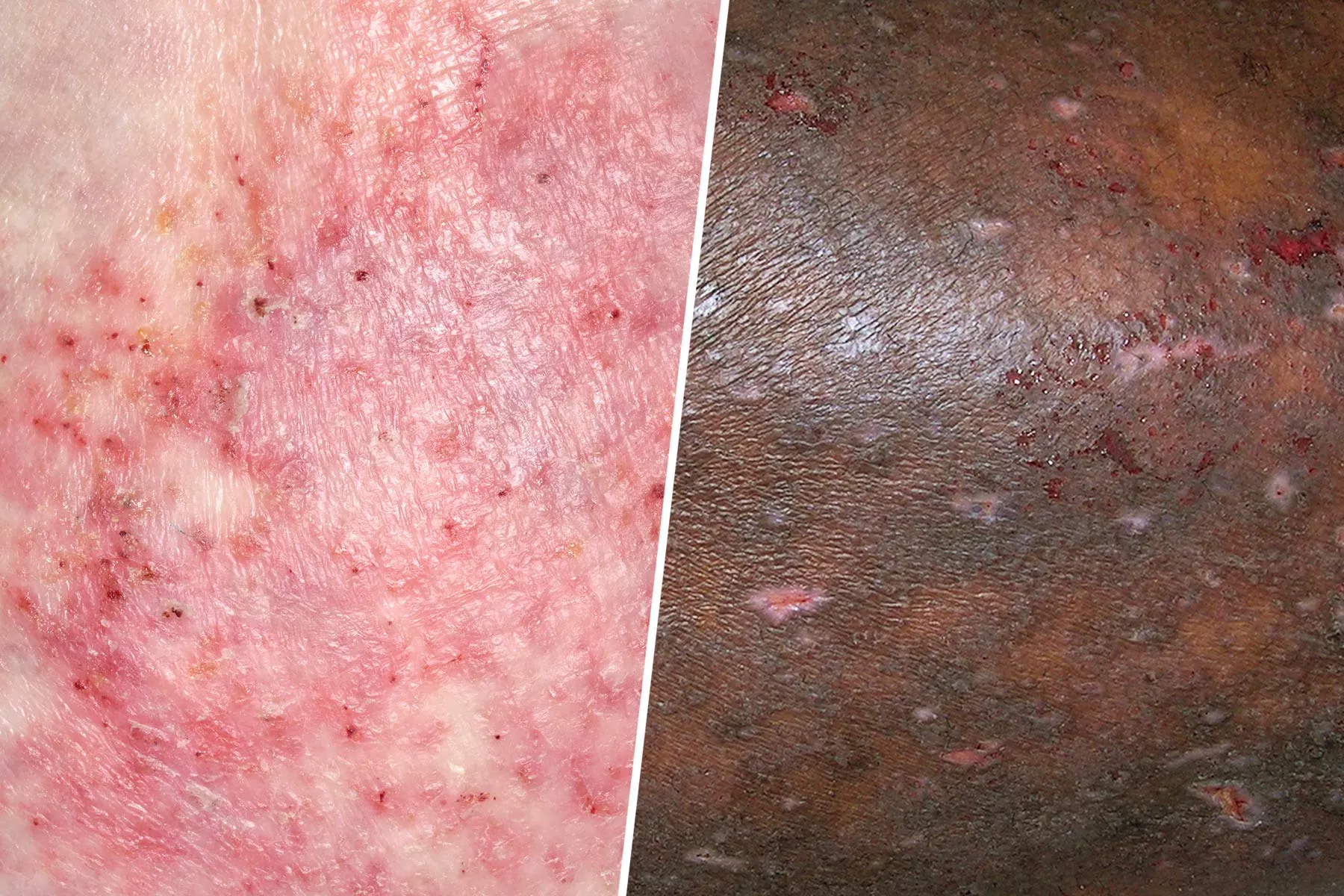
Examples include:
- eczema
- dermatitis
- psoriasis
- scabies
- hives
- dry skin
If you believe a skin disorder is contributing to your symptoms, seek guidance from a doctor or dermatologist.
Low estrogen levels
Low estrogen levels are more frequently seen in young and perimenopausal females, though they can occur at any stage of life.
Estrogen is essential for maintaining vaginal secretions, which lubricate the vaginal walls and reduce friction during intercourse. When estrogen drops, natural lubrication decreases, often resulting in vaginal dryness, irritation, and itching — particularly during sex.
Additional symptoms of low estrogen may include irregular or missed periods, fatigue, and hot flashes.
STIs
Several STIs can produce vaginal itching, including:
- chlamydia
- genital warts
- gonorrhea
- genital herpes
- trichomoniasis
- pubic lice
These infections require medical treatment. If you suspect you may have an STI, contact a healthcare professional promptly.
Possible home remedies for vaginal itching
If you’re wondering How to stop itching down there immediately, certain at-home strategies may provide temporary relief, especially if a yeast infection is the cause.
Keep in mind that home remedies are not a replacement for professional medical care. If symptoms persist, worsen, or recur frequently, consult your doctor for proper diagnosis and treatment.
Baking soda bath
Baking soda baths may help relieve yeast infections and some itchy skin conditions.
A 2012 study suggested baking soda has antifungal properties. A 2014 study found that baking soda destroyed Candida cells, the same cells responsible for yeast infections.
The National Eczema Foundation recommends adding 1/4 cup of baking soda to bathwater or creating a paste to apply to affected skin for eczema. Research also indicates baking soda baths may help manage psoriasis symptoms.
Try this: Baking soda bath
- Add between 1/4 cup and 2 cups of baking soda to warm bathwater and allow it to dissolve fully.
- Soak for 10–40 minutes.
Greek yogurt
Greek yogurt is frequently used as a home remedy for yeast infections. Many varieties contain the probiotic Lactobacillus acidophilus, which may help improve vaginal yeast infections.
Probiotic yogurt supports the growth of beneficial vaginal bacteria. These “good” bacteria may help control yeast overgrowth and maintain a healthy balance.
An older 2012 study of 129 pregnant women with yeast infections found that a yogurt and honey mixture was more effective than OTC antifungal medication. Similarly, a 2015 study involving 70 nonpregnant women reported comparable findings.
Try this: Greek yogurt
- Insert plain Greek yogurt into the vagina to help soothe itching.
- Alternatively, coat a tampon with yogurt before insertion.
- Wear a pad to protect clothing.
- Choose plain yogurt without added sugar or flavors.
Cotton underwear
If you experience vulvar or vaginal discomfort, breathable fabrics can make a difference. Wearing 100% cotton underwear improves airflow and reduces moisture buildup, which may help prevent yeast overgrowth.
Probiotic supplements
Probiotics can increase levels of beneficial bacteria in both the vagina and gut. Capsules and tonics are widely available in pharmacies and health stores.
Some doctors recommend probiotics alongside antibiotics to help preserve bacterial balance. Eating probiotic-rich foods offers similar support. You can also learn more practical strategies in this guide on How do I make my private area stop itching.
Coconut oil
Research suggests coconut oil may help eliminate Candida albicans. Some products are available as suppositories.
Coconut oil precautions
- Coconut oil may break down latex condoms.
- It may increase the risk of yeast or other vaginal infections.
- Skin irritation is possible.
If you’re considering petroleum-based products for soothing dryness, review this resource on Can I put vaseline on my private area for itching to understand potential risks and benefits.
Antifungal cream
OTC antifungal creams and vaginal suppositories can treat yeast infections by eliminating excess yeast and reducing itchiness. Wearing a panty liner during use may help protect clothing.
Cortisone cream
If itching occurs after shaving pubic hair, cortisone cream may provide relief. It can also help manage eczema, allergic reactions, and certain rashes. Apply only to the external skin — never inside the vagina.
Probiotic foods
Foods rich in probiotics promote healthy vaginal and gut flora. Options include:
- yogurt
- kombucha
- kimchi
- sauerkraut
- miso
Hygiene
Maintaining proper hygiene can both prevent and relieve vaginal itching. Often, less is more. The vagina is self-cleaning, so washing the vulva gently with warm water is usually sufficient.
Avoid scented soaps, gels, douches, and intimate cleansers unless specifically advised by a doctor. Overwashing or douching can disrupt natural vaginal flora and worsen irritation.
When to see a doctor
Seek medical care if you experience:
- pain or burning during sex or urination
- pelvic or genital pain
- redness, swelling, or discoloration
- blisters or unusual sores
- green, yellow, or gray discharge
- frothy or cottage cheese–like discharge
- a strong, unpleasant odor
A doctor may review your medical history, discuss symptoms, and perform a pelvic exam.
If you don’t have an OB-GYN, the Healthline FindCare tool can help you locate one nearby.
Things to avoid
There is a great deal of misinformation online about treating vaginal itch. Some remedies are not recommended by experts.
Douches and feminine hygiene sprays
Fragranced sprays and douches can aggravate sensitive genital skin and disrupt vaginal flora. Most healthcare professionals advise against douching unless prescribed.
Scented clothing detergents
Perfumes and synthetic additives in laundry detergents can trigger itching. Checking ingredient labels and opting for fragrance-free products may reduce irritation. The Environmental Working Group (EWG) provides consumer safety information on many brands.
Talcum powder
Although once widely used to control moisture, some studies have suggested a possible link between talc and ovarian cancer, though research results are mixed. Until clearer evidence is available, it may be safer to avoid talc for vaginal itching.
How to prevent vaginal itching
Preventive steps can lower your risk of STIs, bacterial infections, and yeast infections — all common causes of itching.
To reduce STI risk:
- Get tested with new partners before sexual activity.
- Use barrier methods such as condoms or dental dams.
- Use condom-safe lubricants and avoid oil-based products with latex condoms.
- Ensure condoms are used correctly.
- Clean sex toys before and after use.
To prevent bacterial vaginosis and yeast infections:
- Eat probiotic-rich foods.
- Consider probiotic supplements.
- Wear cotton underwear.
- Wash underwear in hot water.
- Change menstrual products regularly.
- Avoid douches and fragranced products.
- Change out of wet clothing promptly.
- Limit time in hot tubs or hot baths.
Additional supportive foods include pure cranberry juice for urinary health, sweet potatoes, and leafy greens that may improve circulation and reduce vaginal dryness.
Takeaway
If you’re wondering How to stop itching down there immediately, identifying the root cause is key. Remedies such as Greek yogurt, probiotics, antifungal creams, and lifestyle adjustments may provide relief, depending on the underlying issue.
However, persistent, severe, or unexplained symptoms warrant medical evaluation. A healthcare professional can help determine the cause and recommend the safest, most effective treatment for lasting comfort and vaginal health.


















Leave a Reply
You must be logged in to post a comment.