
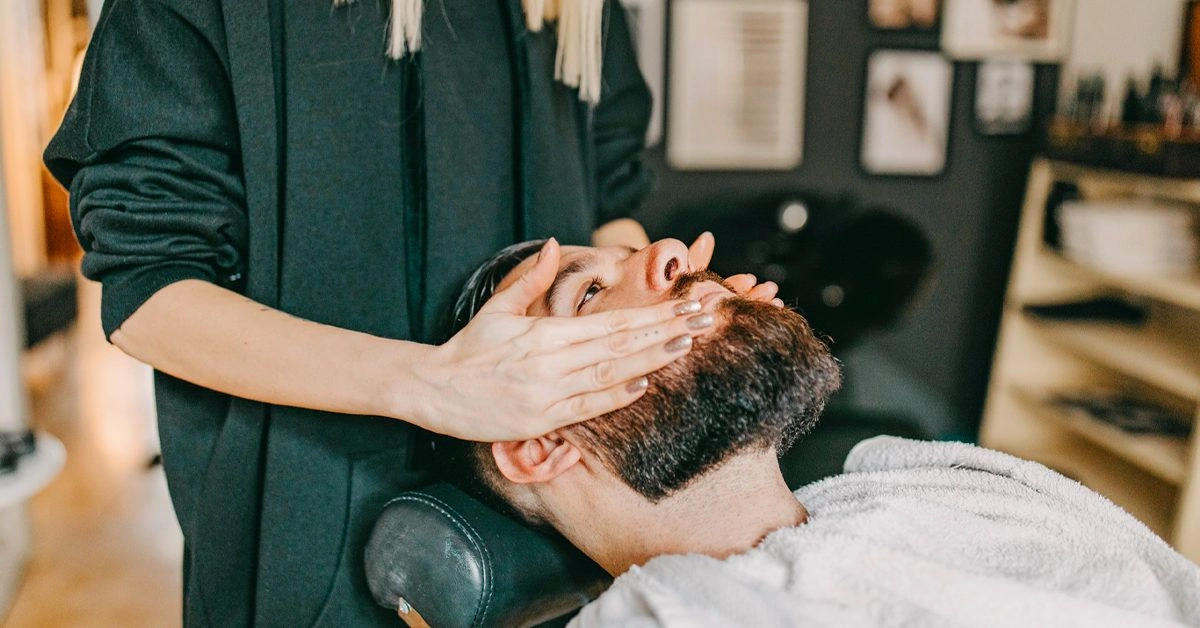
For many men, growing a beard isn’t simply a matter of skipping the razor and waiting. Facial hair often comes in unevenly, leaving patchy areas rather than a full, stylish beard.
Some men inherit genes that make substantial beard growth difficult or nearly impossible.
Just as hair can be transplanted to the scalp to address a receding hairline, facial hair can be restored through a beard transplant when native beard follicles aren’t cooperating.
A physician will evaluate your skin and donor hair to determine candidacy, and you’ll need to weigh whether the cost is worth the outcome.
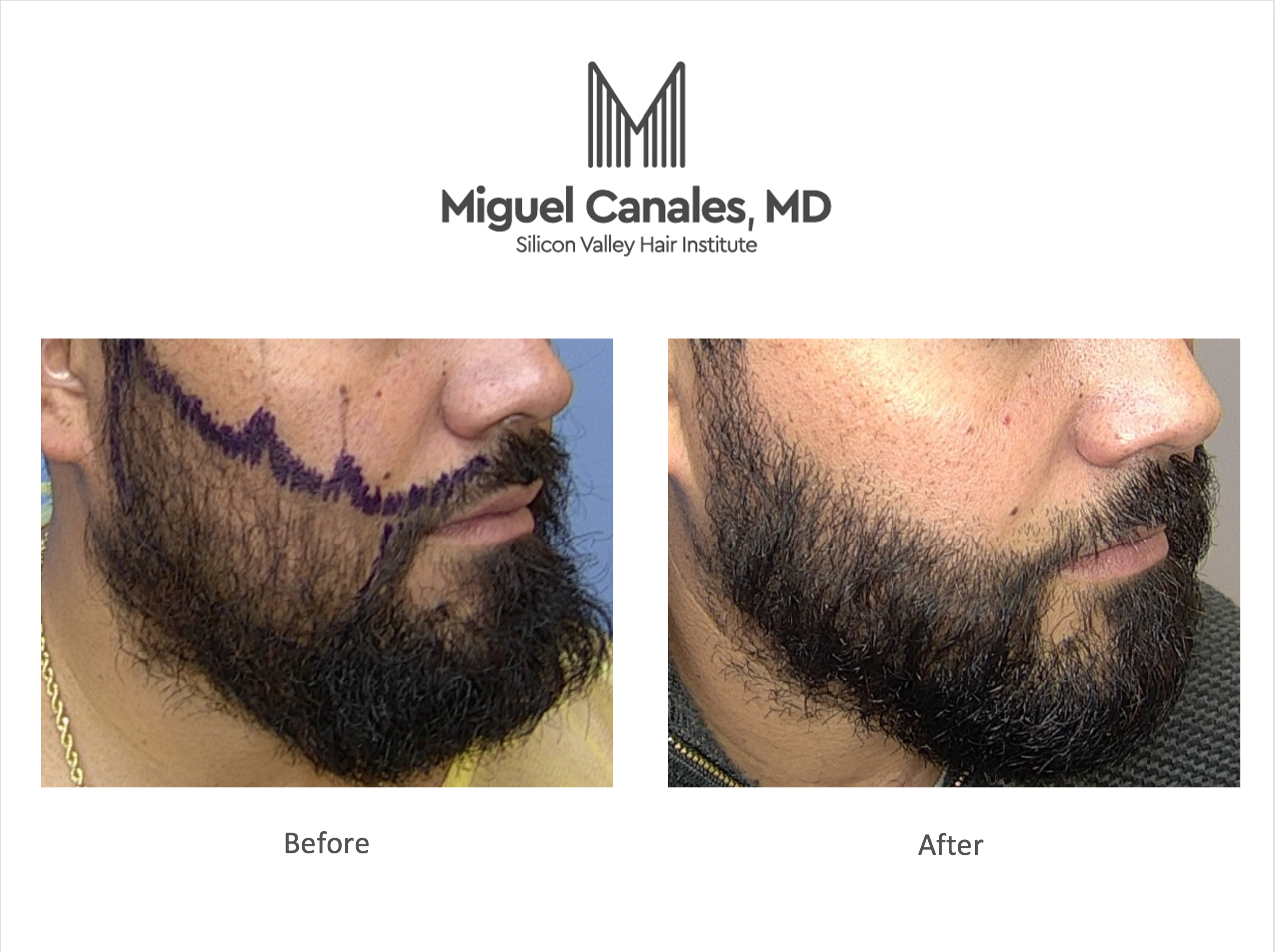
Like any surgical intervention, outcomes aren’t guaranteed. There’s always a chance of noticeable scarring from a beard transplant.
Still, if you locate an experienced provider, it may be worthwhile to consider whether a few hours in a clinic can give you a lasting beard.
What is a beard implant?
A beard transplant involves moving hair from another area of your body to your jawline and wherever you want facial hair to grow.
Though it sounds straightforward, the procedure is fairly detailed. Surgeons generally use one of two primary techniques:
- Follicular unit extraction (FUE). Individual follicular units are removed one at a time from the donor zone. FUE typically causes less discomfort and is a commonly chosen method.
- Follicular unit transplantation (FUT). A narrow strip of tissue is excised from the back of the head, and follicles are extracted from that strip.
A follicular unit is a cluster of hair follicles that may emerge through the skin from a single opening.
Both methods usually involve harvesting between 2,000 and 5,000 grafts or more from the back of the head—generally around ear level or slightly lower—and implanting them into the face.
In this context, a graft is a transplanted hair follicle.
What’s the procedure like?
Below is a summary of the main steps involved in a beard transplant:
Harvesting
Whether you opt for FUE or FUT, the surgeon will shave the donor area on your scalp to visualize follicles clearly.
A local anesthetic is administered before harvesting so you won’t feel the removal or the placement of follicles.
Implantation
After harvesting, the surgeon numbs the facial recipient sites and places each follicle into your facial skin, sculpting the beard according to the plan you and the surgeon agreed upon.
Recovery
Expect roughly a day of immediate recovery from the transplant. Tiny crusts may develop around each implanted follicle but generally flake off within a few days.
Around a week to 10 days after surgery, you should be able to shave and trim your new beard.
One caution: the transplanted hairs often shed after 2 to 3 weeks. This shedding is normal, and new hairs typically grow in to replace them.
Who’s a good candidate for this procedure?
Because donor follicles are taken from the back of the head, you need healthy hair growth in that region.
The back of the scalp is usually among the last areas affected by balding, so even men with thinning on top frequently retain good donor hair at the back.
Your transplant surgeon will inspect your scalp to determine whether there are sufficient follicular units for transplantation.
If there aren’t enough donor follicles, your doctor may suggest other treatment options.
How do you know that a beard implant is successful?
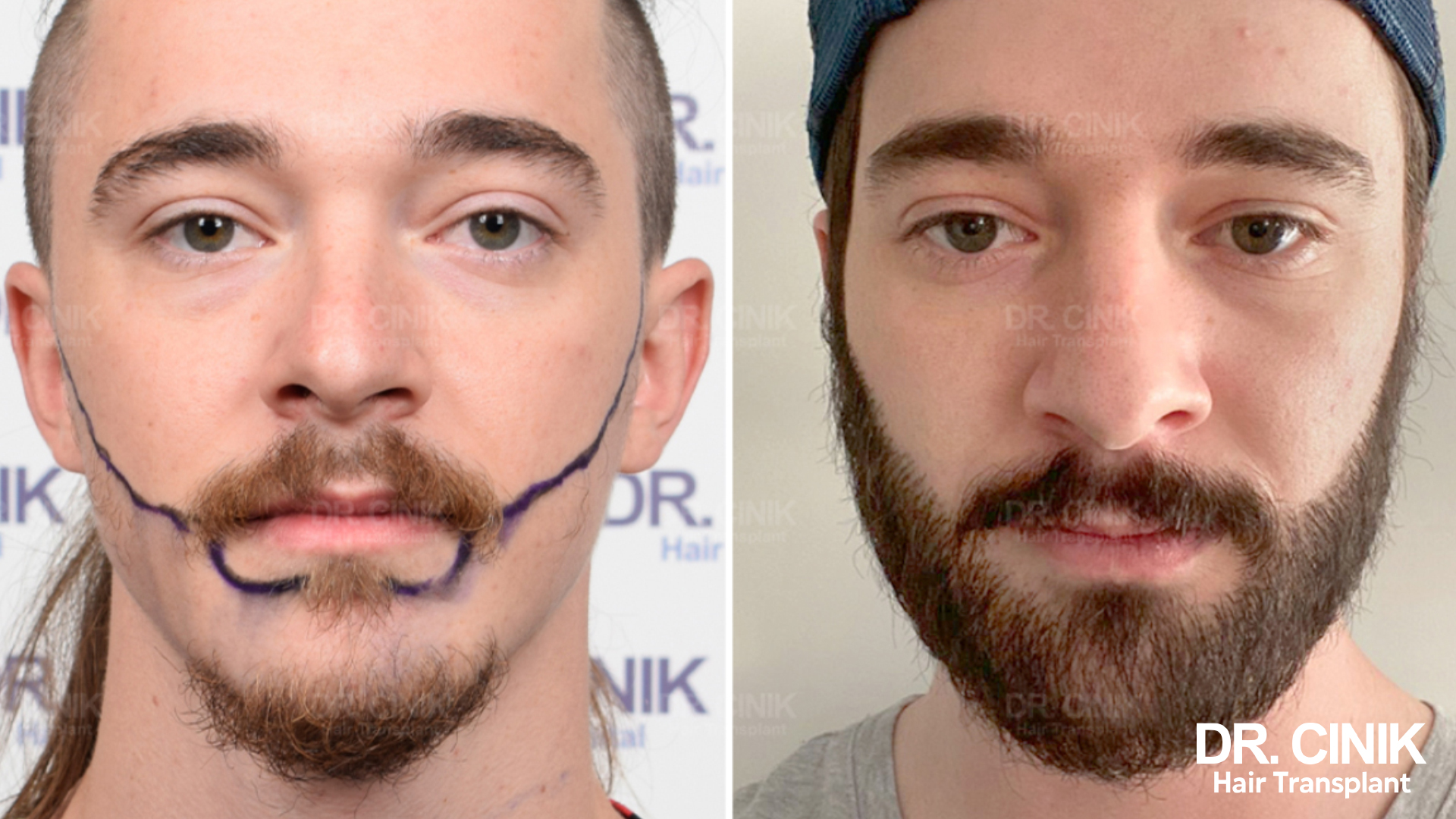
Regardless of technique, transplanted follicles should settle and begin growing within 3 to 4 months.
You’ll likely consider the transplant successful if, by 8 to 9 months, you have a full, healthy beard that behaves like native facial hair.
Both FUE and FUT can yield natural-looking beards, though FUT often produces a denser result.
This density advantage stems from the fact that removing a strip usually provides more follicles. If a thicker beard is your aim, FUT may be preferable.
Beard transplant failures are uncommon and usually result from poor harvesting technique. That’s why choosing a skilled hair restoration surgeon is worth the investment.
Are there any precautions or side effects to be aware of?
After surgery, both the donor site on your scalp and the recipient sites on your face require special care and should be kept clean.
Home care instructions
Your doctor will provide aftercare guidance, which may include applying antibiotic ointment to the scalp and face.
For the first several days you should avoid activities such as:
- swimming
- direct sun exposure
- smoking
- using saunas or hot tubs
- intense exercise that causes sweating
- touching, rubbing, or scratching the donor or implant areas
You may be told to refrain from washing your face for a few days or to avoid scrubbing. The skin will be sensitive and itchy, so to prevent irritation or infection, leave it alone as much as possible.
Potential side effects
Your face and scalp may temporarily experience:
- swelling
- redness
- a feeling of tightness
- numbness
- temporary scabs or crusting
Scarring at the donor site is common, but often concealed by surrounding hair. FUE results in many tiny, typically inconspicuous scars, while FUT creates a single linear scar across the back of the head.
The recipient sites on your face generally won’t scar, though there will be temporary crusts. If crusting, redness, swelling, or irritation persists beyond a couple of weeks, contact your surgeon.
How much does a beard implant cost?
Beard transplants can be expensive. Costs may exceed $15,000 depending on the number of grafts needed. Partial procedures to fill sparse areas often range from about $3,000 to $7,000, again based on graft count. Discuss pricing during your initial consult.
Your surgeon will need to evaluate your scalp and face before the operation to confirm candidacy. Consultation fees may apply depending on the clinic—ask about this when booking.
Because beard transplants are elective cosmetic surgeries, they are not covered by insurance. Many clinics offer payment plans, so inquire about financing options.
How to find a qualified provider
Seek an experienced hair restoration surgeon.
Given the expense, potential for complications and scarring, and the desire for natural results, don’t cut corners by choosing a less experienced or cheaper practitioner.
Subpar technique can lead to infected follicles or failed grafts and permanent loss of implanted hair.
Check whether the surgeon is certified by the American Board of Hair Restoration Surgeons.
Certification indicates the doctor has logged extensive training and clinical experience.
During your consultation, ask questions such as:
- Do you specialize in beard transplants?
- How many years have you performed these procedures, and how many have you done?
- Do you offer both FUE and FUT? What is your experience with each?
Personal recommendations and before-and-after photos are helpful. If you know someone who’s been treated by a particular surgeon, ask about their experience and results.
To locate a certified hair restoration physician, visit https://abhrs.org/find-a-physician/.
What are the alternatives to beard implants?
If a transplant feels too invasive or costly, consider other options.
Minoxidil (Rogaine)
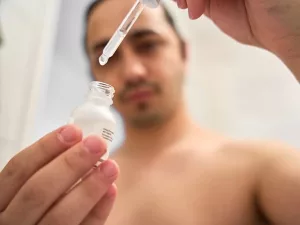
Minoxidil (Rogaine) is commonly used for scalp hair loss but can also stimulate facial hair growth. It’s available as a topical liquid and foam.
A downside is that once you discontinue use, any stimulated growth typically slows and then stops.
about minoxidilMinoxidil was originally developed to lower blood pressure. One possible side effect is lowering blood pressure, so consult your doctor if you have cardiovascular issues or are on blood pressure medications.
Supplements
Supplements such as the B vitamin biotin may support healthier hair growth and help the beard.
Another supplement, L-carnitine-L-tartrate, has shown potential to promote hair growth on both the scalp and face.
Lifestyle behaviors
Although genetics largely determine beard growth, certain lifestyle habits can support faster or healthier facial hair development:
- Exercise to boost circulation and support follicle health.
- Eat a balanced diet rich in lean protein, zinc, iron, whole grains, and fruits and vegetables that provide vitamins A, B, C, D, and E.
- Aim for 7 to 8 hours of sleep per night.
Takeaway
Beard transplant surgery can fill in gaps or create a beard where little or none grew before. It’s invasive and costly, but the results can be long-lasting.
Depending on the method, you may have a single linear scar on the back of your head that hair can conceal or many minute scars that are hard to notice.
If you prefer not to undergo surgery, topical treatments like minoxidil or dietary supplements are alternatives.
Whatever route you consider, discuss risks and benefits with your physician first. Your genetics may limit natural beard growth, but there are options if you want facial hair in your future.

















Leave a Reply
You must be logged in to post a comment.