
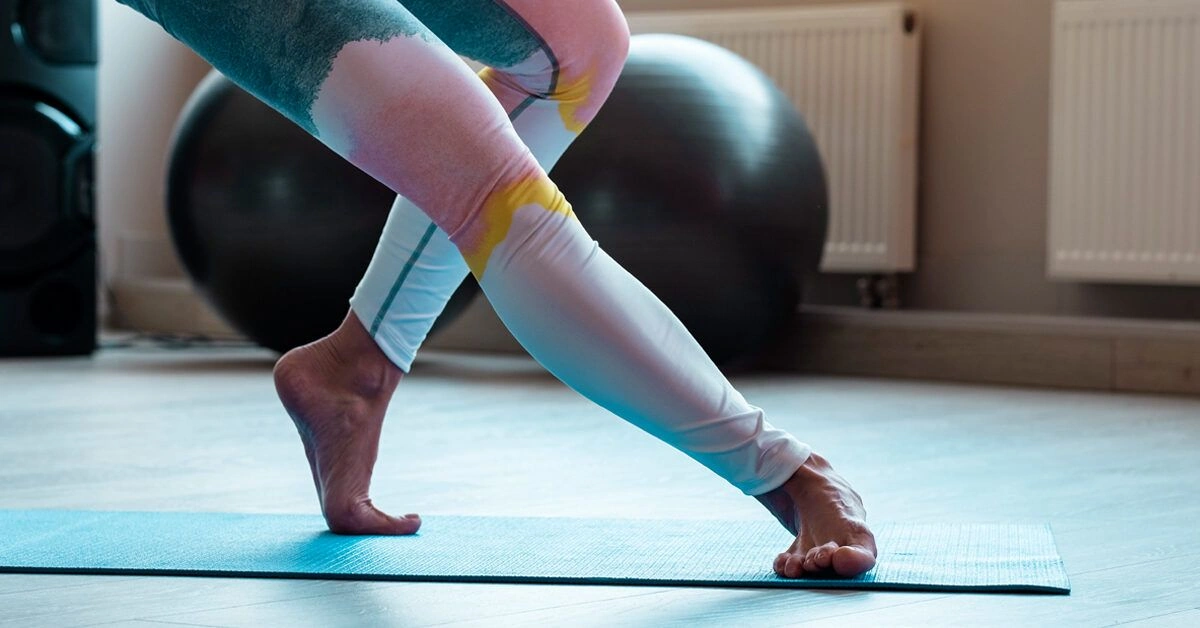

Corns are patches of thickened, hardened skin that typically form on the feet or toes as a response to ongoing pressure or friction. When reviewing Pictures of soft corns on feet, it’s helpful to understand that repeated mechanical stress is the primary trigger behind these skin changes.
Several factors can increase your likelihood of developing corns on your feet, including:
- repetitive activities
- shoes that don’t fit you properly
- foot conditions like bunions or hammer toe
There are different types of corns, including:
- hard corns
- soft corns
- seed corns
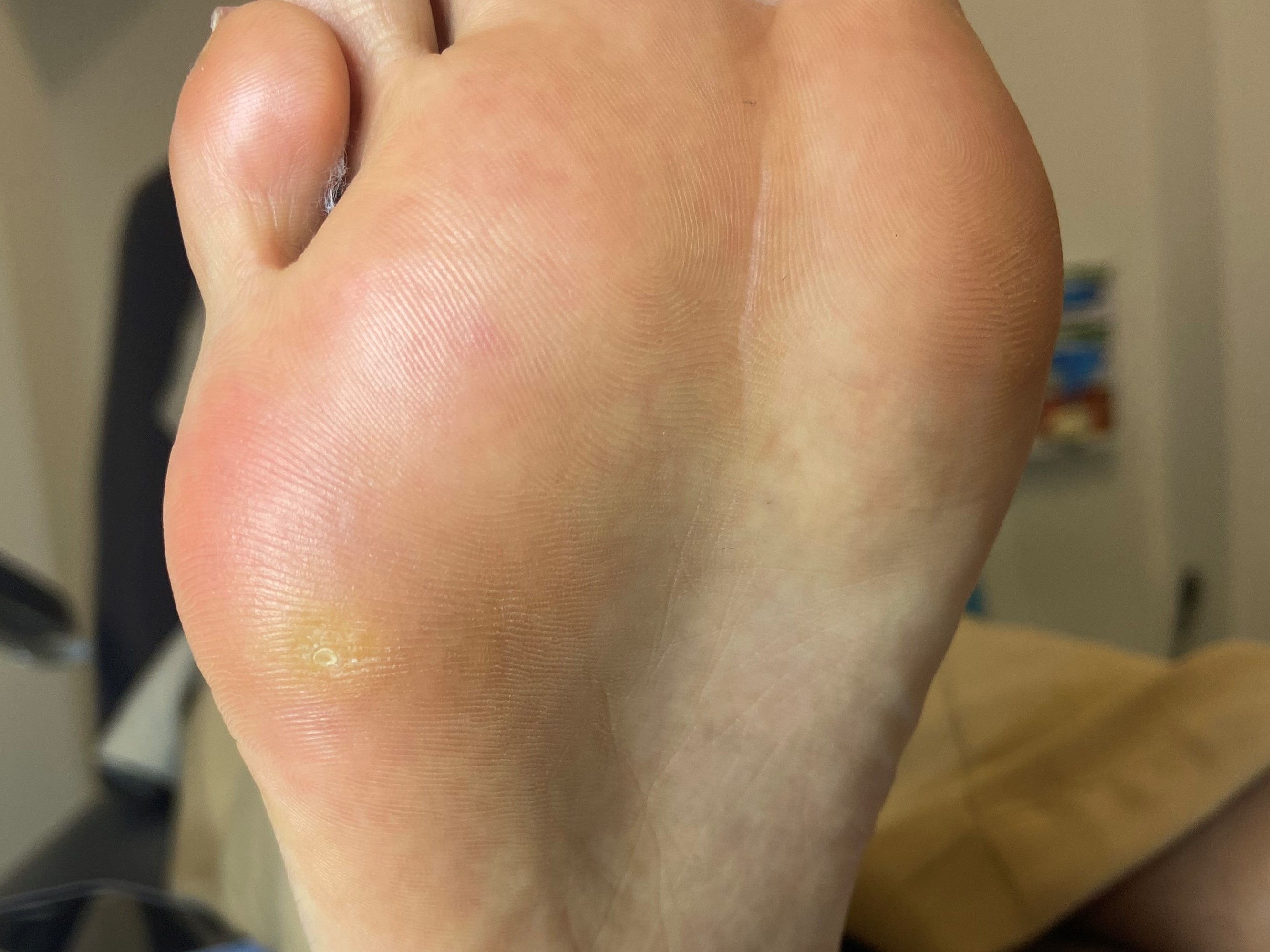
Seed corns are tiny corns that may appear on the soles of the feet. At times, they can be mistaken for other foot lesions, such as calluses or plantar warts, especially when comparing them in clinical images. Looking at What does a corn look like pictures can provide additional visual guidance for identifying subtle differences.
Keep reading to explore more about seed corns, available treatment options, and how to distinguish them from other common foot conditions.
What is a seed corn?
A seed corn is a very small variety of foot corn. Similar to other corns, it develops in response to consistent pressure and friction. Dry skin is also closely linked to their formation. The medical term for seed corns is heloma miliare.
Additional characteristics of seed corns include:
- hard, well-defined, circular spots of skin that are smaller than other types of corns
- found on the sole (bottom) of your foot, typically in multiples
- often asymptomatic, but can cause discomfort or pain when pressure is applied or when they occur in weight-bearing areas
Because they frequently develop on weight-bearing areas, seed corns may become noticeable during walking, running, or prolonged standing. Although small, their clustered appearance can make them feel more irritating than a single larger corn.
What’s the difference between a seed corn and a callus?
Calluses are also areas of thickened skin that arise due to repeated friction or pressure. They can resemble corns in texture and color, which sometimes makes self-diagnosis challenging.
Here are several features that can help differentiate a callus from a corn:
- Size. Calluses are generally larger than corns, especially seed corns.
- Shape. Seed corns (and other types of corns) are usually round and clearly defined, while calluses may have irregular shapes and less distinct borders.
- Location. Calluses commonly develop on weight-bearing parts of the foot, such as the heel or the ball of the foot.
- Pain. Calluses are rarely painful. However, if the skin becomes cracked, discomfort can occur.
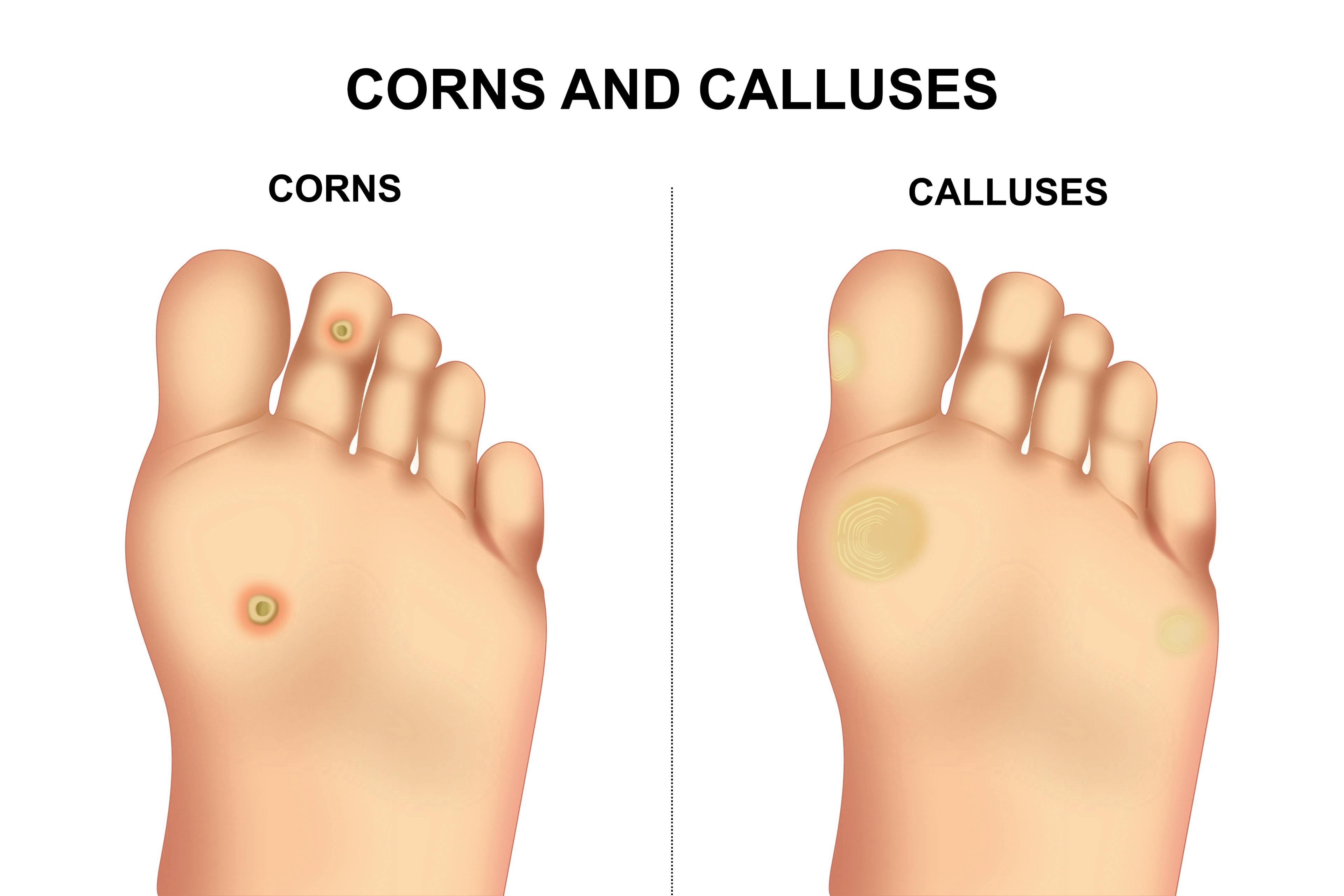
Examining Pictures of hard corns on feet alongside Pictures of soft corns on feet can further clarify how texture and depth vary among these conditions.
What’s the difference between a seed corn and a plantar wart?
A plantar wart is a wart that forms on the sole of the foot. Plantar warts result from infection with specific types of human papillomavirus (HPV).
Seed corns and plantar warts can appear quite similar, both presenting as firm, thickened patches of skin. In addition, each may cause tenderness when pressure is applied while standing or walking.

Due to these similarities, telling them apart can be difficult. Consider the following distinctions:
- Size. Plantar warts may start small but can grow larger over time. Seed corns remain small.
- Skin lines. The natural lines and creases on the bottom of the foot remain visible with seed corns. Plantar warts interrupt these skin lines.
- Tiny dots. Plantar warts frequently contain tiny brown or black dots within them.
If there is uncertainty about whether a lesion is a seed corn or a plantar wart, a doctor may perform a biopsy by taking a small skin sample and examining it under a microscope.
Pictures of seed corns, plantar warts, and calluses
This image gallery provides pictures of seed corns, plantar warts, and calluses to help you determine what may be present on your foot. Comparing high-quality Pictures of soft corns on feet with other lesions can be especially useful for visual learners trying to understand subtle dermatologic differences.
How is a seed corn treated?
If seed corns develop on your feet, several at-home strategies may help manage and reduce them:
- Reduce thickened skin. You can gradually thin the hardened skin caused by seed corns. Filing. A pumice stone or emery board can be used to gently file away layers of thickened skin. Take care not to remove too much skin to avoid injury. Over-the-counter medications. These treatments often contain salicylic acid and are available as liquids or medicated pads. Avoid using these if you have diabetes or another condition that affects blood flow.
- Soak your feet. According to the American Academy of Dermatology Association, soaking your feet in warm, soapy water for 5 to 10 minutes can help soften seed corns, making them easier to manage.
- Moisturize. Applying a moisturizer to the soles of your feet helps hydrate dry skin and may reduce further thickening.
- Consider footwear. During treatment, choose well-fitting, comfortable socks and shoes to reduce additional friction and pressure.
With consistent home care, seed corns may gradually improve or resolve. The timeline for improvement can differ depending on the amount of pressure applied to the area and individual skin characteristics.
If seed corns persist or fail to respond to home measures, a doctor can safely trim or pare them down in a clinical setting. Attempting to cut or remove them yourself is not recommended, as it increases the risk of infection.
How can you prevent seed corns from forming?
Preventive strategies focus primarily on reducing friction and pressure on the feet. The following steps may help lower the risk of seed corns forming or returning:
- Choose shoes carefully. Poorly fitting footwear is a frequent cause of corns. When shopping for shoes, keep these points in mind: A good fit. Ensure your shoes fit properly. Your foot should not slide excessively, and seams or stitching should not press firmly against your skin. Plenty of toe room. If you cannot comfortably wiggle your toes, the shoes may be too tight. A low heel. High heels place added pressure on the front of the foot.
- Wear socks. Socks create a protective barrier that can decrease friction between your skin and your shoes.
- Moisturize. Because seed corns are associated with dry skin, routinely moisturizing the bottoms of your feet may help maintain skin flexibility.
- Consider pads or inserts. Adhesive pads or removable shoe inserts can cushion vulnerable areas and relieve localized pressure.
Regular foot inspections are also beneficial, particularly for individuals who spend long hours standing, walking, or participating in athletic activities.
When should you seek medical help?
Schedule an appointment with your doctor if your seed corns are:
- very painful
- interfering significantly with your daily activities
- inflamed or appear infected
Individuals with diabetes or another health condition that affects blood flow to the feet have a higher risk of complications from even minor skin injuries.
If you fall into this category, consult your doctor before attempting self-treatment for seed corns.
In most cases, a doctor can diagnose seed corns through a straightforward physical examination of your feet.
Takeaway
Seed corns are a small type of corn that develops on the soles of the feet and often appears in clusters. They usually do not cause symptoms unless pressure is applied.
Calluses and plantar warts can resemble seed corns, but differences in size, skin lines, and visual characteristics can help distinguish them. Reviewing Pictures of soft corns on feet alongside other foot conditions can support more accurate identification.
Seed corns can often be managed at home by:
- thinning skin that’s become thickened
- soaking your feet
- moisturizing
Contact your doctor if your seed corns become very painful, inflamed, or show signs of infection.














Leave a Reply
You must be logged in to post a comment.