
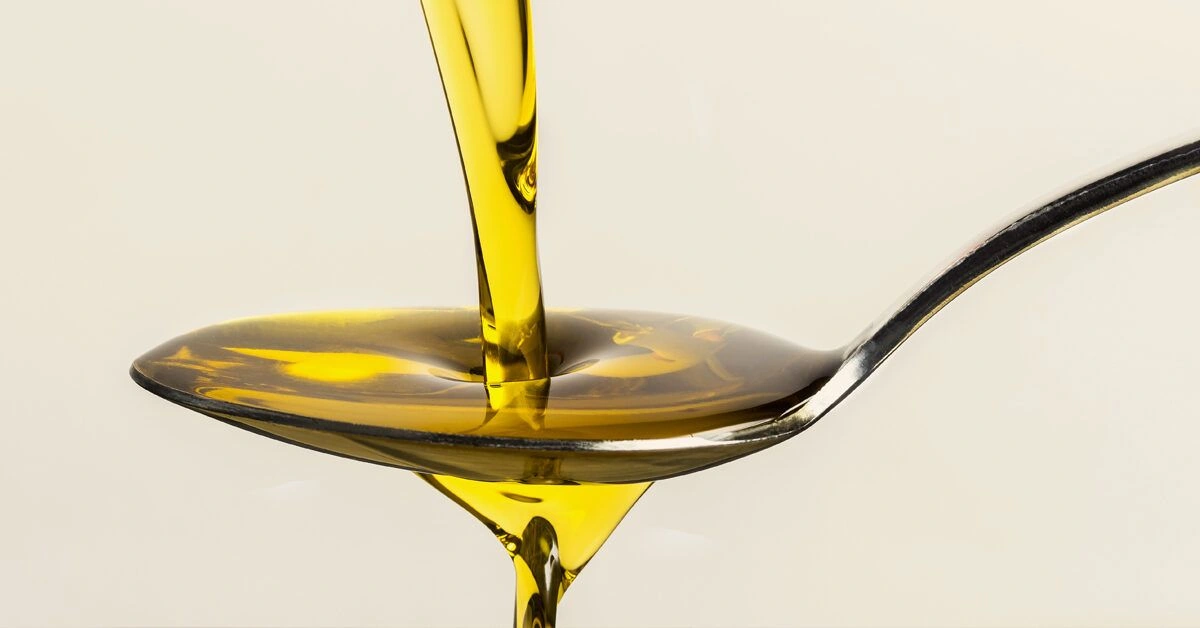
Canola oil and olive oil rank among the most widely used cooking oils across the globe. In discussions about Rapeseed oil vs olive oil, both are frequently promoted as heart-healthy options and are used in many of the same culinary applications. Still, many people are unsure how they truly differ and which one offers greater health advantages.
This article breaks down the distinctions between canola and olive oil, examining their nutritional value, antioxidant content, culinary uses, and overall impact on health.

What are canola oil and olive oil?
Canola oil is derived from rapeseed (Brassica napus L.) that has been selectively bred to contain low levels of naturally occurring toxic compounds such as erucic acid and glucosinolates. This modification makes canola oil safe for human consumption (1).
Manufacturing canola oil typically involves heating and crushing the seeds, followed by chemical extraction and refining. The oil is then bleached and deodorized, resulting in a light color and neutral flavor (2). Expeller-pressed and cold-pressed varieties are also available and undergo less intensive processing. For readers interested in closely related comparisons, see Rapeseed oil vs canola oil.

Olive oil, by contrast, is obtained from pressed olives, the fruit of the olive tree.
Although several varieties exist, the two most common are regular (or “pure”) olive oil and extra virgin olive oil.
Extra virgin olive oil is produced solely through mechanical pressing, whereas regular olive oil is a blend of virgin (pressed) oil and refined (heated or chemically extracted) olive oil (3, 4).
While extra virgin olive oil tends to be more costly, it is widely regarded as the healthier option because it undergoes minimal refining, helping preserve beneficial plant compounds.
SummaryCanola oil comes from specially bred rapeseeds, while olive oil is extracted from pressed olives and is available in several forms.
Similar nutritional profile
When comparing Rapeseed oil vs olive oil from a nutritional standpoint, they are quite alike in calorie and total fat content.
The nutrients in 1 tablespoon (15 ml) of canola and regular (refined) olive oil are (5, 6):
| Canola | Olive | |
| Calories | 124 | 124 |
| Fat | 14 grams | 14 grams |
| • Saturated | 7% | 14% |
| • Monounsaturated | 64% | 73% |
| • Polyunsaturated | 28% | 11% |
| Vitamin E | 16% of the RDI | 13% of the RDI |
| Vitamin K | 8% of the RDI | 7% of the RDI |
Olive oil contains a higher proportion of saturated and monounsaturated fats, whereas canola oil provides more polyunsaturated fats. These differences in fatty acid composition may influence their effects on cholesterol levels and cardiovascular risk.
Antioxidant content
A notable distinction between canola and olive oil lies in their antioxidant levels. Antioxidants help neutralize free radicals, unstable molecules that can damage cells when present in excess.
Oxidative stress caused by free radicals has been associated with chronic diseases such as heart disease, diabetes, Alzheimer’s, and certain cancers (7).
Olive oil contains more than 200 plant-derived compounds, including polyphenols, which function as potent antioxidants in the body (8).
However, the polyphenol concentration depends heavily on processing methods (9).
Because refining significantly reduces antioxidant levels, regular olive oil contains fewer polyphenols. Extra virgin olive oil, on the other hand, is rich in these beneficial compounds (1, 2, 9).
These include oleuropein, hydroxytyrosol, and oleocanthal, which have been linked to reduced inflammation and a lower risk of heart disease (10).
SummaryCanola and olive oil contain comparable amounts of calories and total fat but differ in fatty acid composition. Olive oil — particularly extra virgin — is richer in antioxidants.
Culinary uses
Olive oil and canola oil each have characteristics that make them suitable for different cooking techniques.
Frying
With high-temperature cooking methods such as frying, oils can reach their smoke point — the temperature at which they begin to produce smoke (11).
Canola oil has a smoke point of 460℉ (238℃), which is higher than that of regular olive oil at 410℉ (210℃) and extra virgin olive oil at 383℉ (195℃) (11, 12).
When an oil surpasses its smoke point, its glycerol and free fatty acids begin breaking down, forming compounds such as aldehydes, ketones, and alcohols. These byproducts may be harmful and negatively affect flavor (11).
Despite having a lower smoke point, both regular and extra virgin olive oils appear relatively stable at elevated temperatures and are unlikely to generate toxic compounds under typical cooking conditions.
Still, excessive heat can degrade beneficial antioxidants like oleocanthal, potentially altering taste and nutritional value (13, 14, 15, 16).
For this reason, canola oil may be more appropriate for deep frying or high-heat searing. Nonetheless, both oils work well for sautéing and moderate-heat cooking.
Other uses
Although olive oil can be used in cooking, it is often enjoyed without heating.
Extra virgin olive oil is excellent as a bread dip, salad dressing, or finishing oil drizzled over vegetables, pasta, or grilled meats. Its vibrant color and slightly peppery taste contribute to its popularity in Mediterranean-style diets.
Some individuals may find its pronounced flavor too strong. In those cases, regular olive oil, which has a milder profile, may be preferable.
Canola oil, in contrast, is refined to achieve a neutral taste and aroma. Unlike extra virgin olive oil, it is rarely used outside of frying or baking applications.
One drawback of olive oil is its higher cost, which limits its widespread use in commercial food preparation.
SummaryBoth oils are suitable for pan frying and medium-heat cooking, while canola oil is better suited to deep frying. For dressings and finishing dishes, extra virgin olive oil stands out for flavor and nutritional value.
Which one is healthier?
From a nutritional and clinical research perspective, olive oil — particularly extra virgin — appears to be healthier than canola oil.
Regular olive oil consumption has been associated with reduced heart disease risk factors, improved blood sugar control, and a decreased risk of death (17, 18, 19).
An analysis of 33 studies found that individuals with the highest olive oil intake had a 16% lower risk of type 2 diabetes compared with those consuming the least (18).
Higher olive oil consumption has also been linked to reduced stroke risk and improvements in LDL (bad) cholesterol and triglyceride levels (17).
These benefits are largely attributed to olive oil’s antioxidant and polyphenol content, which is especially abundant in extra virgin varieties (9).
Canola oil, conversely, undergoes extensive refining, which significantly lowers levels of essential fatty acids and antioxidants (1, 2).
Although canola oil is often marketed as heart-healthy, scientific findings remain mixed. Some research suggests benefits, while other studies indicate potential concerns (1, 20). Questions such as Why is canola oil banned in Europe often arise in public discussions, highlighting ongoing debate and confusion.
One study involving 2,071 overweight or obese adults reported that frequent canola oil use was associated with a higher risk of metabolic syndrome compared with rare or no use (20).
Metabolic syndrome is characterized by excess abdominal fat, elevated triglycerides, abnormal cholesterol levels, high blood pressure, and increased fasting blood sugar — all of which raise the likelihood of heart disease (21).
It is important to note that several studies supporting canola oil’s cardiovascular benefits have received funding from the canola industry, potentially introducing conflicts of interest. Overall, further independent research is necessary (1, 22, 23, 24, 25).
Animal studies have linked canola oil to increased inflammation, adverse effects on memory, and lower circulating antioxidant levels (26, 27).
In contrast, numerous studies show that extra virgin olive oil exerts anti-inflammatory effects and supports cardiovascular health (28, 29, 30).
Considering current evidence, olive oil — particularly extra virgin — appears to offer stronger and more consistent health benefits than canola oil.
SummaryExtensive research connects olive oil, especially extra virgin, with heart-health benefits and anti-inflammatory effects. Because it is less refined and richer in antioxidants, it is generally the healthier choice compared with canola oil.
The bottom line
Olive oil and canola oil are both popular cooking fats with overlapping uses.
While canola oil may be preferable for high-heat frying, both can be used for moderate-heat cooking. Olive oil, particularly extra virgin, is better suited for dressings, dips, and finishing dishes.
When evaluating Rapeseed oil vs olive oil from a health perspective, olive oil stands out due to its higher antioxidant content and well-documented cardiovascular benefits.
If you’re seeking a versatile and health-supportive cooking oil, extra virgin olive oil is an excellent option.





















Leave a Reply
You must be logged in to post a comment.