
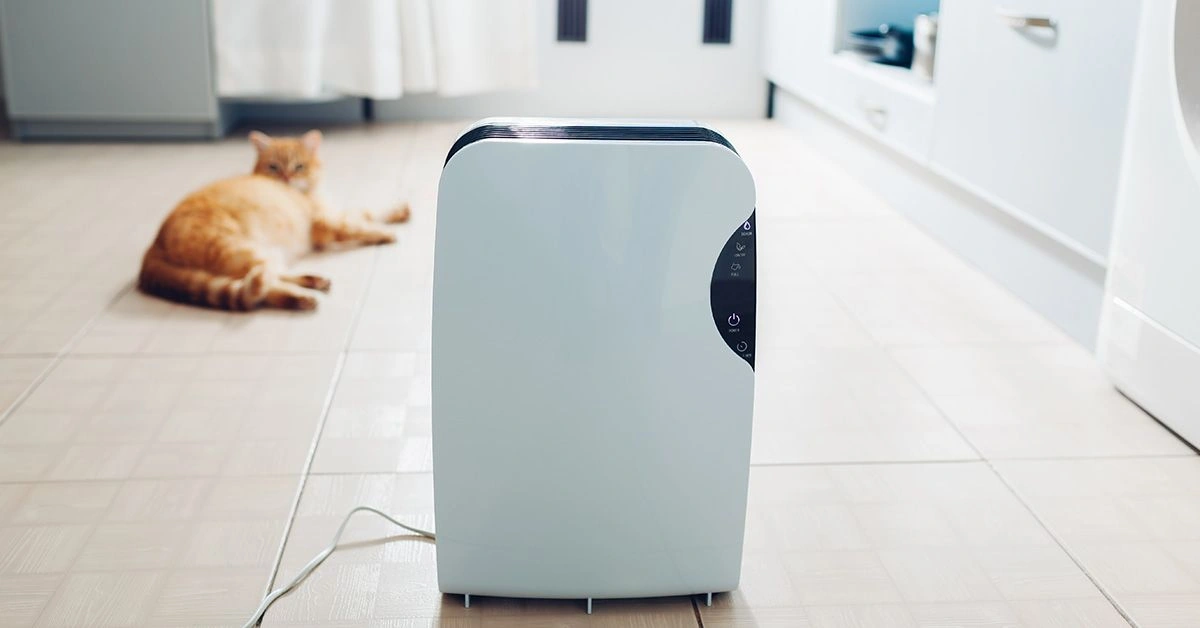
Portable air purifiers can support cleaner indoor air by reducing airborne particles, adjusting humidity levels in certain settings, and limiting exposure to common indoor pollutants. Still, selecting the appropriate model for your specific environment and health needs is essential for meaningful results.
Many home air purifiers advertise themselves as dependable solutions for indoor air quality concerns. But do they truly purify the air inside your home?
The brief answer is yes—though only to a certain extent. Their effectiveness depends on what you expect them to accomplish and how well the chosen device aligns with your goals, room size, and pollutant sources.
Continue reading to learn how portable air purifiers function, what they can realistically achieve, and how they compare with other environmental control strategies. For readers researching environmental decontamination topics such as How fast does uv light kill fungus on wood, understanding how UV-based purification differs from filtration systems can also provide helpful context.
What is an air purifier?
This discussion focuses on portable air purifiers—devices intended to clean the air within a single room rather than an entire house. Whole-home purification systems do exist, but they are integrated into a building’s heating, ventilating, and air conditioning (HVAC) system.
Most modern portable air purifiers are engineered to capture both particles and gases. Because no single filter can effectively remove every contaminant, many units incorporate multiple filtration layers—one designed for particulate matter, another for gases, and sometimes additional filters targeting odors or chemical pollutants.
How air purifiers work
Although designs vary, most portable air purifiers operate on a similar principle. Built-in fans pull room air through one or more filters that trap contaminants. The purified air is then circulated back into the living space.
These devices differ in size and weight, but most are portable enough to move between rooms. Some can be wall-mounted, while compact desktop and wearable models are also available for localized air cleaning.
How do air purifiers differ?
Air purifiers vary based on several factors:
- the type and number of filters included
- the square footage they are designed to cover
- the volume of air processed (measured in cubic feet per minute)
- their pollutant capture efficiency (percentage rate)
- clean air delivery rate (CADR)
- overall weight and portability
- the specific contaminants targeted
- the intensity of the pollution source
Each of these elements should influence your purchasing decision. To choose effectively, you must understand the dimensions of the area you wish to treat, the pollutants present, and the device specifications.
Before buying a unit, consider performing a home air quality test to identify which contaminants are present.
Among all features, the filter is arguably the most critical. A HEPA filter is widely regarded as the gold standard for particle removal. It is designed to capture at least 99.5% of airborne particles measuring 3 microns or smaller, including pollen, dust, moisture droplets, bacteria, viruses, and dirt.
The performance of a HEPA filter is influenced by fiber density, commonly rated between MERV 12 and MERV 17. For optimal filtration, a MERV 13 rating or higher is recommended.
Another essential metric is the clean air delivery rate (CADR), which indicates how much filtered air the purifier releases. A general guideline is that the CADR should equal at least two-thirds of the room’s square footage.
When addressing wildfire smoke, the CADR should match the full square footage of the room.
Some manufacturers list CADR values for specific pollutants—tobacco smoke, dust, and pollen—representing small-, medium-, and large-sized particles. Selecting a device aligned with your primary pollutant concern improves outcomes.
What types of air purifiers are there?
Portable air purifiers typically fall into one of three categories:
- Filtered air purifiers that trap airborne particles within one or more filters.
- Electrostatic air purifiers that generate charged particles to attract contaminants.
- UV light air purifiers that use ultraviolet light to target microorganisms such as bacteria and viruses.
There is concern that electronic air cleaners, including electrostatic and some UV models, may produce ozone or secondary pollutants that could negatively affect health. For that reason, filtered HEPA systems are generally viewed as the safest choice for home environments.
It’s important to note that neither the Food and Drug Administration (FDA) nor the Environmental Protection Agency (EPA) certify air cleaning devices, and the EPA does not endorse specific brands or products.
UV-based systems are often discussed in relation to fungal control, including questions like How fast does uv light kill fungus and How fast does uv light kill fungus on skin. However, UV air purifiers are primarily designed to inactivate airborne microorganisms rather than remove settled mold growth from surfaces.
Are they effective?
This is one of the most common questions about air purifiers. The concise answer is yes—but with limitations. Effectiveness depends on multiple variables:
- the specific contaminants present
- ventilation conditions
- room size
- filter type and number
- CADR rating
- control of pollutant sources
- consistent usage
Complicating matters, many airborne particles eventually settle into furniture, bedding, carpeting, walls, and ceilings. Household cleaning practices therefore influence how much burden is placed on the air purifier.
What household contaminants should concern me?
Indoor pollutants are often grouped under the term particulate matter (PM), referring to airborne particles categorized as:
- PM2.5 (2.5 microns or smaller)
- PM10 (10 microns or smaller)
A micron equals one-millionth of a meter. Fine PM2.5 particles pose greater health risks because they can travel deep into the respiratory tract and reach the lung air sacs. Air purifiers with HEPA filters are generally effective at reducing airborne fine PM.
Below are common household contaminants and how air purifiers may help manage them.
Allergens
Allergens are substances that can provoke symptoms in individuals with allergies, asthma, or respiratory conditions. The Asthma and Allergy Foundation of America reports that 8 of every 10 people in the United States are exposed to dust mites, while 6 of every 10 encounter cat or dog dander.
Common indoor allergens include:
- Pollen: outdoor allergens entering through windows and doors.
- Pet dander: microscopic skin particles shed by animals.
- Rodent allergens: concentrated dander from mice or rats; studies show 75% to 80% of U.S. homes have detectable mouse allergen.
- Cockroaches: which shed allergens, chitin, and endotoxins.
- Dust mites: microscopic organisms thriving in humid environments; 30% to 60% of children with asthma are sensitized to them.
What does the research say?
One study reported that HEPA air purifiers may reduce indoor allergen concentrations, including pollen and house dust-mite allergens.
However, other reviews suggest limited impact on dust mite allergens, which settle quickly and are less likely to remain airborne long enough to be captured.
Mold
Research indicates mold exposure can worsen asthma and other lung conditions, especially in children. Mold grows on damp surfaces and signals excess moisture.
Mold spreads by releasing airborne spores. Inhalation or contact may trigger allergy symptoms such as sneezing, throat irritation, runny nose, and itchy eyes.
What does the research say?
The EPA states that portable air cleaners may capture some airborne spores but do not resolve mold growth itself. Moisture control and physical cleanup are required.
Smoke
Indoor smoke sources include:
- cigarettes, cigars, and marijuana
- e-cigarettes
- incense
- wood-burning fireplaces and stoves
- vehicle exhaust
What does the research say?
Research shows air purifiers are not highly effective at removing nicotine. Additional studies confirm HEPA filters reduce smoke particles but not gaseous components.
They may help during short-term wildfire smoke events, but smoking cessation remains the most effective health intervention.
Gaseous pollutants
Indoor gases may include:
- carbon monoxide and nitrogen dioxide
- ozone
- volatile organic chemicals (VOCs)
To remove gases, choose a purifier with an activated carbon filter. HEPA filters do not effectively capture VOCs.
What does the research say?
The American Chemical Society found that several consumer-grade purifiers marketed for VOC removal showed minimal effectiveness and, in some cases, emitted additional byproducts.
Do air purifiers improve your health?
The World Health Organization links household air pollution to stroke, heart disease, chronic obstructive pulmonary disease (COPD), and lung cancer.
Can portable air purifiers make a difference?
The EPA indicates portable HEPA air cleaners may provide modest improvements in allergy, asthma, and cardiovascular outcomes, though benefits are often limited.
What does the research say?
- An EPA review found significant respiratory symptom improvement in several studies.
- Another EPA analysis reported cardiovascular improvements in most reviewed studies.
- Evidence for gaseous pollutant reduction remains limited and inconsistent.
Air purifier benefits
When properly selected and consistently used, air purifiers may provide:
- Allergy relief. Reduced allergen exposure may ease symptoms.
- Asthma trigger reduction. Lower particle concentrations may lessen attacks.
- Dust reduction. HEPA systems can capture particles 5 microns or smaller.
- Animal dander control. Some airborne dander may be removed.
- Particulate matter reduction. Indoor PM2.5 levels may decrease by 50% or higher.
- Virus particle reduction. Certain systems can capture particles between 0.1 and 1 microns. In 2022, one of the first reports documented removal of airborne SARS-CoV-2 using combined filtration and UV sterilization.
What they won’t work for
No device can eliminate 100% of pollutants.
Portable air purifiers may be less effective for:
- active mold growth
- nicotine and certain gases
- rodent infestations
- cockroach allergens
- some VOCs
- large particles that settle quickly
Other ways to clean your indoor air
The EPA recommends three strategies:
- Control pollutant sources.
- Improve ventilation.
- Use effective air cleaners.
- Vacuum and clean soft furnishings regularly.
- Wash bedding weekly in hot water.
- Bathe pets frequently.
- Maintain indoor humidity between 40% and 60%.
- Avoid indoor smoking.
- Use nontoxic cleaning agents.
- Open windows and use fans for ventilation.
- Replace HVAC filters every 30 to 90 days.
What about plants?
According to the EPA, there is no current evidence that houseplants meaningfully reduce indoor pollutants. Overwatering may even encourage microbial growth.
Products to consider
Numerous portable air purifiers are available. Research specifications carefully to ensure they align with your room size and pollutant concerns.
The bottom line
Portable air purifiers perform best when combined with:
- proper ventilation
- humidity control
- source reduction
- routine cleaning
Start by identifying your specific air quality goals. Determine the room size and primary contaminants, then match them with an appropriately rated device.
Ideally, your air purifier should:
- be suited to your room’s size
- target your specific pollutants
- have a strong CADR
- include a HEPA filter rated at least MERV 13
If you have asthma, allergies, or other respiratory conditions, consult your healthcare provider before making changes to your management plan. Never discontinue prescribed medications without medical advice. You may also consider devices certified as asthma and allergy friendly by the Asthma and Allergy Foundation of America.




















Leave a Reply
You must be logged in to post a comment.