

Angular cheilitis is an inflammatory skin condition that leads to red, irritated, and swollen patches at the corners of the mouth. It is often triggered by certain fungal or bacterial infections and generally improves with appropriate treatment.
Many people who notice White stuff in corners of mouth when talking may actually be dealing with angular cheilitis. This form of mouth sore develops specifically at the angles of the lips. Also referred to as angular stomatitis or perlèche, it can produce tender, reddened areas both at the corners and along the outer edges of the lips.
Unlike cold sores, which stem from a herpes virus infection, angular cheilitis is primarily an inflammatory issue. It may be temporary and resolve quickly, or it can become chronic and recur over time.
If you have been wondering about Why do I get white stuff on the corners of my lips, this guide explains what angular cheilitis looks like, what causes it, and the most effective ways to manage and prevent it.
This article outlines what to expect with angular cheilitis, including symptoms, risk factors, treatment options, and practical prevention strategies.
Symptoms of angular cheilitis
The signs of angular cheilitis usually develop almost exclusively at the corners of the mouth. Symptoms can range from mild redness and irritation to painful, open sores that may bleed.
If you’re experiencing angular cheilitis, you might notice that the corners of your mouth are:
- bleeding
- red
- swollen
- cracked
- blistered
- crusty
- itchy
- painful
Some individuals also report a buildup that appears as white residue or White stuff in corners of mouth when talking, especially when saliva accumulates and dries. This can be mistaken for other lip conditions but is commonly associated with irritation and infection in the fissures.
Additional symptoms may include:
- oral yeast infection (thrush)
- eczema-type rash on the lower face
- redness on the palate of the mouth (in denture wearers)
- saliva pooling at the corners of the mouth
- deep cracks (called fissures)
Discomfort may worsen while eating, smiling, or speaking, particularly if the fissures reopen repeatedly.
Pictures of angular cheilitis
Below are example images of angular cheilitis alongside cold sores to help distinguish between the two conditions.
What causes angular cheilitis?
Angular cheilitis develops when saliva gathers in the corners of the mouth and then dries out, leading to skin breakdown and cracking in that area.
After the skin splits, the moist environment that remains can encourage the growth of yeast and bacteria. Over time, this can result in infection and ongoing inflammation.
The organisms most frequently involved are Candida yeast and Staphylococcus bacteria.
Another common cause is atopic (contact) dermatitis, which can make the skin more vulnerable to irritation and secondary infection.
When saliva repeatedly pools in the creases of the lips, especially in people with deep facial lines or ill-fitting dentures, it increases the likelihood of developing symptoms such as cracking, soreness, and visible white buildup during conversation.
Is angular cheilitis an STI?
No. Angular cheilitis is not a sexually transmitted infection (STI). It is an inflammatory condition that produces painful cracks or sores at the corners of the mouth.
This condition is not contagious and cannot be transmitted through sexual contact.
Who’s at risk for developing angular cheilitis?
Although anyone can experience angular cheilitis, certain factors raise the risk. These include:
- poor-fitting dentures
- misaligned teeth
- significant weight loss
- frequent lip licking
- smoking
- nutritional deficiencies, particularly in the vitamin B group
- frequent use of antibiotics
- using retinoid products
- a weakened immune system
- being over the age of 75
- dry mouth
- inflammatory disorders such as Sjögren’s syndrome
- chronic conditions like diabetes or inflammatory bowel disease (IBD)
- Down syndrome
People with dry mouth are especially susceptible because reduced saliva quality can lead to pooling at the lip corners. Ironically, this pooling can cause irritation and create the appearance of white residue when speaking.
How is angular cheilitis diagnosed?
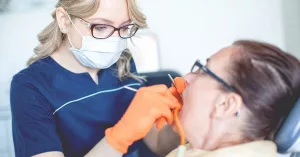
A doctor or dermatologist typically diagnoses angular cheilitis through a physical examination. They will inspect the mouth and may check for other areas of skin irritation elsewhere on the body.
You’ll likely be asked about your medications, daily habits, and both personal and family medical history.
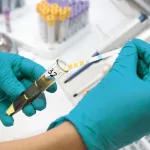
Since angular cheilitis can signal a fungal or bacterial infection, your doctor might take a culture swab from the affected area and send it to a laboratory. This step is generally reserved for cases where initial treatments have not been effective.
How is angular cheilitis treated?
Treatment depends on the root cause. If a nutritional deficiency is identified, your doctor may recommend specific dietary adjustments or supplements to correct it.
When a yeast infection is responsible, an antifungal medication is usually prescribed for topical application to the corners of the mouth.
If a bacterial infection is present, a topical antibiotic ointment or cream is typically recommended.
Other possible treatments include:
- topical antiseptics to maintain cleanliness of the sores
- topical steroid ointment to reduce inflammation
- filler injections to lessen deep creases at the mouth corners
If dry mouth is contributing to the condition, addressing it can significantly improve healing. Strategies may include:
- chewing sugar-free gum
- sucking on hard candies or lozenges
- using a humidifier at home
- drinking water regularly to stay hydrated
For those seeking additional guidance on recovery, you may find practical tips in How to heal cracked lip corners fast, which outlines supportive care approaches that complement medical treatment.
Can angular cheilitis cause complications?
Many instances of angular cheilitis respond well to treatment. However, once an underlying cause is identified, it is important to address it properly.
If the condition stems from a bacterial or fungal infection — which is common — it can spread to nearby skin if left untreated. Inadequate treatment may also increase the risk of developing oral thrush.
Persistent cracking can lead to chronic discomfort and recurring symptoms, particularly in individuals with ongoing risk factors such as diabetes or immune suppression.
Is angular cheilitis contagious?
In most cases, angular cheilitis is not contagious through casual contact because it is not initially caused by a single infectious organism.
Cold sores, in contrast, are contagious since they result from a viral infection. With angular cheilitis, bacteria and yeast typically grow in pre-existing fissures over time due to repeated saliva exposure.
If you’re uncertain whether your symptoms are due to a cold sore or angular cheilitis, it’s wise to limit close contact until a healthcare professional provides a diagnosis.
How can you prevent angular cheilitis?
Maintaining proper hygiene and a consistent skin care routine can lower your risk of angular cheilitis. Keeping the skin around your mouth moisturized and protected from irritation helps reduce bacterial and yeast overgrowth.
Applying petroleum jelly or coconut oil to the lip corners can create a protective barrier against saliva. Regular use of lip balm also helps prevent chapped and overly dry lips.
Managing dry mouth is equally important, as excessive saliva pooling can contribute to cracking and inflammation.
If the structure of your mouth or deep creases are contributing factors, consult your doctor about oral appliances or fillers that may help minimize saliva accumulation in those areas.
Takeaway
Angular cheilitis is a common inflammatory condition affecting the corners of the mouth and can sometimes present as White stuff in corners of mouth when talking.
Although it often resolves with simple treatment, you should seek medical advice if symptoms persist beyond 2 weeks, worsen, or frequently recur.
Once the underlying cause is identified, angular cheilitis typically responds well to targeted therapy and supportive care.
















Leave a Reply
You must be logged in to post a comment.