
Pregnancy causes your body to undergo numerous changes, both in physical form and hormonal balance.
Hormonal shifts don’t just influence emotions — they can also change your food preferences. Some expectant people develop aversions to certain foods, where even the idea of eating them feels nauseating. Others find themselves with intense cravings for particular dishes.
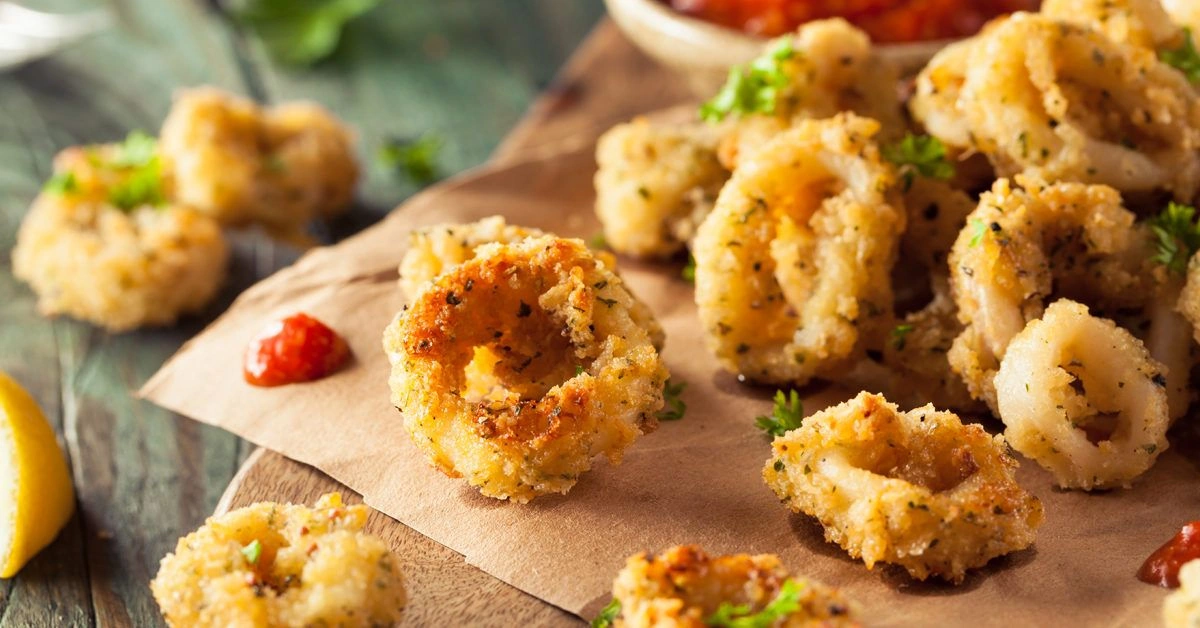
So what if you suddenly crave a plate of fried calamari with marinara and a squeeze of lemon? Is that acceptable?
You may have heard that some seafood is beneficial during pregnancy — thanks to omega-3s and similar nutrients. But is calamari pregnancy-safe? The brief answer is yes — here’s a closer look.

What about mercury?
Calamari and other seafood offer valuable nutrients and can be part of a healthy pregnancy diet.
However, when it comes to pregnancy many people worry about mercury in seafood. Worries about mercury can prevent pregnant people from reaping the advantages of eating fish.
Mercury is a naturally occurring element present in the environment — air, water, and soil. As a heavy metal, high exposure can be toxic to humans and cause mercury poisoning, which can harm brain, kidney, lung, and heart function.
Certain sea creatures contain higher mercury levels. High mercury exposure during pregnancy — for example, from contaminated shellfish or crops tainted with mercury — can negatively affect fetal development, potentially causing cognitive delays and raising the risk of cerebral palsy.
Still, recent research suggests there’s limited strong evidence linking moderate mercury from seafood intake in pregnant women to poor fetal outcomes.
In fact, eating fish is known to support fetal growth and also benefits maternal health, as shown in this 2018 study.
While you should steer clear of seafood with very high mercury — such as king mackerel, shark, tilefish, swordfish, bigeye tuna, and marlin — there’s no need to avoid other seafood solely because of mercury concerns.
Indeed, the current Dietary Guidelines for Americans advise that pregnant women aim for 8 to 12 ounces of seafood per week.
Does calamari’s mercury level make it unsafe during pregnancy?
Mercury content varies by seafood species, with some fish carrying more than others. The Food and Drug Administration (FDA) recommends pregnant women avoid seafood with the highest mercury concentrations.
The reassuring news for calamari fans is that this seafood is low in mercury, making it a safe option during pregnancy — when eaten in moderation.
The FDA lists calamari among the better seafood picks for women who are pregnant or may become pregnant. Calamari contains 0.024 parts per million (PPM) of mercury, which is far lower than levels found in shark, swordfish, tuna, and marlin.
Given calamari’s low mercury content, you can safely have two to three servings per week. A serving equals roughly 4 ounces.
How should calamari be prepared?
Although squid is safe for pregnant people, it must be cooked correctly. Common cooking methods include frying, sautéing, baking, and grilling.
Avoid raw seafoodSquid is sometimes eaten raw, including as an ingredient in sushi. If you’re pregnant, it’s best to skip raw or undercooked seafood. Raw seafood can harbor bacteria that may harm you and your baby.
Searing squid is another technique, but it can leave the interior undercooked even if the exterior looks done — so avoid seared or undercooked preparations while pregnant.
Seafood should reach an internal temperature of 145°F (62.8°C) to be safe. After cooking, refrigerate leftovers promptly; at room temperature, harmful bacteria can multiply within 1 to 2 hours.
What nutritional benefits does calamari offer during pregnancy?
Calamari isn’t just flavorful — it provides nutrients that are helpful during pregnancy. For instance, calamari supplies omega-3 fatty acids.
Omega-3s are important in pregnancy because they support fetal brain development. Calamari also offers good amounts of protein, vitamin E, copper, B12, zinc, selenium, and iron — nutrients that play key roles during pregnancy.
Is other seafood safe while pregnant?
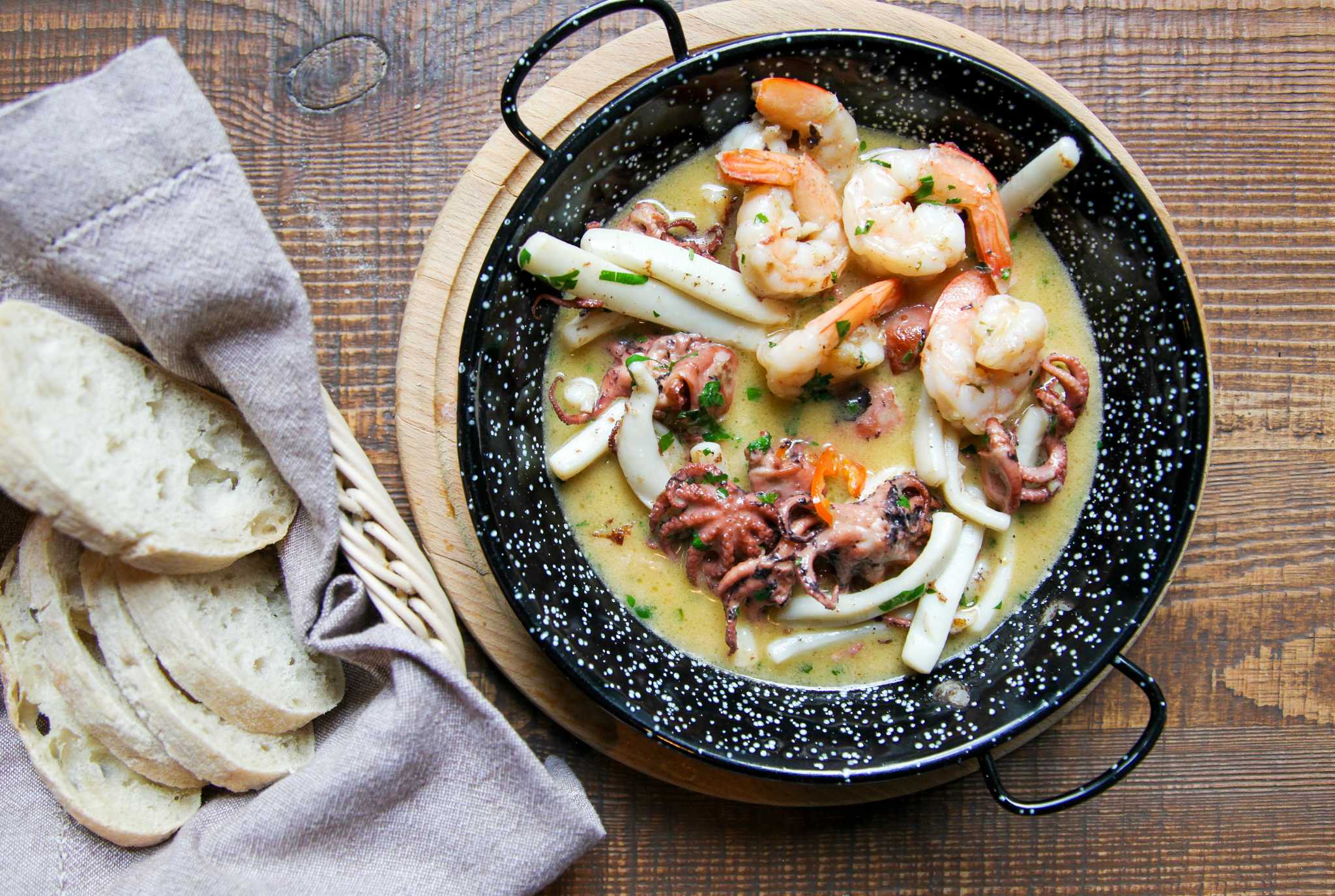
Calamari isn’t the only seafood considered safe during pregnancy. Other low-mercury options include mollusks like scallops, oysters, shrimp, and clams.
Other low-mercury fish include:
- catfish
- cod
- crawfish
- white fish
- salmon
- sardine
- flounder
- whiting
- lobster
- herring
You can eat two to three servings of low-mercury fish each week.
Additional decent choices are grouper, mahi-mahi, snapper, white croaker, and bluefish — limit these to one serving per week.
The takeaway
When a craving for calamari strikes during pregnancy, you can enjoy this nutritious seafood.
It’s among the better seafood selections for pregnant people because it’s low in mercury and rich in nutrients important for both your well-being and your baby’s development — enjoy!






















Leave a Reply
You must be logged in to post a comment.