
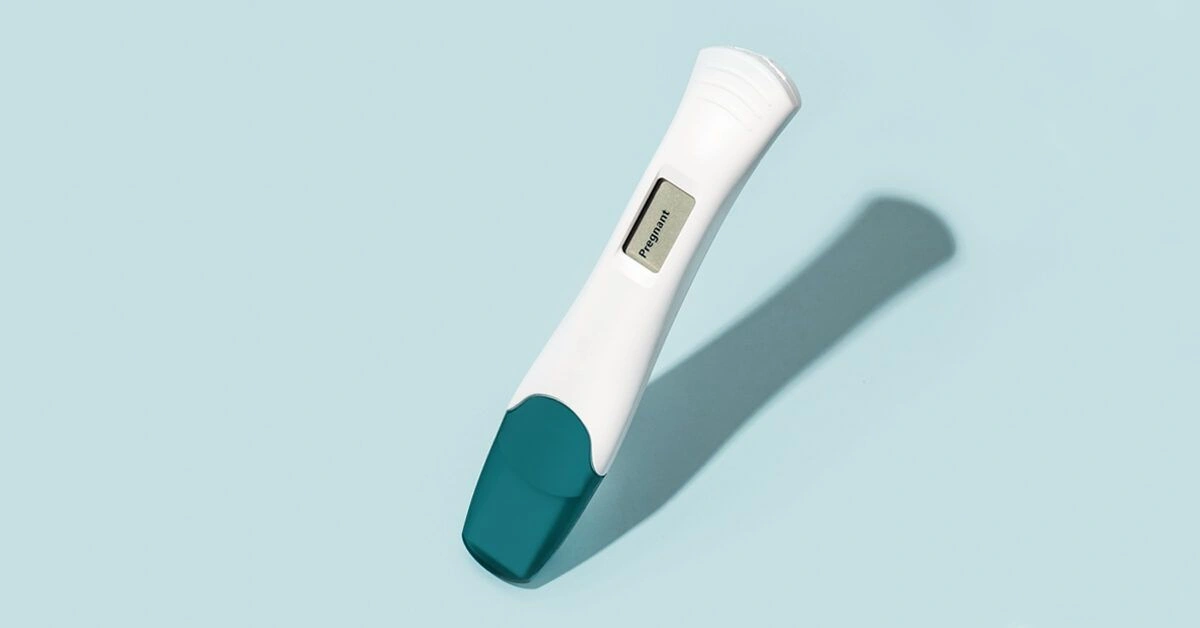
Egg plus sperm equals baby, right? Well, it isn’t always quite that straightforward.
Whether you’re new to the two-week wait (TWW) or a seasoned TTC hopeful, you may be wondering how soon you can take a test to see if you’ve scored your big fat positive (BFP). If you’ve reached 14 DPO, there’s promising news — your waiting period could be winding down.
Below is a look at common signs you might notice at this point, the earliest you can reliably test, and when to contact your clinician.
What does 14 DPO mean?
DPO is shorthand popular in the trying to conceive community; it stands for “days past ovulation.”
Being 14 DPO indicates you ovulated 14 days ago and are approaching the time your period would normally begin. It also means you’re in the luteal phase of your cycle, when the egg released at ovulation moves through the fallopian tube.
If that egg was fertilized and implanted into the uterine lining during this cycle, you might see a positive pregnancy test this month.

Possible symptoms at 14 DPO if you’re pregnant
You might notice pregnancy signs before your period is due — or you might not. Any symptoms you do experience stem from hormonal shifts as your body prepares to nurture a developing embryo.
These physical changes can differ between people and even between pregnancies for the same person.
Missed period
At 14 DPO you may still be a day or two away from when your period typically starts.
Even with a long or irregular cycle, it’s common for the interval from ovulation to your period to be roughly 14 days. Your follicular phase — the time from the start of your period to ovulation — may simply be longer.
When you’re not pregnant, progesterone drops and triggers your period. If you are pregnant, progesterone remains elevated to support pregnancy and prevents bleeding.
There are many other causes for a late period, however. If your period is overdue, consider taking a pregnancy test and reaching out to your provider with any worries.
Breast soreness or swelling
Breast tenderness before your period is common each month, and it can also be an early pregnancy sign.
Rising hormones may cause your breasts to feel sore, swell, or even cause darkening of the areolas as they prepare for eventual lactation.
More frequent urination
You may find yourself heading to the bathroom more often, day and night. Hormonal and fluid changes during early pregnancy increase kidney activity and urine output.
Remember to stay well hydrated during pregnancy — aim for about 8 to 12 eight-ounce glasses of water daily.
Fatigue
Your body is working hard to grow a baby, so feeling unusually tired or drained is common. Many describe this as extreme fatigue. The good news is energy often improves by the second trimester.
Nausea (morning sickness)
Queasiness is a frequent early pregnancy complaint. Around 70 to 80 percent of people report nausea, vomiting, or other digestive symptoms during pregnancy.
Hormonal fluctuations and variable blood sugar likely contribute, so small, frequent meals can help stabilize symptoms.
Is the two-week wait really over?
A textbook luteal phase is about 14 days, which is where the “two-week wait” term originates.
Your TWW might be a bit shorter or longer depending on your personal luteal phase length. A luteal phase of 11 to 17 days can still be normal.
It is possible to receive a positive pregnancy test at 14 DPO. The determining factor is when the fertilized egg implants into the endometrium and begins to produce human chorionic gonadotropin (hCG).
Implantation usually happens between 6 and 12 days after ovulation, with about 9 days being average. hCG takes time after implantation to build up and appear in urine.
Many home tests available in the U.S. detect hCG at levels of 25 mIU/mL or higher.
At that sensitivity, tests can sometimes show positive up to 4 days before a missed period. Some higher-sensitivity brands pick up hCG as low as 10 mIU/mL and may give a positive result even earlier. In either case, a positive at 14 DPO is quite possible.
That said, 14 DPO can still be too early for others, meaning a test result might be inaccurate.
How to distinguish implantation spotting from period bleeding
Implantation bleeding is light spotting that commonly happens between 10 and 14 DPO. It occurs when the fertilized egg embeds into the uterine lining and is typically light and brief.
Not everyone experiences implantation bleeding; those who do may notice colors ranging from red to brown to pink or orange.
The tricky part is you can also have spotting before your period when you’re not pregnant. Menstrual bleeding varies in flow and typically lasts anywhere from 4 to 8 days for a full cycle.
So telling early period bleeding apart from implantation spotting can be difficult. You usually know your body — sometimes the blood looks or feels different — or you may need to wait a day or two. If the spotting stops, pregnancy is more likely. If it progresses to full flow, it’s probably your period.
If bleeding concerns you at all, pregnant or not, contact your healthcare provider for advice.
What to do next after a negative pregnancy test
A negative test at 14 DPO doesn’t necessarily rule out pregnancy. If your period hasn’t arrived, try testing again in a couple of days.
Test results depend on multiple variables, including the test’s sensitivity, when implantation occurred, and even the time of day you test — morning urine tends to be more concentrated with hormones.
Getting a big fat negative (BFN) can be disheartening, especially after multiple months of trying.
Consider booking a preconception visit with your clinician if you’re actively trying. If you’ve been trying for over 12 months (if you’re under 35) or 6 months (if you’re 35 or older), speak with your provider about fertility evaluation and options.

What to do next after a positive pregnancy test
If you get a positive result this cycle, congratulations! Contact your healthcare provider to arrange a blood test and an ultrasound to confirm and date the pregnancy.
While home tests are generally reliable, a blood test measures hormone levels and can track their rise. Even if you opt not to confirm immediately, calling your provider to schedule your first prenatal appointment is a wise step.
If the pregnancy was unplanned, your clinician can discuss options and connect you with counseling or supportive services as needed.
The bottom line
At 14 DPO you’re getting close to the end of another month of TTC. Pay attention to how you feel and take a home pregnancy test if you suspect pregnancy.
If possible, waiting until about one week after your missed period usually yields the most reliable result. Wishing you the best of luck and sending baby dust your way!























Leave a Reply
You must be logged in to post a comment.