
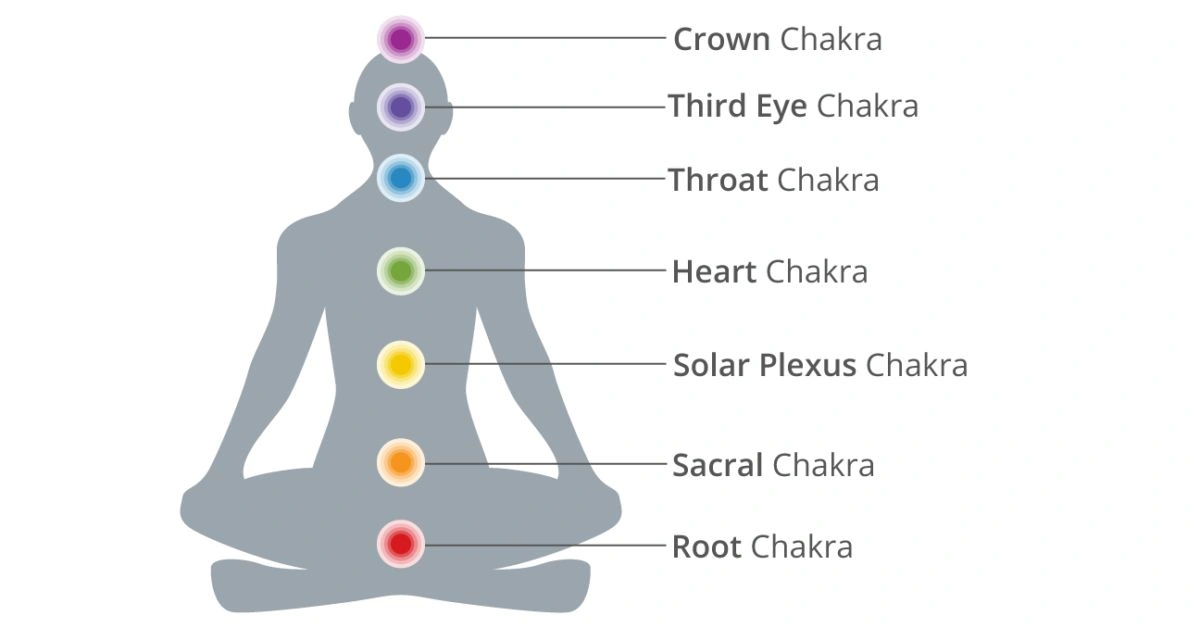
The seven chakras are regarded as the principal energy centers of the body, aligned along the spine. Here’s a concise guide to this ancient and intricate energetic framework.
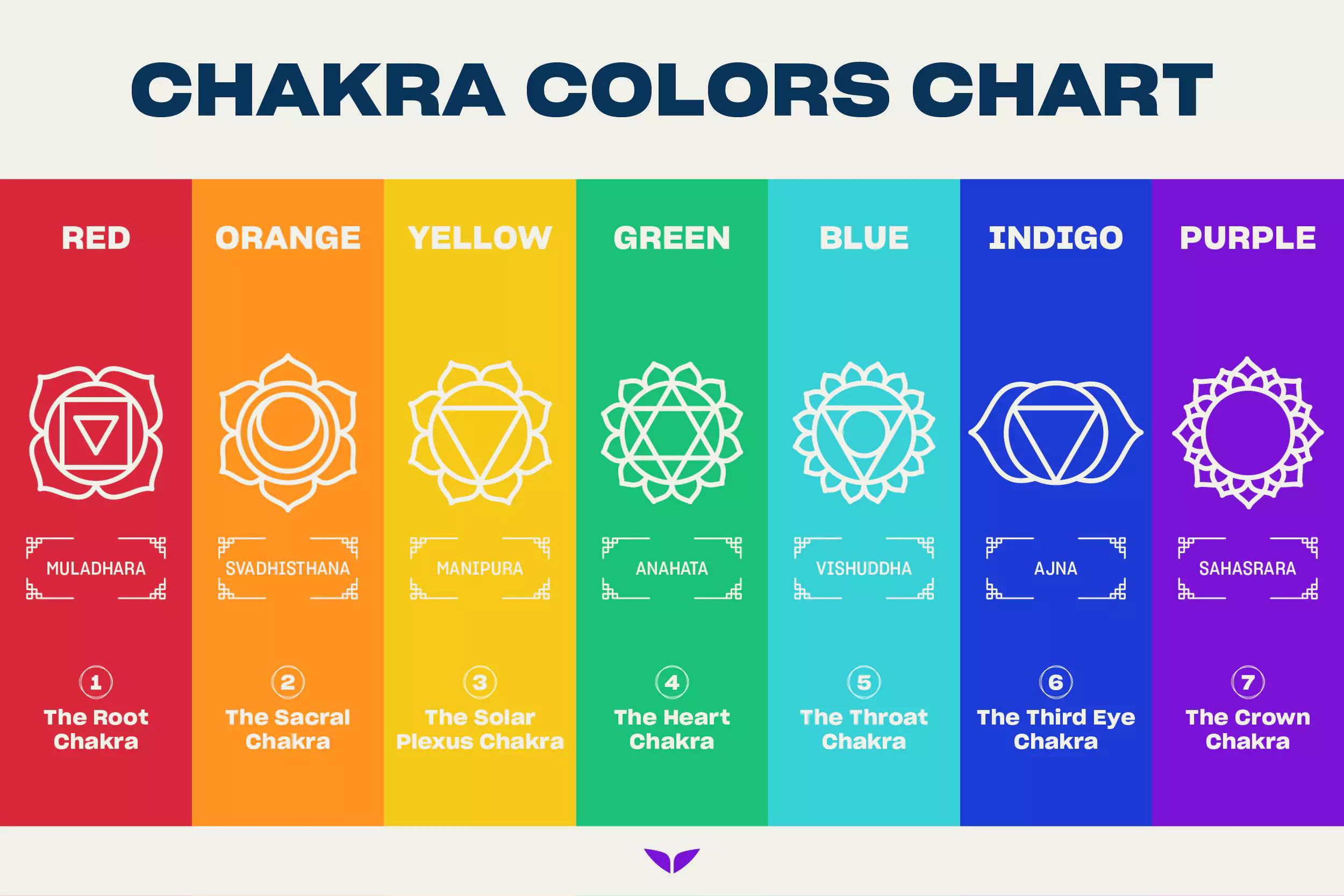
Chakras. You’ve likely heard the term in a yoga session. You’ve probably also come across a “New Age” character on-screen remarking that someone’s chakras are blocked.
Perhaps someone has even suggested you focus on a particular chakra. That doesn’t necessarily mean you know what they’re talking about. Don’t worry: you’re in good company.
The origins of chakras
Chakras have grown more familiar recently with the rise of yoga and broader New Age ideas. They represent a sophisticated, time-honored energy system that began in India. The earliest references appear in the Vedas, ancient spiritual scriptures composed between roughly 1500 and 1000 BC. There’s a great deal to learn about them.
So what should you grasp about chakras? Below is a quick primer.
Chakra basics
Chakra (Sanskrit cakra) translates to “wheel” and denotes energetic hubs in the body. They’re envisioned as spinning energy vortices that ought to remain “open” and balanced, as they correspond with nerve clusters, primary organs, and parts of our energetic anatomy influencing emotional and physical health.
Some teachings mention as many as 114 chakras, but seven principal chakras run along the spine. These are the ones most commonly referenced.
Each of the seven primary chakras has an assigned number, name, color, a spinal location from the sacrum to the crown, and a health focus.
A blocked root chakra can appear as physical ailments such as arthritis, constipation, or urinary and colon troubles, or emotionally as insecurity about finances or basic needs. When balanced and open, it fosters a sense of being grounded and secure, both physically and emotionally.
Problems with the sacral energy center often surface through issues with related organs, like urinary infections, lower back pain, and sexual dysfunction. Emotionally, this chakra ties to self-worth—particularly regarding pleasure, sexuality, and creative expression. For more on this center, explore the sacral chakra.
Obstructions in the third chakra commonly show up as digestive troubles—ulcers, heartburn, disordered eating, or indigestion. This chakra governs personal power, so it’s linked to self-esteem and confidence.
Heart chakra imbalances can be reflected in physical conditions like heart disease, asthma, and weight concerns. However, they’re often more visible in behavior.
People with a blocked heart chakra may habitually prioritize others at their own expense. Situated centrally among the seven chakras, it bridges upper and lower centers and symbolizes our capacity to love and form connections. When misaligned, it can engender loneliness, insecurity, and isolation.
As the throat chakra governs verbal expression, voice and throat troubles as well as issues affecting nearby structures—teeth, gums, and mouth—may suggest a blockage. Behavioral signs include dominating conversations, gossiping, speaking impulsively, or struggling to voice your truth. When balanced, you communicate with empathy and confidence because your words reflect your authentic self.
Located in the head, the third-eye chakra’s blockages can cause headaches, vision or focus difficulties, and hearing problems. Individuals who resist accepting reality (those who “think they know it all”) or who are disconnected from their intuition may have a blockage here. When open, this chakra supports intuitive insight and a broader perspective.
The crown chakra connects to every other chakra (and thus to all organs in this system), influencing the brain and nervous system. It’s considered the center of spiritual awakening and represents our link to purpose and transcendence. A blocked crown chakra can make someone seem closed-minded, cynical, or rigid. When open, it helps keep the rest of the chakra system balanced and can bring feelings of bliss and spiritual clarity.
Because these centers correspond to emotional states, you may have felt a particular chakra resonate with you while reading. Another might feel relevant tomorrow. It’s common for one chakra to present as a persistent area of imbalance, while others flare up intermittently. The chakra tradition uses specific terminology for these patterns and offers suggested practices for addressing them.
Key points
If you want to go beyond this overview, there are many resources on chakra balancing and alignment. Practices include yoga, meditation, cleansing rituals for chakras, particular types of bodywork, and even sound or music therapy.






















Leave a Reply
You must be logged in to post a comment.