Lyly

Overview of Functional Scoliosis
Functional scoliosis, sometimes referred to as nonstructural scoliosis, describes an abnormal sideways curvature of the spine that does not meet the traditional criteria required for a formal scoliosis diagnosis. To better understand this condition, it helps to review the Primary and secondary curves of the spine. The spine naturally forms front-to-back curves that support balance, flexibility, and shock absorption. However, when a lateral (side-to-side) curve develops, it can disrupt normal…
5 Everyday Life Hacks for Straightening Your Spine
How often has someone reminded you to “stop slouching” or “stand up straight”? Although the spine naturally has gentle curves, many of us tend to lean forward throughout the day. If you’re already dealing with back discomfort, spinal pressure, or postural strain, paying closer attention to how frequently you hunch or sit at an angle can help prevent further stress and may complement a comprehensive Straightening of lumbar spine treatment…
Thoracic Scoliosis: What You Need to Know
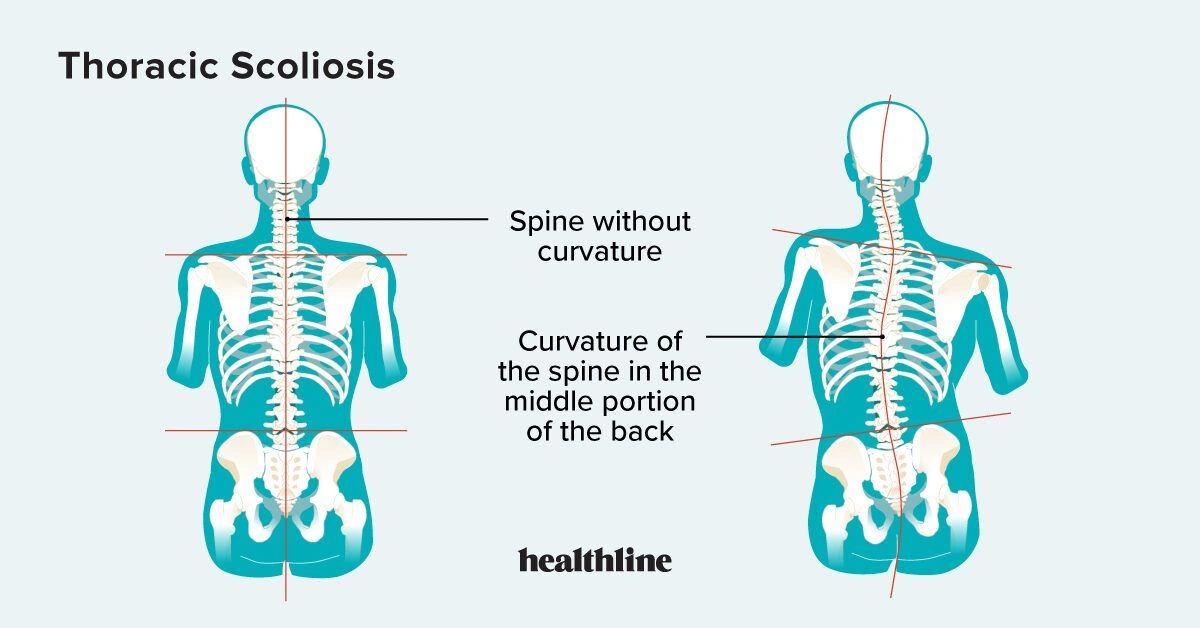
A sideways curve in the section of your spine that forms the upper and middle back is known as thoracic scoliosis. This type of spinal deformity is frequently identified in children and adolescents, but Curvature of the spine in adults can also occur and may require specialized management. Treatment approaches range from careful monitoring and conservative therapies to surgical correction, depending on severity. When viewed from the side, the spine…

What’s Causing My Internal Vibrations?
Nervous system disorders such as multiple sclerosis (MS) and Parkinson’s disease can sometimes lead to internal vibrations that resemble tremors occurring inside the body. In some women, this sensation may present as a Vibration in lower abdomen female, creating a fluttering or buzzing feeling that can be confusing or concerning. Addressing the root neurological condition is often the most effective way to reduce or manage these internal tremors. Internal vibrations…
Why Do I Feel Movement in My Lower Abdomen?
It’s fairly common to notice subtle movement in your lower abdomen. In many cases, Painless stomach twitching or fluttering sensations are linked to normal bodily processes. However, if these movements persist, intensify, or occur alongside other symptoms, it’s wise to consult a healthcare professional for proper evaluation. (img by Healthgrades Health Library) Tugs, flips, pulses, or gentle vibrations — your abdomen can produce a wide range of sensations throughout the…
Colostomy Diet: Guidelines, Foods List, and More
A colostomy is a frequently performed surgical procedure that healthcare professionals recommend when you’re unable to pass stool due to conditions such as cancer, Crohn’s disease, or diverticulitis (1). The procedure involves bringing one end of the large intestine through a stoma, which is an opening created in the abdominal wall (2). A pouch is typically secured to the outside of the body to collect and dispose of fecal matter…
What to Eat After Colonoscopy
In the first several hours after a colonoscopy, your doctor may advise you to limit food intake or avoid solid foods altogether. A soft or low-residue liquid diet is often recommended during this initial recovery window. A colonoscopy is a screening procedure designed to identify potential issues within the colon, including polyps, inflammatory bowel disease (IBD), and colorectal cancer. (img by PACE Hospitals) Research estimates that 34% of individuals report…
Finding the Right Doctor for Your Lower Back Pain
If you’re unsure which healthcare professional to consult for lower back discomfort, you’re certainly not alone. Persistent or recurring back pain can make it challenging to determine the right starting point. From primary care providers to orthopedists, chiropractors, and physical therapists, several experts — including some of the Top Spine doctors — may play a role in evaluating and managing your condition. Lower back pain is one of the most…
My ALS Diagnosis
When people search for My first ALS symptoms patient stories, they’re often trying to make sense of subtle body changes that don’t yet have a name. For me, the earliest warning of what would become my ALS diagnosis appeared in my right index finger at age 31 — a tiny, almost forgettable change that would later carry enormous meaning. On a frigid January morning in 2013, I was swimming laps…
Early Signs of ALS in Females: What to Know
Key takeaways Early ALS symptoms can include muscle twitching, stiffness, or weakness. However, some evidence suggests that older females may be more likely to have symptoms affecting the face and neck muscles. This is known as bulbar onset ALS. Bulbar onset ALS has links to a shorter survival time, so anyone with symptoms that could be ALS should speak with a doctor, especially if they are affecting the head. Amyotrophic…