Lyly

Can You Use Essential Oils for Bug Bites?
Essential oils are highly concentrated, distilled extracts derived from specific plants. Certain varieties may be used as an alternative remedy to help ease the symptoms associated with bug bites. Today, they are widely used for wellness routines, household cleaning, massage therapy, and more. One common reason people reach for them is to reduce the discomfort caused by insect bites. Individuals seeking a more natural method of soothing irritated skin often…

9 Healthy Nuts That Are Low in Carbs
Most nuts can easily be incorporated into a low carb diet, though some varieties are especially low in carbohydrates. If you’re comparing Pecans vs walnuts which is better for cholesterol, understanding their carb content and heart-health benefits can help you make a smarter choice. Below, you’ll find 9 excellent low carb nuts that fit well into carbohydrate-conscious eating plans. (img by Women’s Health) Nuts are widely recognized for their high…
The Top 9 Nuts to Eat for Better Health
Nuts are widely recognized for their impressive health benefits, including helping lower your risk of heart disease and strengthening your immune system. Popular varieties include almonds, pistachios, walnuts, pecans, and more. These crunchy, flavorful snacks are not only satisfying but also packed with essential nutrients. For people researching Pecans vs walnuts which is better for weight loss, understanding the nutritional profiles of different nuts can help you make informed dietary…
Calculating a Healthy Female BMI: What Factors Affect It?
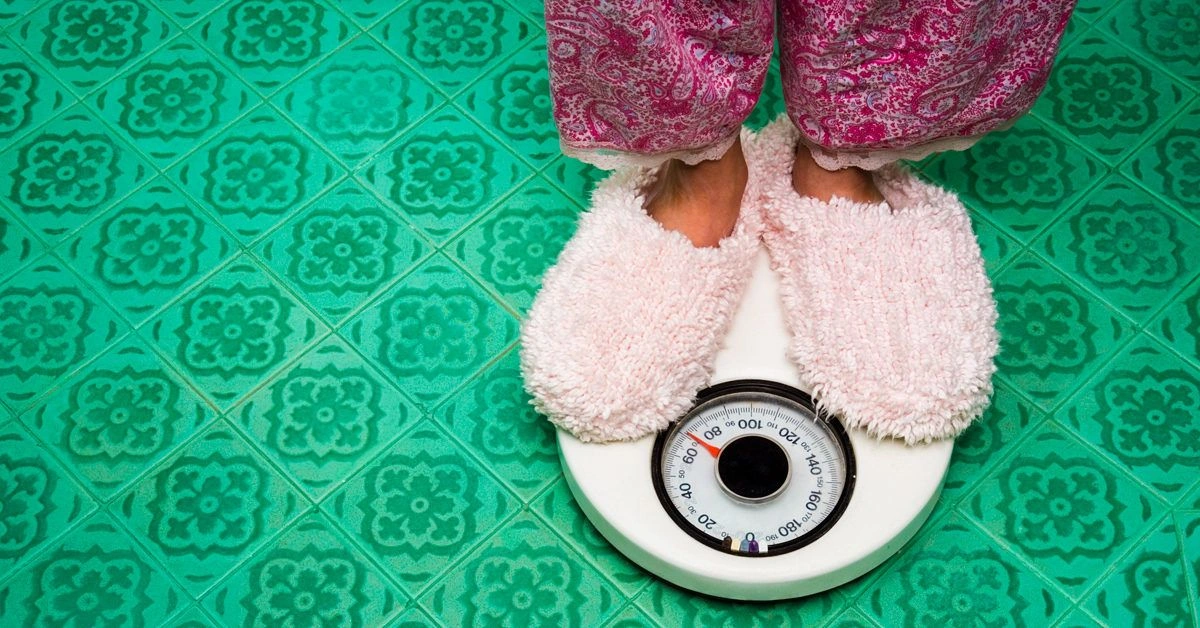
A “healthy” body mass index (BMI) typically falls between 18.5 and 24.9. Even so, BMI is not a universal measurement that applies equally to everyone. Healthcare researchers frequently rely on BMI to monitor obesity trends across large populations. In clinical practice, doctors and other healthcare professionals also use it as a general screening method to evaluate an individual’s health status. Many women use a BMI calculator female tool to estimate…
What’s the Ideal Weight for My Height and Age?
Maintaining a healthy body weight depends on a variety of elements, including your age, sex, muscle mass, bone density, and everyday habits. While tools such as a BMI calculator by age can offer useful guidance, they don’t account for every individual difference that influences overall health. There isn’t a single, flawless equation that determines your ideal body weight because it’s shaped by numerous influences, such as: height genetics sex assigned…
Senile Purpura Images: What These Purple Bruises Mean for Seniors
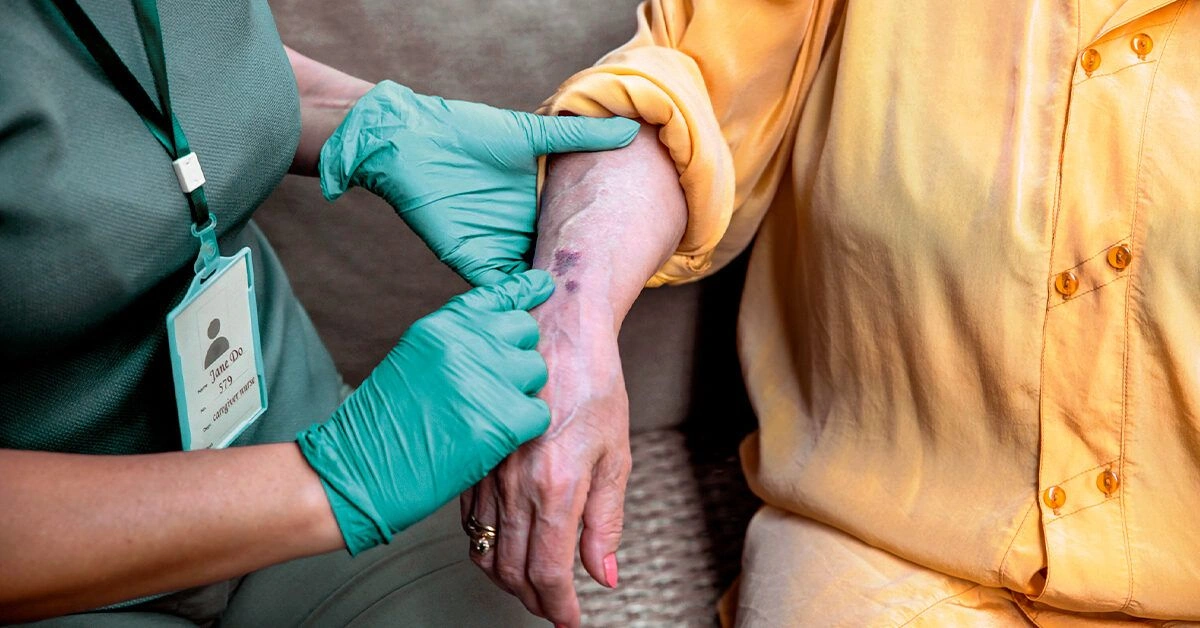
Purpura develops when tiny blood vessels rupture beneath the skin. It tends to appear more frequently in individuals who have low platelet levels in their blood, often as a result of an underlying medical issue. Reviewing Pictures of senile purpura and related skin changes can help you recognize the condition early and understand when medical evaluation is necessary. (img by Vecteezy) What is purpura? Purpura, sometimes referred to as blood…
Understanding Rashes and Bruising in Leukemia
Key takeaways Leukemia can lead to noticeable skin changes when abnormal white blood cells displace healthy blood cells. Typical signs include rashes, unexplained bruising, and sores inside the mouth. Petechiae are tiny red or dark pinpoint spots caused by broken capillaries when platelet counts are low. Reduced platelets can also result in frequent bruising and bleeding that is difficult to stop. Leukemia cutis is uncommon, but it occurs when leukemia…
Actinic purpura (Senile Purpura)
Actinic purpura is a benign condition characterized by easy bruising that primarily affects older adults. It is also commonly referred to as “senile purpura.” This condition develops because, as we age, the skin and underlying blood vessels become thinner and more delicate, making them increasingly vulnerable to bruising from even minor bumps or trauma. It differs from disorders that cause easy bruising due to underlying bleeding abnormalities. For individuals searching…
Everything You Should Know About Psychomotor Agitation
Psychomotor agitation usually involves repetitive movements — such as toe-tapping or constant fidgeting — along with rapid, racing thoughts. This symptom appears across a variety of mood-related conditions. People affected by psychomotor agitation perform purposeless actions, like pacing around a room, tapping their toes, or speaking quickly without pause. Psychomotor agitation frequently accompanies mania or anxiety and is most commonly observed in individuals with bipolar disorder. It can also arise…
All About Salt Pipes (Salt Inhalers)
A salt pipe is a device used to inhale tiny salt particles. Supporters of salt pipes claim they can aid various health issues, including asthma, though rigorous scientific backing is sparse. Salt therapy, often called halotherapy, may include the use of salt pipes. Proponents of halotherapy — based largely on anecdotal reports and some natural-health advocates — suggest it might help with: respiratory problems like allergies, asthma, and bronchitis mental…