
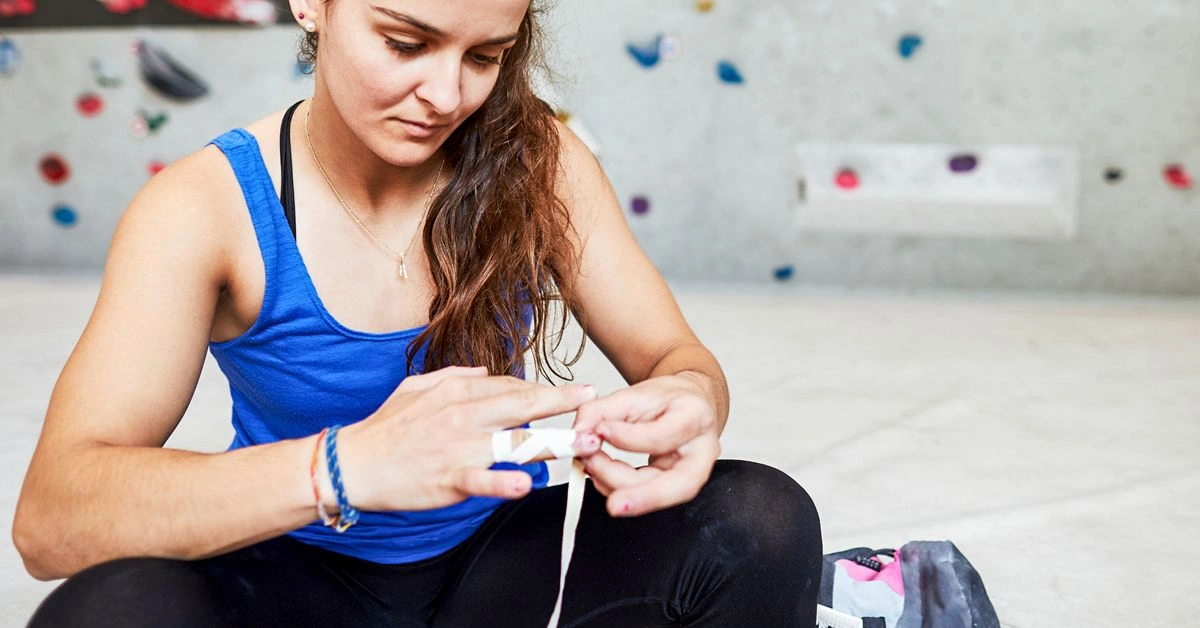
When to buddy tape
Buddy taping is a simple, convenient approach to manage a hurt finger or toe. The technique involves securing the injured digit to an adjacent, uninjured one with tape.
The healthy digit acts like a splint, offering support, protection, and helping to realign the injured finger or toe. It also reduces the risk of further damage to the injured digit.
Buddy taping is appropriate for minor injuries such as sprains or strains of fingers and toes. Avoid using it if the injury produces an obvious deformity, like a bone sitting at an abnormal angle.
Seek professional care if you have open wounds that may need stitches, bones visibly out of position, or severe pain.
Continue reading for step-by-step instructions on buddy taping and guidance on when this method should or should not be used.
How to buddy tape
You can buddy tape your own fingers or toes, though having someone assist you can make the process easier.
When taping toes, always secure the injured toe to the neighboring toe that is closer to your big toe. Avoid taping the big toe to another toe. If the toe next to your big toe is injured, tape it to the middle toe. If your big toe is harmed, you can tape it by itself to stabilize it if needed.
For fingers, experiment to choose the best digit to tape the injured finger to. Taping the ring finger to the middle finger can provide greater stability, whereas taping it to the little finger may permit more movement.
The same choice applies to the middle finger—decide whether to tape it to the index or the ring finger. Similar to toes, you should avoid buddy taping the thumb to another digit, though you may tape the thumb by itself for support.
Supplies
To buddy tape, gather:
- alcohol or antiseptic wipes
- soft padding such as foam, gauze, or cotton
- medical cloth or zinc oxide tape
- scissors
Steps
To buddy tape a finger or toe:
- If the skin is broken, clean the area with alcohol or antiseptic wipes.
- Thoroughly dry the skin and place padding between the digits.
- Begin wrapping the tape at the base of the fingers or toes.
- Wrap around two to three times. Apply gentle pressure without overtightening.
- After taping, verify that circulation remains adequate. Press the tips of the fingers or toes for a few seconds and then let go. If color returns quickly, the wrap is not too tight. If the tips remain pale, the tape is too tight—remove it and reapply.
Tips
- Pre-cut the tape strips before you start to make application smoother.
- Replace the tape after each shower or bath to avoid skin irritation.
- Always clean the area between applications.
- Monitor how the skin responds and heals. Look for signs of infection or irritation.
- Remove the tape if you notice pain or numbness.
- Use narrower strips of tape if you need a more comfortable fit.
Illustrations of buddy taping
.jpg)
How long will it take to recover?
Typically, a toe or finger will recover in two to six weeks. To support recovery:
- apply ice and elevate the injured hand or foot as much as possible, especially during the initial days
- use a nonsteroidal anti-inflammatory drug (NSAID) like ibuprofen to ease pain
- avoid putting pressure on the injured digits and refrain from activities that could strain them
- rest the injured digit as much as you can
Why does buddy taping help?
The uninjured digit serves as a splint, keeping the injured digit in a proper position and shielding it from additional harm.
Stabilizing the injured finger or toe limits unnecessary motion and reduces swelling. These effects together foster a faster recovery.
Is it safe?
Buddy taping is generally safe for most people, but complications can occur if it’s not applied correctly. Watch how your injury is healing and stop using the tape if symptoms worsen.
One potential issue is stiffness in the taped digits, which may make movement difficult. Make sure the tape is loose enough to allow healthy blood flow.
Do not use buddy taping if you have:
- diabetes
- peripheral arterial disease
- any circulation problems
Tape can irritate the skin where it contacts and between digits. Inspect your skin each time you change the tape for redness, swelling, or drainage.
Never tape over open wounds, cuts, or broken skin; covering injured skin can increase infection risk and may lead to tissue death (necrosis).
When to seek help
Get medical attention if you:
- experience severe pain, swelling, or color changes in the finger or toe that don’t improve in a few days
- suspect a broken finger or cannot straighten it
- believe you need stitches
- have a toe injury that makes walking or wearing shoes difficult, or a finger injury that impairs holding objects or using your hand
The takeaway
When applied correctly, buddy taping can be an effective way to support healing. Monitor your progress to ensure recovery proceeds without complications.
Always consult your doctor if you have concerns or if the injury seems to be worsening. As healing advances, take care of yourself by resting, eating well, and doing safe exercises that don’t stress the injured hand or foot.





















Leave a Reply
You must be logged in to post a comment.