Oral Health
Oral Health offers guidance on brushing, flossing, and preventing dental issues to help maintain healthy teeth and gums for a brighter smile.

Veneers vs. Crowns: What’s the Difference and Which One Is Right for You?
Veneers and crowns both can transform the look of your teeth, and each choice brings its own advantages and drawbacks. Both veneers and crowns are restorative dental options designed to enhance the appearance and function of teeth. The key distinction is that a veneer only covers the front surface of a tooth, whereas a crown encapsulates the entire tooth structure. Dental restoration treatments can be expensive, so it’s valuable to…
Everything You Need to Know About Composite Veneers
What are composite veneers? If you’ve been thinking about enhancing your smile, dental veneers could be an excellent option. Veneers are slender shells that sit over the front surfaces of your natural teeth to enhance their look. They’re one of several cosmetic approaches available. Other alternatives include tooth bonding and enamel reshaping, as well as crowns. There are two principal categories of veneers: porcelain and composite. As the name implies,…
Benefits of Aloe Vera for Your Gums
Aloe vera offers anti-inflammatory and antibacterial qualities and is packed with antioxidants. For these reasons, some people turn to aloe vera to ease inflammation linked to gum disease and other dental concerns. Inflammation is a natural part of the immune response, but it can cause: pain swelling discomfort The yellow sap that oozes from a cut aloe leaf contains compounds that can relieve pain. Additionally, the plant provides six antiseptic…
Everything You Need to Know About Partial Dentures
Key takeaways Partial dentures can replace multiple missing teeth, improving chewing, speech, and maintaining the alignment of remaining teeth. There are several kinds of partial dentures that differ by material (metal, acrylic, flexible), position (front or back teeth), and attachment style (clasps or precision attachments). Each choice has distinct durability and cosmetic trade-offs. Partial denture pricing depends on materials, number of teeth replaced, and attachment type; dental insurance, Medicare Advantage…
10 Home Remedies for Gingivitis
Gingivitis can often be managed and averted with simple self-care approaches. Ideally, preventing it is the best strategy, but many people find relief using home treatments. At-home options are affordable and can be effective, particularly in the early phases of gingivitis. Although these remedies are generally safe, consult a healthcare professional before trying them if you are pregnant, breastfeeding or chestfeeding, or have any underlying medical conditions. Below are 10…
What You Need to Know About a Flipper Tooth (Temporary Partial Denture)
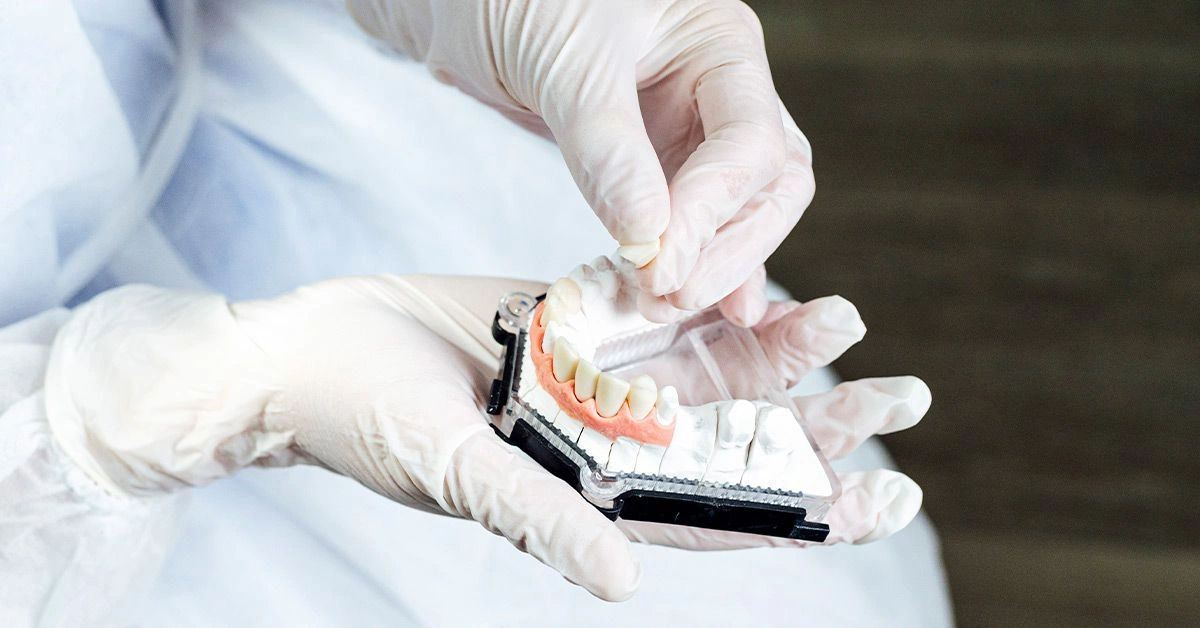
If you’ve lost teeth, there are several ways to restore the look and function of your smile. One option is a flipper tooth, often referred to as an acrylic removable partial denture. A flipper tooth is a removable appliance that rests against the roof of your mouth (the palate) or sits on the lower jaw, with one or more artificial teeth attached. When worn, it recreates the appearance of a…
Things You Can Try at Home to Eliminate Bad Breath
Good oral care, along with eating foods like parsley and pineapple, can help alleviate halitosis that begins in the mouth. If an underlying medical issue is producing unpleasant breath, treating that condition may improve the odor. Some people mistakenly believe their breath is offensive when it is actually neutral. Others have strong breath but aren’t aware of it. It’s often difficult to detect your own breath, let alone accurately assess…

8 Tips to Get Rid of Garlic and Onion Breath
To eliminate the lingering garlic odor in your mouth, try a few practical approaches like munching on fresh produce, using mouthwash, or brushing your teeth. Keep in mind, though, that garlic breath can originate from gases in the lungs as well as the mouth. Everyone experiences unpleasant breath at times. A wide range of factors — from diet to medical issues — can cause halitosis. Among the most notorious culprits…
The Truth About Receding Gums
Receding gums occur when the gum tissue pulls away from a tooth, exposing the sensitive root surface. This creates narrow gaps where plaque — a sticky layer of bacteria — can accumulate. That buildup can accelerate further recession. If left unaddressed, it may ultimately result in loss of bone and teeth. A variety of factors contribute to receding gums, including inadequate oral care, overly vigorous brushing, and the effects of…
How to Get Rid of a Receding Chin
What is a receding chin? Retrogenia refers to a condition in which the chin sits somewhat back toward the neck. This characteristic is often described as a receding chin or a weak chin. (img by Dr. Guy Watts) (img by source) What causes it? The jaw is a complex assembly of bone and soft tissues. The structure commonly referred to as the jaw is the mandible, or lower jaw. The…