Can You Use Coconut Oil to Treat Bacterial Vaginosis?

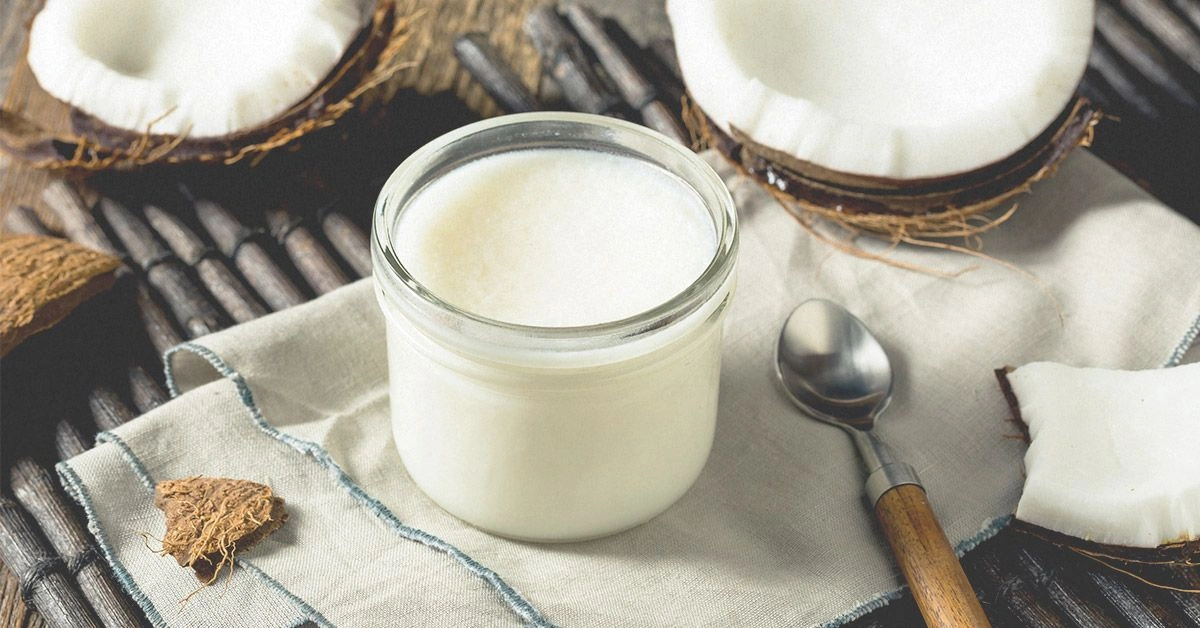
Coconut oil isn’t recommended for BV
Bacterial vaginosis (BV) is a widespread vaginal infection that develops when there’s an imbalance in the natural bacteria inside the vagina. Although some mild vaginal infections may respond to supportive home care, not every natural remedy is suitable for BV. One frequently discussed option is Coconut oil for vaginal infection, but experts do not recommend it for treating bacterial vaginosis.

Coconut oil is known for its antifungal, antibacterial, and anti-inflammatory properties. However, current scientific evidence does not support its effectiveness as a BV treatment. While it may sound appealing as a natural solution for vaginal health, its composition makes it less than ideal for this specific condition.
This oil contains high levels of medium-chain fatty acids, meaning it doesn’t readily dissolve in the vaginal environment. Instead of restoring balance, it may sit on the vaginal tissues for extended periods.
Because coconut oil acts as an emollient, it seals in moisture where it’s applied. In the vaginal area, this can potentially create a warm, moist setting that encourages bacterial growth — including the bacteria linked to BV. For this reason, using coconut oil internally may worsen symptoms such as discharge or odor rather than relieve them.
Below, we’ll explore how coconut oil interacts with vaginal bacteria, when it may be helpful for other concerns, and what evidence-based alternatives exist for managing BV safely.
Effects of coconut oil on bacteria
Coconut oil has demonstrated antimicrobial effects on various bacterial strains, including E. coli and certain bacteria responsible for staph infections.

However, BV is most commonly associated with the overgrowth of Gardnerella vaginalis. At this time, medical studies have not confirmed that coconut oil can eliminate or inhibit the growth of Gardnerella vaginalis. Without clear evidence targeting the specific bacteria responsible for BV, coconut oil cannot be considered a reliable therapy for this condition.
It’s also important to recognize that the vaginal microbiome is delicate. Introducing substances that alter moisture levels or pH balance may unintentionally disrupt beneficial bacteria such as lactobacilli, which play a protective role in vaginal health.
Antifungal effects of coconut oil
Coconut oil has demonstrated antifungal properties and has been shown to be effective against certain strains of the Candida fungus. Overgrowth of Candida leads to yeast infections, which are different from bacterial vaginosis.
Because BV and yeast infections can share symptoms — such as unusual discharge, discomfort, and irritation — they are sometimes confused. In fact, an estimated 62 percent of women with BV initially believe they have a yeast infection. Despite overlapping signs, these are separate conditions with distinct causes, risk factors, and recommended treatments.
In cases of yeast infection, coconut oil may provide some benefit due to its antifungal activity. Some individuals even explore Coconut oil for vaginal itching related to fungal irritation. However, this does not translate into effectiveness for BV, which is bacterial rather than fungal in nature.
Additionally, some people wonder whether oil-based products can upset the vaginal environment and ask, Can coconut oil cause yeast infection? While research is limited, any product that disrupts normal flora could theoretically contribute to imbalance in susceptible individuals.
Coconut oil isn’t an effective BV treatment
Even though coconut oil contains antibacterial and anti-inflammatory compounds, current research does not support it as an effective treatment for BV. More importantly, its occlusive nature may intensify symptoms by trapping moisture and encouraging bacterial overgrowth. For those experiencing persistent discharge, odor, or irritation, relying solely on coconut oil may delay proper care.
Other alternative treatments
Although coconut oil is not advised for BV management, some other home-based approaches have been explored. These include:
- garlic
- tea tree oil
- yogurt
- probiotics
- hydrogen peroxide
- boric acid
Each of these options has varying levels of supporting evidence, and results can differ from person to person. For example, probiotics may help restore healthy vaginal flora by supporting lactobacilli populations. Yogurt containing live cultures may also contribute to microbial balance when included as part of a balanced diet.
Before trying any home remedy, it’s essential to speak with your healthcare provider — particularly if you are pregnant, have recurring infections, or are unsure of your diagnosis. Self-treatment without confirmation may lead to prolonged symptoms or complications.
When to seek help
If home strategies aren’t improving your symptoms, consult your doctor. Untreated BV can increase your risk of acquiring a sexually transmitted infection (STI).
For individuals who are pregnant, untreated BV may raise the risk of complications, including preterm birth. Prompt medical care is especially important during pregnancy.
Your healthcare provider will typically confirm BV through a pelvic examination. A vaginal swab may be collected and analyzed in a laboratory to detect the presence of specific bacteria associated with the condition.
Medical treatments
Once BV is officially diagnosed, your doctor will usually prescribe one of two antibiotics:
- metronidazole (Flagyl)
- clindamycin
These antibiotics can be taken orally or administered topically as a prescription gel or cream. Common side effects may include:
- nausea
- vomiting
- stomach pain
- vaginal itching
Metronidazole can also cause a metallic taste in the mouth and a coated or fuzzy tongue sensation. Symptom relief typically begins within several days, though the full course may last up to seven days.
Your provider may advise avoiding sexual activity during treatment. Wearing breathable cotton underwear can help reduce moisture buildup and promote comfort while healing.
It’s crucial to complete the entire prescribed antibiotic course, even if symptoms improve early. Stopping medication prematurely can increase the risk of recurrence. Some clinicians recommend incorporating probiotics or probiotic-rich foods, such as yogurt, during antibiotic therapy to help maintain microbial balance and lower the risk of developing a yeast infection.
Alcohol should be avoided while taking antibiotics, particularly metronidazole, due to potential adverse reactions.
How to prevent BV
Taking proactive steps can help reduce the likelihood of recurrent BV. Prevention strategies include:
- Avoiding harsh soaps, scented hygiene products, and douching, which can disrupt the vagina’s natural pH balance.
- Using condoms, including dental dams for oral sex, especially with new sexual partners.
Although BV is not classified strictly as an STI, sexual activity is associated with changes in vaginal bacteria. The risk appears to increase with multiple sexual partners.
Researchers continue to study how BV-related bacteria may be transmitted. Men who have had more than one sexual partner may be more likely to carry BV-associated bacteria on the penis, potentially contributing to imbalance in partners.
Pregnancy is another factor that can elevate the risk of BV, likely due to hormonal changes affecting the vaginal environment.
Takeaway
Bacterial vaginosis is a common condition resulting from an imbalance of vaginal bacteria. While natural remedies are often appealing, Coconut oil for vaginal infection is not considered an effective or recommended treatment for BV. In some cases, applying coconut oil internally may even intensify symptoms.
Evidence-based treatments — particularly antibiotics — remain the most reliable way to resolve BV. If you’re considering home remedies, consult your healthcare provider first, especially during pregnancy.
Ignoring BV can increase the risk of complications, including a greater likelihood of STIs. If you suspect you may have BV, seek medical evaluation to receive an accurate diagnosis and appropriate care.
FAQ
No, current scientific evidence does not support coconut oil as an effective treatment for bacterial vaginosis. Experts do not recommend it because it may worsen symptoms by creating a moist environment that encourages bacterial growth.
Coconut oil is occlusive and can trap moisture in the vaginal area, potentially creating a warm environment that promotes the growth of BV-associated bacteria like Gardnerella vaginalis, rather than eliminating it.
Coconut oil has demonstrated antifungal properties against Candida, which causes yeast infections. It may provide some benefit for fungal-related vaginal itching, but this does not translate to effectiveness for bacterial vaginosis.
Medical treatments for diagnosed BV typically involve prescribed antibiotics such as metronidazole or clindamycin, administered orally or topically. These are considered the most reliable way to resolve the infection.
Consult a healthcare provider if you experience symptoms like unusual discharge or odor, especially if home strategies don’t help. Untreated BV can increase the risk of STIs and, during pregnancy, may lead to complications like preterm birth.
Read Next
Everything You Should Know About Health Benefits of Ginger Oil

How to Identify and Treat Spider Bites

Arbonne Diet Review: Overview, Effectiveness, and More

If You’re Transitioning, Breast Growth Is Possible — Here’s What You Need to Know
Carob Powder: 9 Nutrition Facts and Health Benefits

Sublocade vs. Suboxone: What You Should Know
Related Posts

5 Ways to Reduce Stress-Related Tension in Your Neck and Shoulders
Sep 23, 2026 • 25 min read
Does My Chocolate Craving Mean Anything?
Oct 8, 2026 • 17 min read
What You Need to Know About a Full Liquid Diet
Sep 4, 2026 • 32 min read
The 10 Best Silicone-Free Shampoos
Oct 3, 2026 • 17 min read
The 7 Best Mattresses for Pregnancy
Sep 17, 2026 • 8 min read