

Healthline Diet Score: 1.21 out of 5
The Dr. Sebi diet, often called the Dr. Sebi alkaline diet, is a plant-centered eating plan created by the late Alfredo Darrington Bowman, known as Dr. Sebi. Proponents say it rejuvenates cells by removing toxic buildup, a process they claim is achieved by making the blood more alkaline.
The regimen centers on a short approved-food list plus numerous branded supplements.
Still, you might question whether its assertions are backed by science — and whether the approach is safe.
This article examines the potential advantages and drawbacks of the Dr. Sebi diet.
DIET REVIEW SCORECARDOverall score: 1.2 Weight loss: 2.5 Healthy eating: 0.25 Sustainability: 1 Whole body health: 0 Nutrition quality: 2 Evidence based: 1.5BOTTOM LINE: The Dr. Sebi diet is a vegan-style eating plan that promotes purchasing specific supplements. Because it makes unfounded health claims and is overly restrictive, costly, and deficient in certain nutrients, it’s not recommended.
What is the Dr. Sebi diet?
The diet stems from the African Bio-Mineral Balance concept and was popularized by self-taught herbalist Alfredo Darrington Bowman — better known as Dr. Sebi. Despite his title, he was not a licensed medical doctor nor did he hold a doctorate.
He created this regimen for people seeking to naturally treat or prevent illness and boost overall health without conventional Western medical treatments.
Dr. Sebi asserted that disease arises from mucus accumulation anywhere in the body. For example, he claimed pneumonia results from mucus in the lungs and diabetes from excess mucus in the pancreas.
He believed that diseases cannot thrive in an alkaline environment and appear when the body becomes too acidic. His diet and proprietary, often expensive supplements are marketed to restore the body’s supposed natural alkaline state and detoxify diseased tissue.
Initially, Dr. Sebi maintained that the plan could cure conditions such as AIDS, sickle cell anemia, leukemia, and lupus. After a 1993 legal action, he was ordered to stop making those claims.
The diet consists of a narrowly defined list of allowable vegetables, fruits, grains, nuts, seeds, oils, and herbs. With no animal products permitted, the Dr. Sebi diet is essentially a vegan approach.
Sebi recommended lifelong adherence, arguing that the body needs consistent compliance to heal itself.
Although many adherents report improvements, there are no rigorous scientific studies validating these testimonials.
Summary: The Dr. Sebi diet focuses on foods and supplements claimed to reduce disease-causing mucus by producing an alkaline state in the body. However, no scientific evidence supports these assertions.
How to follow the Dr. Sebi diet
The Dr. Sebi diet imposes strict rules. According to his materials, they include:
- Rule 1. Eat only items listed in the nutrition guide.
- Rule 2.Consume 1 gallon (3.8 liters) of water daily.
- Rule 3.Take Dr. Sebi-branded supplements at least 1 hour before any medications.
- Rule 4.No animal-derived foods are allowed.
- Rule 5.Avoid alcohol.
- Rule 6.Exclude wheat and eat only the “natural-growing grains” on the list.
- Rule 7.Do not use a microwave to avoid “killing” the food.
- Rule 8.Steer clear of canned or seedless fruits.
There are no explicit macronutrient targets. However, the diet tends to be low in protein since beans, lentils, meat, and soy are largely disallowed. Protein is a vital nutrient for muscle, skin, and joint health (1, 2).
You’re also encouraged to buy Dr. Sebi’s “cell food” supplements, which claim to cleanse the body and nourish cells.
The program doesn’t offer concrete supplement regimens; instead, it suggests choosing products tailored to your health concerns.
For instance, “Bio Ferro” capsules claim to support liver health, purify blood, boost immunity, assist weight loss, aid digestion, and enhance general wellness.
But these supplements often lack full ingredient disclosures and quantified nutrient amounts, making it hard to judge whether they meet nutritional requirements.
Summary: The Dr. Sebi diet includes eight core rules focused on consuming only allowed foods, avoiding animal products and processed items, drinking lots of water, and taking proprietary supplements.
Can the Dr. Sebi diet help you lose weight?
Although the plan wasn’t designed primarily for weight loss, you may drop pounds while following it.
The diet discourages a typical Western pattern high in ultra-processed foods, salt, sugar, fat, and calories (3).
Instead, it emphasizes minimally processed, plant-based foods. Compared with Western diets, plant-focused diets are associated with lower rates of obesity and cardiovascular disease (4).
One 12-month trial of 65 participants showed that those following an unrestricted whole-food, low-fat, plant-based diet lost notably more weight than controls (5).
At 6 months, the diet group lost an average of 26.6 pounds (12.1 kg) compared with 3.5 pounds (1.6 kg) in the control group (5).
Most permitted foods are low in calories, aside from nuts, seeds, avocados, and oils. Therefore, eating large amounts of allowed items is unlikely to cause a calorie surplus and weight gain.
However, very low-calorie regimens are often hard to maintain; many people regain weight after returning to usual eating patterns (6).
Because the plan does not specify serving sizes or calorie targets, it’s unclear whether it supports sustainable weight loss.
Summary: The Dr. Sebi diet is not primarily a weight-loss program but is low in calories and limits processed foods, so weight loss is possible while following it.
Potential benefits of the Dr. Sebi diet
One clear benefit of the Dr. Sebi approach is its emphasis on plant-based foods.
The diet promotes vegetables and fruits, which supply fiber, vitamins, minerals, and phytochemicals. Diets rich in produce are associated with reduced inflammation, lower oxidative stress, and protection against various diseases (7, 8).
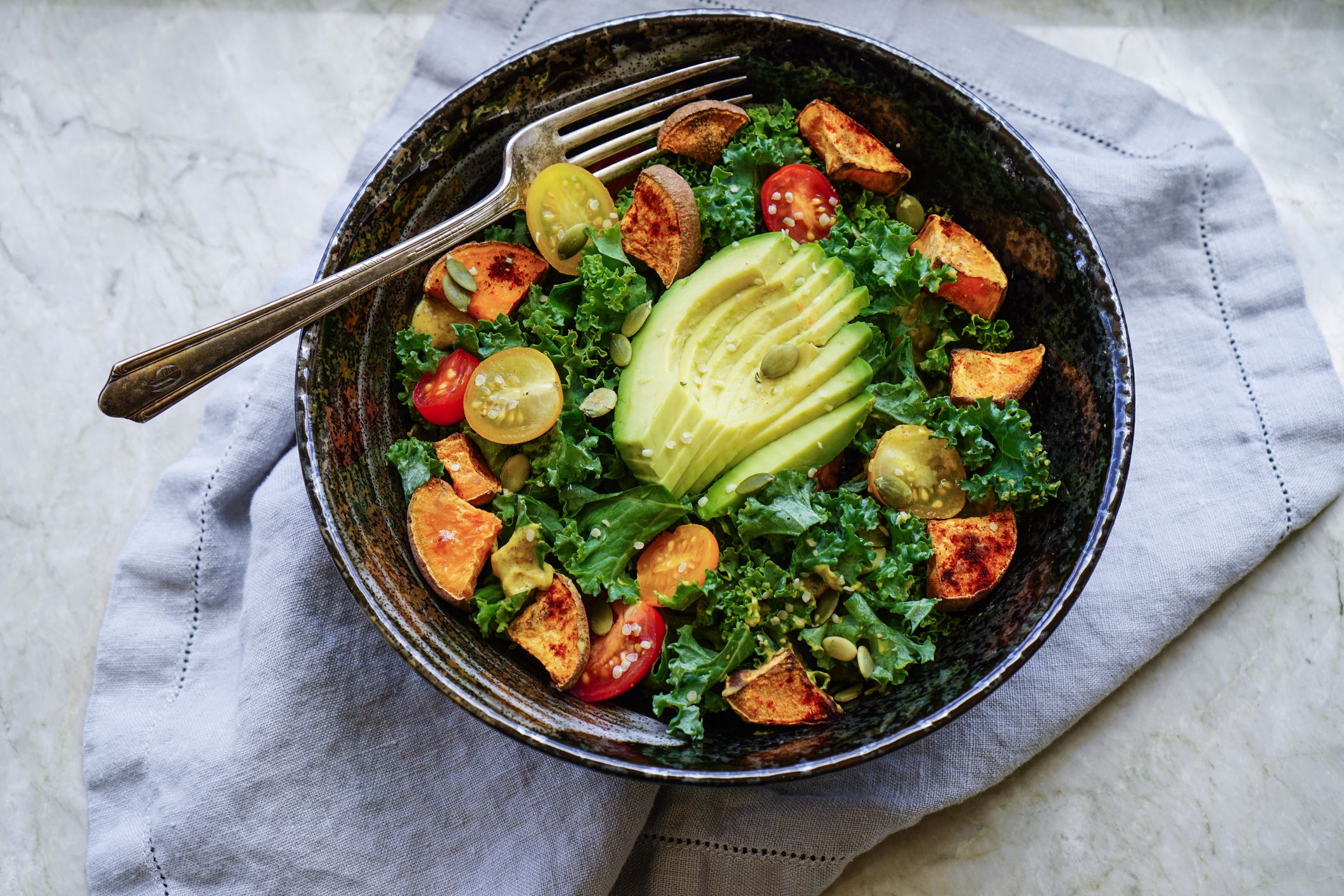
In a cohort of 65,226 people, those consuming seven or more servings of fruits and vegetables daily had 25% and 31% lower rates of cancer and heart disease, respectively (9).
Moreover, many individuals fall short of produce recommendations. One report showed only 9.3% and 12.2% of Americans met vegetable and fruit intake guidelines, respectively (10).
The diet also encourages fiber-rich whole grains and healthy plant fats like nuts, seeds, and oils — foods linked to lower cardiovascular risk (11).
Finally, minimizing ultra-processed foods generally improves diet quality (12).
Summary: The Dr. Sebi diet prioritizes fruits, vegetables, whole grains, and healthy plant fats — foods that may reduce the risk of heart disease, cancer, and inflammation.
Downsides of the Dr. Sebi diet
There are several important shortcomings to consider.
Highly restrictive
A central drawback is the diet’s exclusion of large food categories, including all animal products, wheat, beans, lentils, and many common fruits and vegetables.
It’s so selective that only particular varieties of some foods are allowed; for example, cherry or plum tomatoes are permitted but not beefsteak or Roma types.
Such rigid limitations may make the diet unenjoyable and foster an unhealthy relationship with food, especially because the plan demonizes items not on its list (13).
The regimen also promotes problematic habits, like relying on supplements to feel full. Since supplements typically aren’t major calorie sources, this recommendation can encourage unhealthy eating patterns (13).
Lacks protein and other essential nutrients
While many allowed foods are nutrient-rich, the permitted list contains few good protein sources.
Protein is essential for skin, muscle, enzyme, and hormone functions (2, 14, 15).
Only walnuts, Brazil nuts, sesame seeds, and hemp seeds are allowed, and these are not high-quality protein sources. For instance, 1/4 cup (25 g) of walnuts and 3 tablespoons (30 g) of hemp seeds provide about 4 and 9 grams of protein, respectively (16, 17).
Meeting daily protein requirements would therefore demand very large amounts of these foods.
Although the diet supplies certain nutrients like beta-carotene, potassium, and vitamins C and E, it is low in omega-3s, iron, calcium, and vitamins D and B12 — nutrients commonly of concern for strict plant-based eaters (18).
The Dr. Sebi site notes that some supplement ingredients are proprietary, which is worrisome because it obscures what and how much you’re consuming, making it tough to determine if nutrient needs are met.
Not based on science
A major issue is the lack of scientific support for the diet’s core claims.
The program suggests its foods and supplements control the body’s acidity. Yet the body tightly manages acid-base balance to keep blood pH around 7.36–7.44, naturally slightly alkaline (19).
In rare situations, such as diabetic ketoacidosis, blood pH can fall outside this range, which is life-threatening without urgent care (20).
Research indicates diet can modestly alter urine pH but does not change blood pH. Thus, following the Dr. Sebi diet will not alkalize your blood (21).
Summary: The Dr. Sebi diet could lead to weight loss but is highly restrictive and deficient in many crucial nutrients like protein, omega-3s, iron, calcium, and vitamins D and B12. It also ignores the body’s natural control of blood pH.
Is the Dr. Sebi diet safe?
Because the diet is so limited, it excludes many nutrients necessary for long-term health. Although short-term adherence might be tolerable, it’s not a sustainable or balanced approach. More importantly, no diet can reliably alkalize your blood (21).
Following this eating plan beyond a few weeks could increase the risk of micronutrient deficiencies and undernutrition, as it omits foods rich in protein, omega-3 fatty acids, calcium, iron, and vitamins D and B12 (2, 14, 15, 18).
These nutrient gaps can be especially harmful for people with iron-deficiency anemia, osteoporosis, or osteopenia, as the diet may worsen these conditions (22).
A lack of vitamin B12 can lead to pernicious anemia, causing fatigue, memory issues, breathlessness, numbness or tingling in the hands and feet, and a sore, red tongue (23).
This eating plan is unsafe for certain populations, including people with a history of eating disorders and pregnant individuals (13, 24).
People with kidney disease should seek medical or dietetic guidance before attempting this diet (25).
Summary: The Dr. Sebi diet is not safe over the long term due to the risk of nutrient deficiencies. Avoid it if you are pregnant or have a history of disordered eating.
Foods to eat on the Dr. Sebi diet
Dr. Sebi’s nutrition guide permits a narrow selection of foods, including:
- Fruits: apples, cantaloupe, currants, dates, figs, elderberries, papayas, berries, peaches, soft jelly coconuts, pears, plums, seeded key limes, mangoes, prickly pears, seeded melons, Latin or West Indies soursop, and tamarind
- Vegetables: avocado, bell peppers, cactus flower, chickpeas, cucumber, dandelion greens, kale, lettuce (except iceberg), mushrooms (except shiitake), okra, olives, sea vegetables, squash, tomatoes (only cherry and plum), and zucchini
- Grains: fonio, amaranth, Khorasan wheat (Kamut), rye, wild rice, spelt, teff, and quinoa
- Nuts and Seeds: Brazil nuts, hemp seeds, raw sesame seeds, raw tahini butter, and walnuts
- Oils: avocado oil, coconut oil (uncooked), grapeseed oil, hempseed oil, olive oil (uncooked), and sesame oil
- Herbal teas: elderberry, chamomile, fennel, tila, burdock, ginger, and raspberry
- Spices: oregano, basil, cloves, bay leaf, dill, sweet basil, achiote, cayenne, habanero, tarragon, onion powder, sage, pure sea salt, thyme, powdered granulated seaweed, pure agave syrup, and date sugar
Besides tea, water is permitted as a beverage.
Allowed grains may be used to make pasta, cereal, bread, or flour-based foods. However, anything leavened with yeast or baking powder is disallowed.
Which foods are alkaline rich?
Since diet has little effect on blood pH, there’s no scientific justification for restricting intake exclusively to the foods on Dr. Sebi’s list (21).
Alkaline-promoting choices include a wide range of vegetables, fruits, nuts, and whole grains. Studies show that eating a variety of these foods supports health and longevity (26, 27).
Therefore, there are many valid reasons to increase plant-based foods in your diet beyond Dr. Sebi’s permitted list.
Consider also including these items in a balanced diet:
- Fruits: fresh coconut, bananas, and kiwi
- Vegetables: potatoes, Swiss chard, Brussels sprouts, broccoli, iceberg lettuce, cauliflower, and soybeans
- Legumes: lentils and beans
- Proteins: tofu
Summary: The Dr. Sebi diet restricts permitted foods tightly. A healthy diet, however, should include a broader array of plant-based and other nutrient-dense foods.
Foods to avoid on the Dr. Sebi diet
Anything not listed in the nutrition guide is prohibited, including:
- canned fruit or vegetables
- seedless fruit
- eggs
- dairy
- fish
- red meat
- poultry
- soy products
- processed foods, including takeout or restaurant meals
- fortified foods
- wheat
- sugar (except date sugar and agave syrup)
- alcohol
- yeast or foods risen with yeast
- foods made with baking powder
Many common vegetables, fruits, grains, nuts, and seeds are also excluded.
Summary: The diet bans processed and animal-based foods and items made with leavening agents. Numerous plant foods are also disallowed.
Sample menu and recipes
Below is a 3-day sample menu that follows the Dr. Sebi guidelines.
Day 1
- Breakfast:2 banana-spelt pancakes drizzled with agave syrup
- Snack:1 cup (240 mL) green juice smoothie with cucumbers, kale, apples, and ginger
- Lunch: kale salad with tomatoes, onions, avocado, dandelion greens, and chickpeas, dressed with olive oil and basil
- Snack: herbal tea with fruit
- Dinner: vegetable and wild rice stir-fry
Day 2
- Breakfast:shake made with water, hemp seeds, bananas, and strawberries
- Snack:blueberry muffins made using blueberries, pure coconut milk, agave syrup, sea salt, oil, and teff and spelt flour
- Lunch: homemade pizza on a spelt-crust with Brazil nut “cheese” and vegetables
- Snack: tahini on rye bread with sliced red pepper
- Dinner: chickpea burger with tomato, onion, and kale on spelt flatbread
Day 3
- Breakfast: cooked quinoa with agave syrup, peaches, and pure coconut milk
- Snack: chamomile tea with seeded grapes and sesame seeds
- Lunch: spelt pasta salad with chopped vegetables, olive oil, and Key lime dressing
- Snack: smoothie with mango, banana, and pure coconut milk
- Dinner: robust vegetable soup with mushrooms, red peppers, zucchini, onions, kale, spices, water, and powdered seaweed
Summary: This sample meal plan highlights the permitted ingredients in the diet’s guide, emphasizing vegetables and fruits with modest amounts of other allowed groups.
The bottom line
The Dr. Sebi diet encourages whole, unprocessed, plant-based foods.
While it may lead to weight loss, it depends heavily on the founder’s costly supplements, is overly restrictive, lacks certain key nutrients, and falsely promises to change the body’s blood pH.
If you want to eat more plants, there are many other healthy diets that are more flexible and sustainable.
Just one thing
Try this today: For a protein-boosted, plant-based snack, toss your favorite raw or dry-roasted unsalted nuts with olive oil and spices such as black pepper, cayenne, cumin, garlic, rosemary, or a chili/curry blend.
Bake at 350ºF (177ºC) for 10–12 minutes, until golden. Cool and enjoy.

















Leave a Reply
You must be logged in to post a comment.