

Enameloplasty is a cosmetic dental technique that involves removing a small portion of tooth enamel to alter a tooth’s size, shape, length, or surface texture.
Enameloplasty is frequently referred to by other names, including:
- odontoplasty
- tooth recontouring
- tooth reshaping
- tooth stripping
- tooth shaving
The treatment is most commonly carried out on the front teeth for aesthetic reasons, such as repairing a chipped tooth or creating a more consistent tooth length.

How is enameloplasty performed?
Your dentist will use tools like a burr, dental drill, or sanding disc to remove enamel and sculpt a tooth to the desired form. After shaping, the tooth is polished to smooth the surface and refine the appearance.
Does it hurt?
Enamel itself lacks nerves, so the process is not painful.
How long does it take?
Procedure time varies depending on how many teeth are being adjusted, but it generally takes no more than 30 minutes.
What’s the recovery time?
There is no recovery period. The treatment is straightforward, quick, and comfortable.
How often does this need to be done?
Because enamel does not regenerate, enameloplasty is typically a one-time procedure. The changes are permanent.
Is enameloplasty covered by insurance?
As enameloplasty is mainly cosmetic, many insurance plans may not cover it. However, it’s advisable to confirm coverage details with your insurer.
What are the side effects of enameloplasty?
Aside from the planned adjustments in tooth length, shape, size, or surface discussed with your dentist beforehand, you should not expect significant side effects. In some cases, your bite might change slightly.
It’s important to remember that enamel is the hard protective layer over your teeth that helps prevent decay. Because enamel contains no living cells, it cannot repair itself and will not grow back once removed.
What are other options for changing the shape of teeth?
Besides enameloplasty, other methods to modify tooth shape and size include:
- bonding: applying a tooth-colored composite that can be sculpted and polished
- crowns: placing a porcelain, ceramic, or resin cap over a tooth
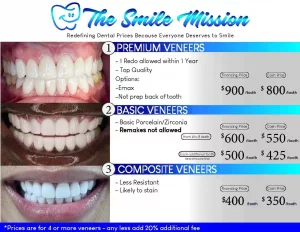
Enameloplasty is often combined with treatments such as bonding or veneers. Veneers are thin, tooth-colored shells that are bonded to the front surfaces of teeth.
What if I have braces?
If you wear braces, discuss enameloplasty with your orthodontist. Often, reshaping teeth after braces are removed is considered part of orthodontic care and may be provided without extra charge.
Why would I want enameloplasty?
Many people choose enameloplasty to enhance the look of their smile, which can also increase self-esteem.
A 2013 study by the American Association of Orthodontists showed that 75 percent of adults surveyed felt their post-orthodontic smile positively affected their personal and professional relationships.
Additionally, 92 percent reported they would recommend the same treatment to others because it boosted their self-confidence.
Takeaway
Enameloplasty is a fast dental procedure that makes minor corrections to tooth size, shape, length, or surface. It can address cosmetic concerns like a chipped tooth or uneven tooth lengths, and many people use it to improve the appearance of their smile.





















Leave a Reply
You must be logged in to post a comment.