

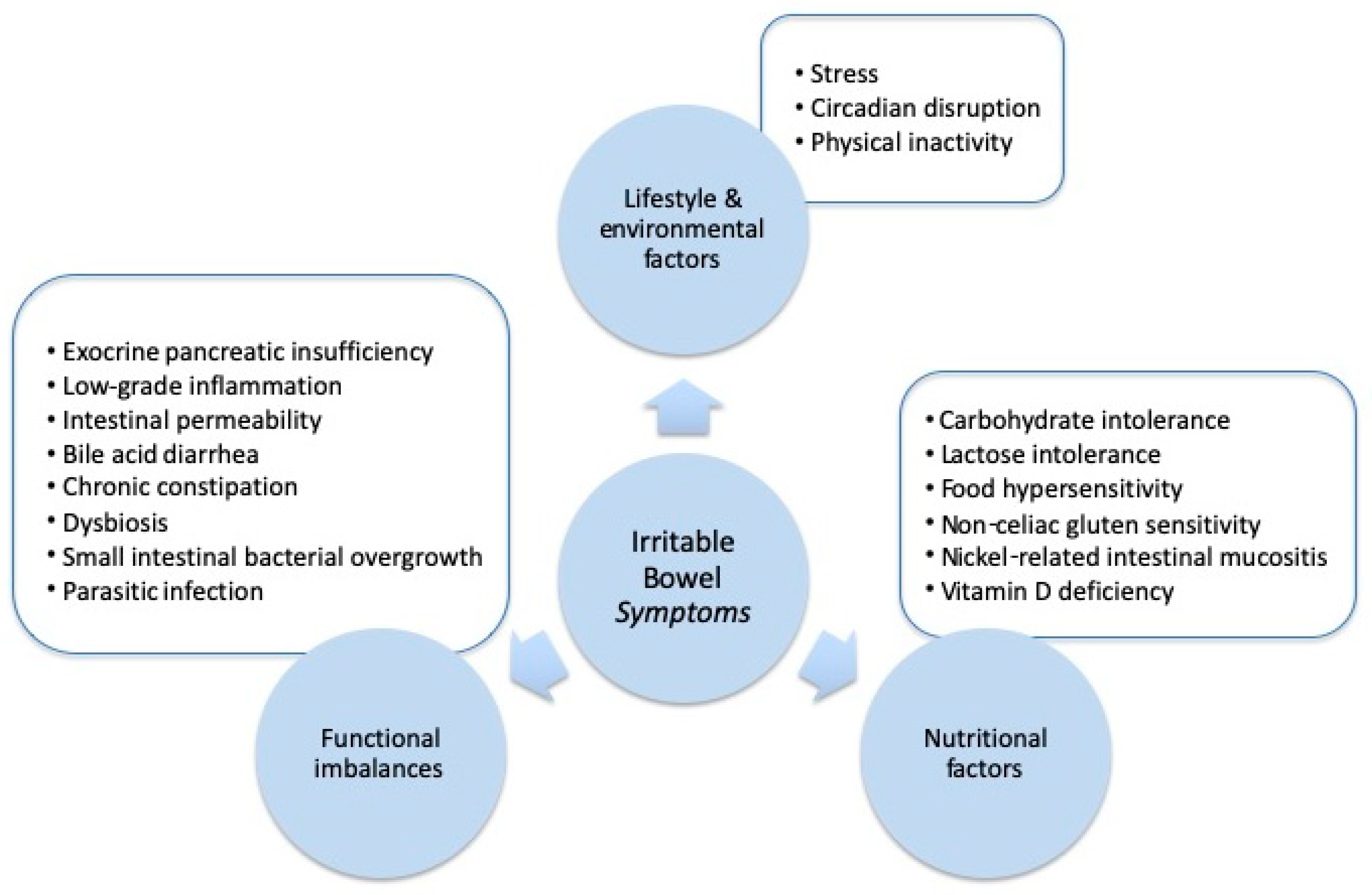
Habba syndrome is a label coined by Dr. Saad F. Habba. It stems from the idea that functional diarrhea and diarrhea-predominant irritable bowel syndrome (IBS-D) are broad descriptions that may actually encompass distinct medical problems which can — and should — be separately identified and treated.
Dr. Habba proposes that one possible origin of symptoms attributed to functional diarrhea and IBS-D is impaired gallbladder function.
When gallbladder dysfunction results in an excess of bile reaching the intestines (which then provokes diarrhea), this phenomenon has been termed Habba syndrome.
Why haven’t I heard of Habba syndrome before?
Most likely you haven’t encountered Habba syndrome because it’s not officially classified as a disease. At present, it describes Dr. Habba’s clinical observations reported in his 2011 study.
Key observations from that work include:
- About half of referrals seen by gastroenterology specialists were for diarrhea-predominant conditions (IBS-D) and functional diarrhea. These diagnoses also account for a substantial portion of primary care caseloads.
- In 98% of patients, the ultimate diagnosis differed from IBS.
- Sixty-eight percent of patients examined had bile acid abnormalities (or related issues) that were potentially treatable.
- Ninety-eight percent of patients with treatable bile-acid-related conditions experienced a positive response to therapy — a rate noticeably higher than typically expected for symptomatic improvement in IBS.
Is Habba syndrome a medical disease?
Habba syndrome has not been adopted as a formal medical diagnosis. Nonetheless, research has implicated bile acids in a subset of IBS-D cases.
Bile acid diarrhea
Bile acid diarrhea (BAD) is a disorder defined by an overabundance of bile acids in the colon.
Where Habba syndrome emphasizes gallbladder malfunction, BAD focuses on the particular bile acid abnormalities causing symptoms. Bile acids are produced by the liver and play essential roles in fat digestion and absorption in the small intestine.
What are the symptoms of Habba syndrome?
Reported symptoms linked to Habba syndrome include:
- diarrhea after meals (postprandial diarrhea)
- evidence of gallbladder dysfunction on imaging
- poor or no improvement with standard IBS therapies
- beneficial response to bile acid–binding medications
What’s the treatment for Habba syndrome?
Habba syndrome theory centers on excessive intestinal bile. Because the issue is connected to gallbladder dysfunction, treatment aims to alter bile acids to reduce their diarrheal effect.
Both Dr. Habba and researchers of BAD recommend using bile acid–binding agents such as:
- cholestyramine (Questran)
- colesevelam (WelChol)
- colestipol (Colestid)
How do I find out if I have Habba syndrome?
If you have persistent diarrhea, start by consulting your primary care physician. They may refer you to a gastroenterologist for further evaluation.
Diagnostic workup for suspected Habba syndrome might involve:
- stool testing
- blood tests
- X-ray imaging
- colonoscopy
Additional investigations could be pursued to exclude:
- malabsorption disorders
- inflammatory bowel disease (such as ulcerative colitis or Crohn’s disease)
To specifically assess for Habba syndrome, clinicians may evaluate gallbladder function using a DISIDA (HIDA) scan with cholecystokinin (CCK) stimulation.
The takeaway
Whether Habba syndrome becomes a recognized medical entity or not, it has highlighted a potential set of diagnoses underlying functional diarrhea and IBS-D.
If you have chronic diarrhea — typically defined as loose stools persisting for four weeks or longer — discuss testing for conditions like bile acid diarrhea with your doctor. Consider asking whether gallbladder function testing is appropriate for your case.





















Leave a Reply
You must be logged in to post a comment.