
Ayurveda, India’s ancient medical system, offers a wealth of natural solutions for both health and beauty concerns. Among its many adaptable herbs, haritaki stands out for its broad therapeutic uses.
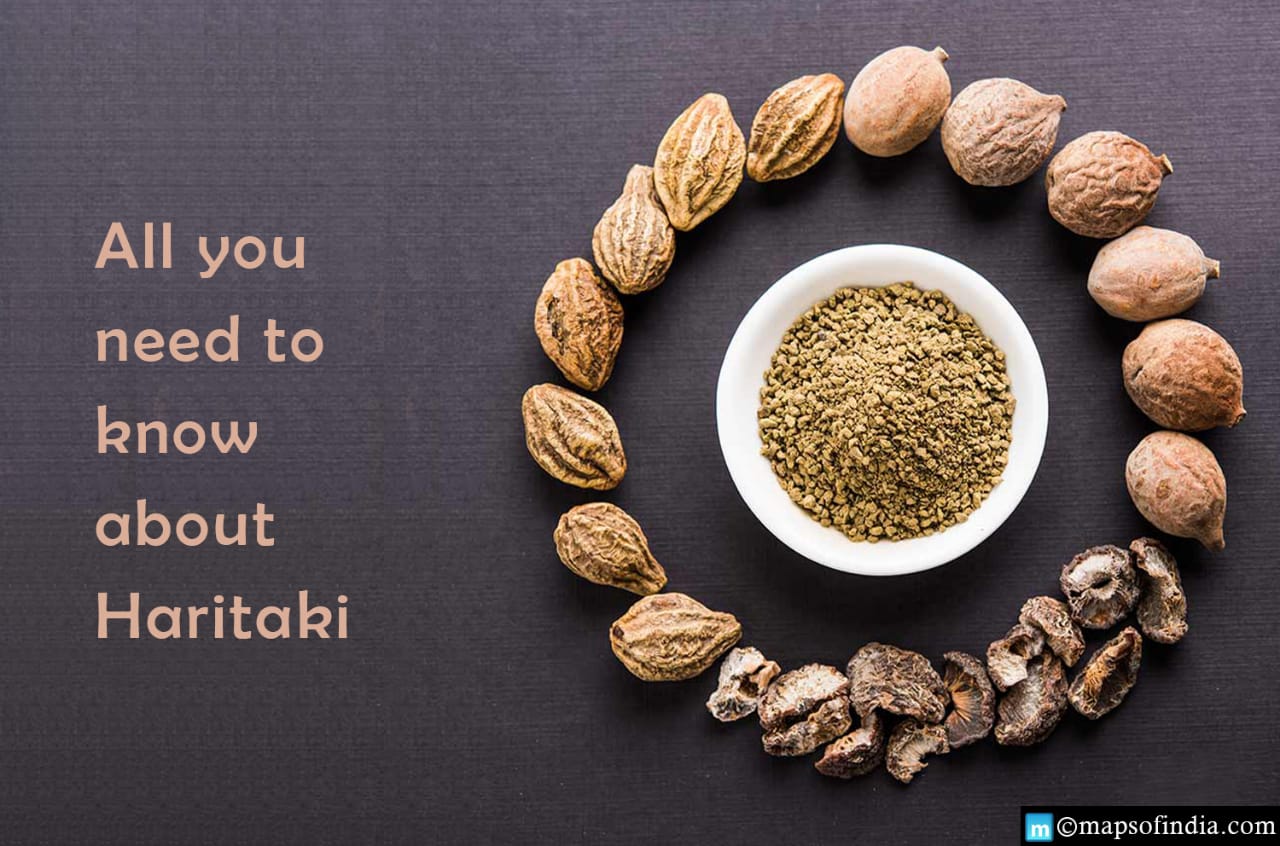
What is haritaki?
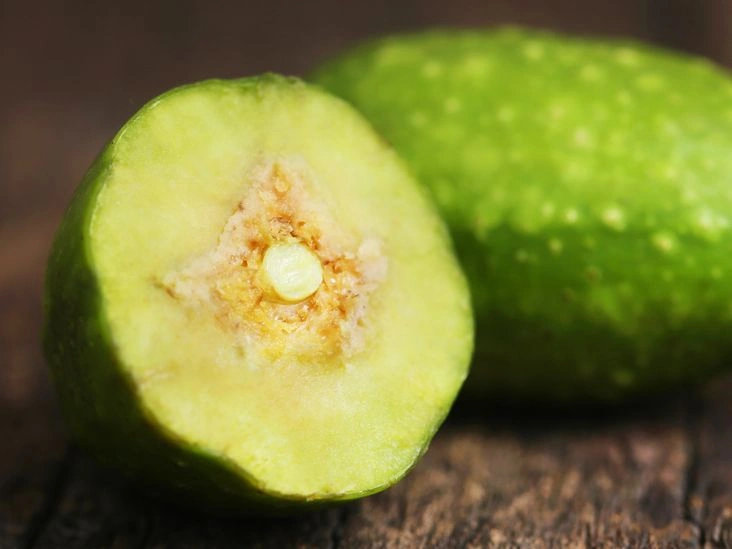
Botanically the fruit of the deciduous myrobalan (plum) tree, haritaki is a cornerstone herb in Ayurveda and Siddha medicine, two traditional Indian healing systems. The fruit is small, oblong, and under an inch long.
Harvesters often pick the fruits while still green, then dry them to a golden-brown or black hue. The dried fruit is powdered and formulated into various Ayurvedic remedies. The herb’s strength depends on the harvest location, color, and shape of the fruit.
Other names for haritaki include:
- harad
- haradey
- kaddukki (in South Asia)
- kayakalpa
In Tamil it’s called “kayakalpa,” meaning a body rejuvenator that brings doshas (humors) into balance. It’s often described as a “life-giving” herb.
Haritaki health benefits
Haritaki is prized in Ayurvedic practice for its wide-ranging therapeutic roles.
Vrinda Devani, an OB-GYN and Ayurvedic practitioner with Banyan Botanicals and Ayurprana, explains that haritaki helps balance all the elements, especially ether and air. The ether-air combination constitutes the Vata dosha, which Ayurveda attributes to about 80 percent of illnesses.
Devani points out that haritaki is also rich in:
- vitamin C
- vitamin K
- magnesium
- amino acids
- flavonoids
- antioxidants
Ayurvedic clinicians use it to address a wide array of conditions, from acute issues to chronic disorders.
Haritaki is one component of the classic Ayurvedic trio, triphala, together with bibhitaki and amla (Indian gooseberry).
“To calm the air element (Vata), take it with ghee (clarified butter),” Devani says. “To pacify heat (Pitta), take a little sugar with it. To balance water and earth (Kapha), use a pinch of rock salt.”
Always consult a qualified herbalist before adding any herb, including haritaki, to your wellness routine.
A 2018 study notes that the seven distinct types of haritaki fruits are traditionally prescribed for particular complaints.
Devani and a 2014 review list a range of ailments haritaki may support, including:
- cough
- constipation, gas, and bloating
- indigestion
- detoxification
- weight management
- skin disorders
- metabolic function
- immune support
- fertility
- libido
- cleansing
- regular bowel movements
- nourishing and rejuvenating tissues
“Haritaki helps with many conditions,” says Devani. “Its unique quality is that, while it nourishes and rejuvenates organs and tissues, it also bolsters immunity and can aid reproductive concerns like libido and fertility.”
A 2017 pharmacological study of myrobalan extracts identified several active compounds that support its use as:
- anticarcinogenic
- antifungal
- antibacterial
- antioxidant
- antidiabetic
These properties may also contribute to cardiovascular support, wound healing, and digestive health.
Earlier 2013 research supports its potential use in hemorrhoid management, though additional studies are warranted.
Haritaki beauty benefits for skin, hair, and nails
As a restorative herb with antioxidant activity, haritaki is traditionally used to enhance skin, hair, and nail health.
Skin
A 2019 paper indicates haritaki may be useful for various skin conditions as categorized in Ayurveda.
Devani suggests using it for everyday skin care.
“Apply it externally as a paste made with water or rose water,” she advises. “If it feels too drying, add a few drops of oil.”
A 2014 clinical trial found that a paste of haritaki powder with ghee and water helped relieve cracked heels.
Hair
A 2021 study reports that classical Ayurvedic recipes use haritaki powder in hair dyes, practices passed down for generations with no reported adverse effects. The study also notes haritaki can darken and soften hair.
Nails
A 2019 article observed that haritaki’s antimicrobial actions might help with nailbed infections, though stronger research is needed.
Types of haritaki
Haritaki is sold in several formats. Besides the common powdered form, you can find it as a paste, a jam-like preparation made with ghee or sugar syrup, tablets, and infused oils.
Depending on the condition being treated, haritaki may be given as a churna (powder), a legiyam (paste), an oil (thylam), or in tablet form tailored to modern consumers.
- Powder or churna. The most widely available form.
- Paste or Legiyam. Powder blended with water, ghee, or other herbs.
- Oil or thylam. Oils infused with haritaki for topical or culinary use.
- Tablet. A contemporary, pill-based option for convenient dosing.
Banyan Botanicals sells quality haritaki powder and haritaki tablets.
Spiritual benefits of haritaki
Ancient Hindu texts (the Vedas) tell of a drop of nectar from the celestial cup of Lord Indra that gave rise to the haritaki tree.
The name haritaki can be read as “that which embodies Hari,” a reference to Lord Shiva, one of the principal Hindu deities associated with creation, preservation, and destruction.
Because it is cleansing and restorative, haritaki is used to remedy dosha imbalances and is thought by many to promote spiritual equilibrium.
In Buddhist tradition, haritaki is called the “Big Golden Fruit” and symbolizes a bond with the Buddha, embodying compassion.
Valued for its regenerative qualities, haritaki appears in depictions of the Medicine Buddha, a Mahayana icon shown holding a haritaki fruit.
Safety and precautions
While generally viewed as safe, haritaki is contraindicated for some people. Avoid haritaki if you:
- are pregnant
- have recently donated blood
- are experiencing significant fatigue
- have diarrhea
- are dehydrated
- use anti-glycemic drugs like insulin or alpha-glucosidase inhibitors
Even if none of the above apply, consult a qualified herbalist before using haritaki.
Frequently asked questions
Here are answers to common questions about haritaki.
How long does it take haritaki to work?
Haritaki can help acute issues like respiratory troubles, digestive upset, or topical skin problems relatively quickly. For chronic conditions, noticeable benefits may take several weeks.
Herbal therapies are not usually instantaneous like an aspirin or an antibiotic; they act gradually with consistent, properly dosed use.
Onset varies based on dose, the problem being treated, and lifestyle factors.
Can you take haritaki daily?
Generally, small daily doses of haritaki—especially in formulas like triphala—are considered safe for many people.
However, never begin herbal treatments without guidance from a qualified herbalist and your healthcare provider.
When should you take haritaki?
Timing depends on your purpose. For rejuvenation, Devani recommends taking haritaki in the morning.
When used as triphala, many prefer taking it at night to allow the herbs to work on the digestive system during sleep. “For cleansing benefits, night is preferred,” Devani says.
Always consult a qualified herbalist and your doctor about timing and dosage.
Is haritaki good for your liver?
Although clinical evidence is limited, Ayurvedic tradition suggests haritaki may support the liver’s detoxification functions.
Consult a qualified practitioner before using haritaki specifically for liver health.
Who shouldn’t take haritaki?
Avoid haritaki if you are pregnant, recently donated blood, or are taking anti-glycemic or anti-diabetic medications. Also avoid it if you are unusually fatigued, have diarrhea, or are dehydrated.
Takeaway
Haritaki is an age-old Ayurvedic fruit with a long history and several possible modern applications. It may help digestion, detoxification, and various other health concerns.
Always consult a qualified herbalist and your healthcare provider before starting any herbal regimen.























Leave a Reply
You must be logged in to post a comment.