

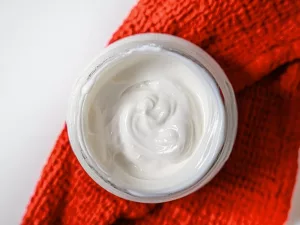
Sour cream is produced by fermenting cream from cow’s milk with lactic acid bacteria. This creamy, mildly tangy accompaniment is commonly dolloped on tacos and baked potatoes or used to add body to baked goods, sauces, and stews.
:max_bytes(150000):strip_icc()/215240-homemade-sour-cream-VAT-Beauty-4x3-227acf8ab57b49b8bf478821ca7c08c8.jpg)
Many people, however, question whether it belongs in a nutritious eating plan.
This article examines whether sour cream is a healthy choice, reviewing its nutrient profile, potential advantages, and possible drawbacks.
Sour cream nutrition facts
Sour cream contains several important nutrients, but typical serving sizes are small. As a result, it rarely contributes large amounts of any single nutrient.
A 2-tablespoon (30-gram) portion of regular sour cream supplies (1):
- Calories: 59
- Total fat: 5.8 grams; Saturated fat: 3 grams
- Carbohydrates: 1.3 grams
- Protein: 0.7 grams
- Calcium: 3% of the Daily Value (DV)
- Phosphorus: 3% of the DV
- Potassium: 1% of the DV
- Magnesium: 1% of the DV
- Vitamin A: 4% of the DV
- Vitamin B2 (riboflavin): 4% of the DV
- Vitamin B12: 3% of the DV
- Choline: 1% of the DV
As demonstrated, standard sour cream is relatively high in fat and calories.
Reduced-fat versions have a comparable nutrient makeup but with fewer calories and roughly 38% less fat (2).
Fat-free sour cream is typically made from skim milk and contains thickeners like food starches and gums to preserve a smooth texture. The absence of fat lowers calories by about 60% compared with the regular variety, though some brands may have slightly higher carbs (3).
Because sour cream is most often used as a garnish, people usually consume it in much smaller quantities than other dairy foods such as yogurt or milk.
Additionally, other dairy products are produced from whole milk components — not just cream — so they tend to supply far more protein, carbohydrates, vitamins, and minerals than standard sour cream.
Summary: In most diets, sour cream doesn’t provide substantial nutrients because it’s eaten in small amounts. Regular sour cream is comparatively high in fat and calories.
Potential health benefits of sour cream
Although sour cream shouldn’t be relied upon as a key nutrient source, it can still contribute positively to health in several ways.
May aid absorption of fat-soluble vitamins
Some vitamins require dietary fat for optimal absorption in the digestive tract.
Known as fat-soluble vitamins, this group includes vitamins A, D, E, and K. Low levels of these vitamins have been linked with conditions such as diabetes, cancer, and immune dysfunction (4).
While many fruits and vegetables contain fat-soluble vitamins, not all come with enough fat to ensure maximal absorption. Consuming them alongside a fat source can improve uptake by the body.
Regular sour cream is predominantly fat, which can help in absorbing these nutrients.
Some types include probiotics
Probiotics are live microorganisms that, when eaten, can offer health advantages like better digestion and enhanced immune responses (5).
Traditional sour cream is produced by fermenting dairy cream with lactic acid bacteria, a common probiotic in fermented foods. Consequently, certain sour cream varieties might deliver probiotic benefits (6).
However, most commercial sour cream is pasteurized to reduce the risk of foodborne illness, which kills any live cultures before the product reaches consumers.
Some manufacturers, like Nancy’s, reintroduce beneficial microbes into their sour cream post-pasteurization so consumers can still gain probiotic effects.
You can also make fermented sour cream at home to preserve live cultures.
Low in carbohydrates
While carbohydrates are not inherently bad, low-carb diets are popular with many people.
For those following such regimes, regular sour cream is compatible with several low-carb approaches, including ketogenic and Atkins-style plans.
Summary: Sour cream may improve absorption of fat-soluble vitamins, and certain kinds contain probiotics that can support gut and immune health.
Potential downsides of sour cream
It’s important to be aware of the limitations and negatives associated with sour cream.
High in saturated fat
Saturated fat makes up a large portion of the fat content in sour cream. In fact, nearly half of the calories in regular sour cream come from saturated fat.
Eating excess saturated fat can cause some individuals to raise their LDL (bad) cholesterol. Persistently high LDL may increase the likelihood of heart disease over time (7).
Research suggests that replacing saturated fats with unsaturated fats from sources like nuts, seeds, olive oil, and fish may lower cardiovascular risk (7).
The American Heart Association advises keeping saturated fat to about 5–6% of daily calories — roughly 11–13 grams for someone on a 2,000-calorie diet (8).
There is room within these recommendations to enjoy sour cream, but it’s wise to limit portions and diversify the types of fats in your diet.
Not suitable for all diets
Because sour cream is derived from cow’s milk, it isn’t appropriate for everyone.
Avoid it if you have a milk allergy or lactose intolerance.
Additionally, sour cream is not compatible with vegan or dairy-free eating patterns.
Summary: Sour cream contains considerable saturated fat and should be eaten sparingly. It’s unsuitable for dairy-free or vegan diets.
Can it affect your weight?
Consumed in sensible amounts, sour cream is unlikely to have a major impact on body weight and could even support weight loss in some contexts. However, eating it in excess may contribute to weight gain.
Weight loss
Some research links regular dairy consumption with improved weight loss outcomes.
A 2016 review of 27 studies found that consuming 2–4 servings of dairy daily as part of an energy-restricted diet was associated with greater overall weight and fat loss than diets with little or no dairy (6).
Fats — like those in sour cream — slow gastric emptying, which can increase feelings of fullness and satisfaction at meals. This may lead to reduced calorie intake overall (7).
Weight gain
Remember that eating too much of any food, including sour cream, may cause weight gain.
If frequent servings of sour cream push your daily calorie intake above what you burn, weight gain can result.
Because sour cream is calorie-dense, it can be easy to overconsume.
Summary: Moderate sour cream consumption is unlikely to cause weight gain. While dairy can be associated with weight loss, sour cream is energy-dense and should be portion-controlled.
Should you eat it?
Ultimately, the decision to include sour cream in your diet is personal. It can be part of a healthy pattern, but excessive consumption may be harmful.
Moderate amounts aren’t harmful and may even encourage eating more nutrient-rich foods like vegetables and legumes. For example, sour cream can be used as a base for a veggie dip or added as a small spoonful to black bean and vegetable nachos.
On the other hand, if you regularly eat large quantities of sour cream, you may be surpassing your calorie goal. In that situation, it might not be the best option.
Summary: Sour cream is generally fine in moderation and is best used as an occasional garnish or topping.
The bottom line
Sour cream is a creamy, tangy condiment made by fermenting cream. It contains some valuable nutrients, but because it’s usually used sparingly, a single serving doesn’t supply much.
This dairy product can help your body absorb fat-soluble vitamins and some versions contain probiotics. However, it’s also high in saturated fat and calories.
You can enjoy sour cream within a balanced diet, but do so in moderation and alongside a varied selection of whole foods for the best health outcomes.



















Leave a Reply
You must be logged in to post a comment.