

Urinary wicking tools are created to assist with managing incontinence. A newer device in this field is the PureWick system, designed for females assigned at birth (FAAB) to use while sleeping or resting.
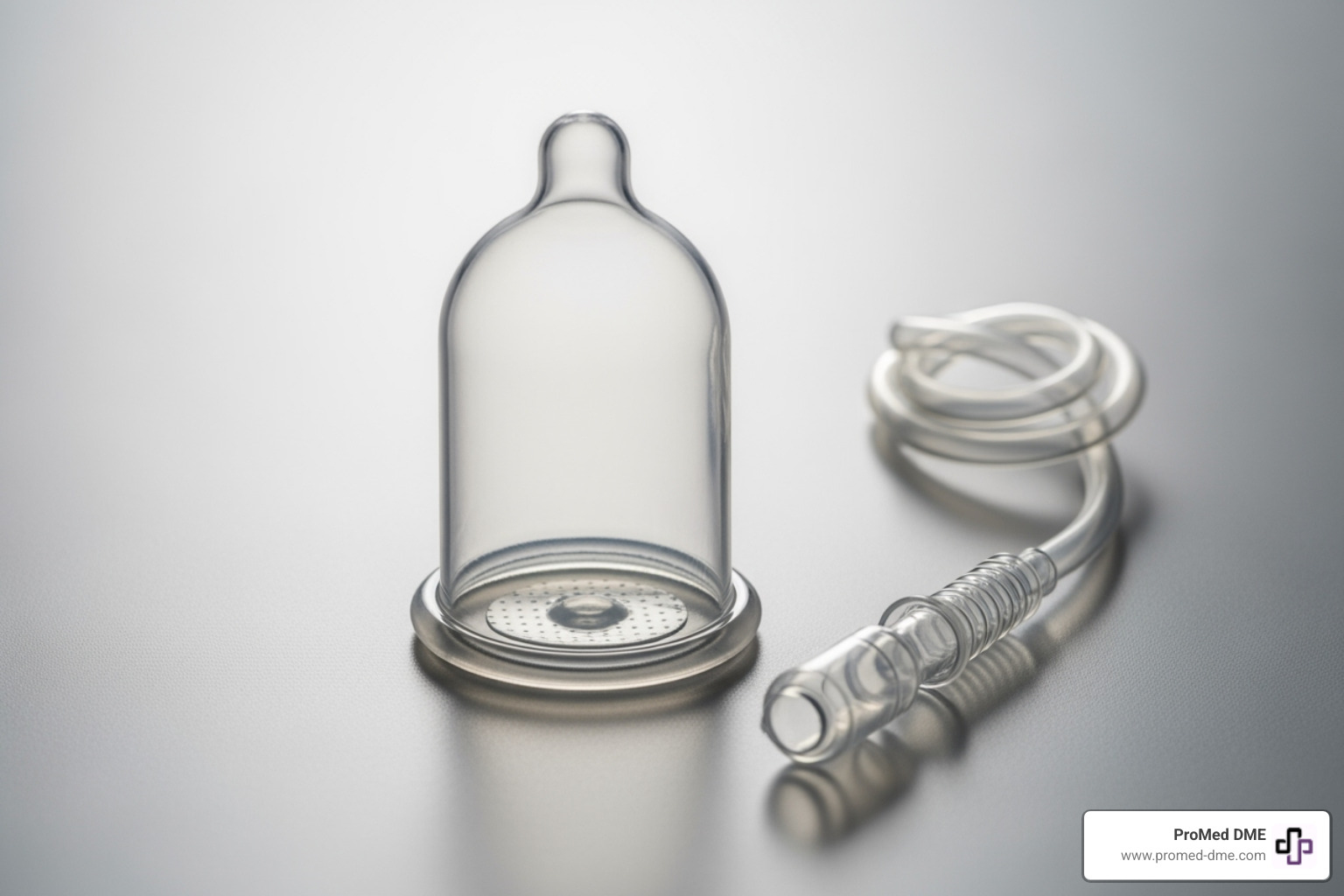
This setup employs an external catheter positioned from the vulva toward the buttocks, which connects to tubing that drains into a collection container that can sit on a nearby nightstand or table.
In a 2024 ruling, the Centers for Medicare & Medicaid Services (CMS) authorized Medicare coverage for the PureWick product under Part B’s Durable Medical Equipment (DME) benefit.
2026 Medicare updates
We are currently refreshing this article to incorporate 2026 pricing and other updates.
Learn more about upcoming alterations: Open Enrollment for Medicare: Key Changes to Know About Your Plan
When will Medicare pay for an external female catheter?
DME is a benefit provided through Medicare Part B. It covers necessary medical supplies like oxygen equipment, walkers, and hospital beds when prescribed by a Medicare-enrolled clinician for home use. As of last year, coverage also extends to the PureWick system.
Typically, under the DME benefit, Part B will cover external catheters for both males and females for individuals with permanent urinary incontinence as an alternative to indwelling catheters. This means Medicare won’t approve payment if an indwelling catheter is also in place.
Specifically for female external catheters, Medicare restricts coverage to no more than one metal cup or pouch per week.
Additionally, if you need this kind of device while admitted to a hospital, coverage might be provided under Part A instead.
How much does PureWick cost with Medicare?
The manufacturer’s site lists a box of 30 catheters at roughly $209 out of pocket without insurance, though buying in larger quantities can reduce the per-unit cost.
While many DME products are typically rented, purchasing is sometimes an option. After a series of rental payments, some items may become your property.
Under Medicare Part B, you must first satisfy the annual Part B deductible of $257 and pay the monthly premium, which was $185 in 2025. After those costs are met, Part B generally covers 80% of eligible services or supplies.
As for Part A, most beneficiaries do not pay a monthly premium, but there is a $1,676 deductible. Once that deductible is met, Part A will cover hospital stays and medical equipment provided during the admission.




















Leave a Reply
You must be logged in to post a comment.