
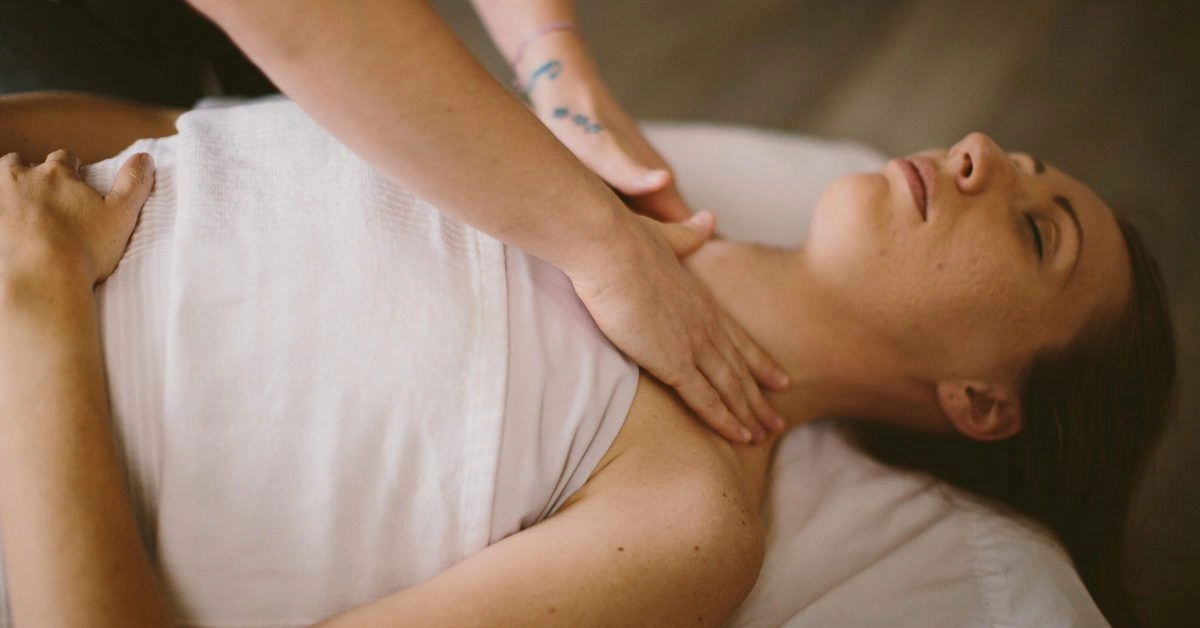
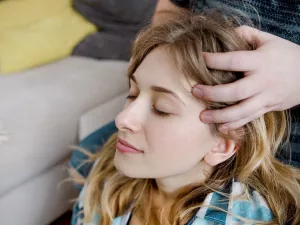
You probably book a massage to drift into a blissful state of relaxation and to ease tight muscles, aches, or injuries. Still, as part of the recovery process, you may notice some muscle soreness or stiffness afterward.
Much like the soreness you can get after exercising, a massage can activate regions of your body you haven’t engaged lately. If a particular area is causing pain, you might subconsciously avoid using it, which can build tension. A massage can reveal sites where you’re holding persistent tightness.
Certain modalities, such as deep-tissue work, are more prone to produce post-massage soreness. If you have high sensitivity, significant pain or tension, or simply prefer to avoid aftercare discomfort, choose a massage that uses light, gentle pressure.
Keep reading to learn why massage can leave you sore, ways to limit discomfort, and the main types of massage to consider.

Why this happens
Feeling sore after a massage is common. When a therapist works muscles you don’t normally use, you may develop delayed onset muscle soreness as part of the body’s inflammatory healing response.
This is particularly likely when your muscles aren’t used to being massaged. Just as your body adapts to regular workouts, muscles also need time to become accustomed to being manipulated in particular ways.
You may notice inflammation and tenderness in spots that need repair. For example, neck soreness after a massage can indicate that you habitually hold tension there. Desk work or frequent forward bending can limit neck mobility and flexibility, making that area more reactive to treatment.
If it’s been a while since your last massage or it’s your first appointment, you’re more likely to be sore afterward. With regular sessions, your body builds a kind of muscle memory, so try to get massages consistently when possible.
9 ways to reduce soreness
In most cases, any soreness following a massage will ease within a day or two. Meanwhile, there are several strategies you can use to alleviate discomfort.
1. Stay hydrated
Drink plenty of water before and after your session.
Avoid alcohol, sugary beverages, and excessive caffeine. Besides water, choose healthier fluids like coconut water, fresh fruit or vegetable juices, or herbal teas.
Recommended products:
2. Stretch gently
After your massage, perform a few mild stretches. This helps release tight muscles, boosts flexibility, and increases circulation. It’s also a good way to tune into your body, lessen stress, and calm your mind. You may also find related tips on issues like sore throat after drinking useful if you’re adjusting overall self-care habits.
3. Use heat therapy
Warming the body promotes relaxation. Take a hot shower or visit a sauna. Add baking soda or Epsom salts to a bath and soak up to 30 minutes. A heating pad or heated rice pack applied to sore spots for up to 15 minutes can also help.
Recommended products:
4. Try essential oils
Essential oils may provide pain relief. Add a few drops to a bath or shower, use a diffuser, or mix them with a carrier oil for topical use or a compress.
Recommended products:
5. Apply topical treatments
Using a muscle rub or CBD cream is another good way to give yourself a light self-massage several times a day. Spend a few minutes rubbing the product in while gently massaging the area.
Recommended products:
6. Use herbal remedies
Several herbs may help relax muscles and reduce inflammation. You can consume them as capsules, tinctures, or teas.
Some herbal choices include:
- turmeric
- clove
- black pepper
- ginger
- cinnamon
- garlic
- cayenne
Recommended products:
7. Rest
Allow yourself time to recuperate. If possible, schedule some downtime after a massage. Elevate your legs with pillows and unwind by listening to music, reading, or taking a nap.
Recommended products:
8. Guided relaxation practices
Lie down on a soft surface and follow a mindfulness track. This could be a guided meditation, a body scan, or yoga nidra. Check in with your body and notice places you can let go of tension.
Recommended products:
9. Cold therapy
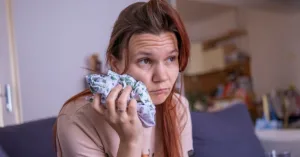
Apply an ice pack to sore spots for 15 minutes at a time several times daily. Alternatively, take an ice bath to reduce inflammation, relieve soreness, and enhance circulation. For a small targeted area, use a small container of ice.
Different massage styles
There are many massage styles that vary in pressure and intensity, making it possible to find one that matches your preferences and goals.
Swedish massage is among the most common in Western countries. Often called classic massage, this gentle approach aims to ease muscle tension and encourage relaxation. Other styles include aromatherapy, shiatsu, and hot stone work.
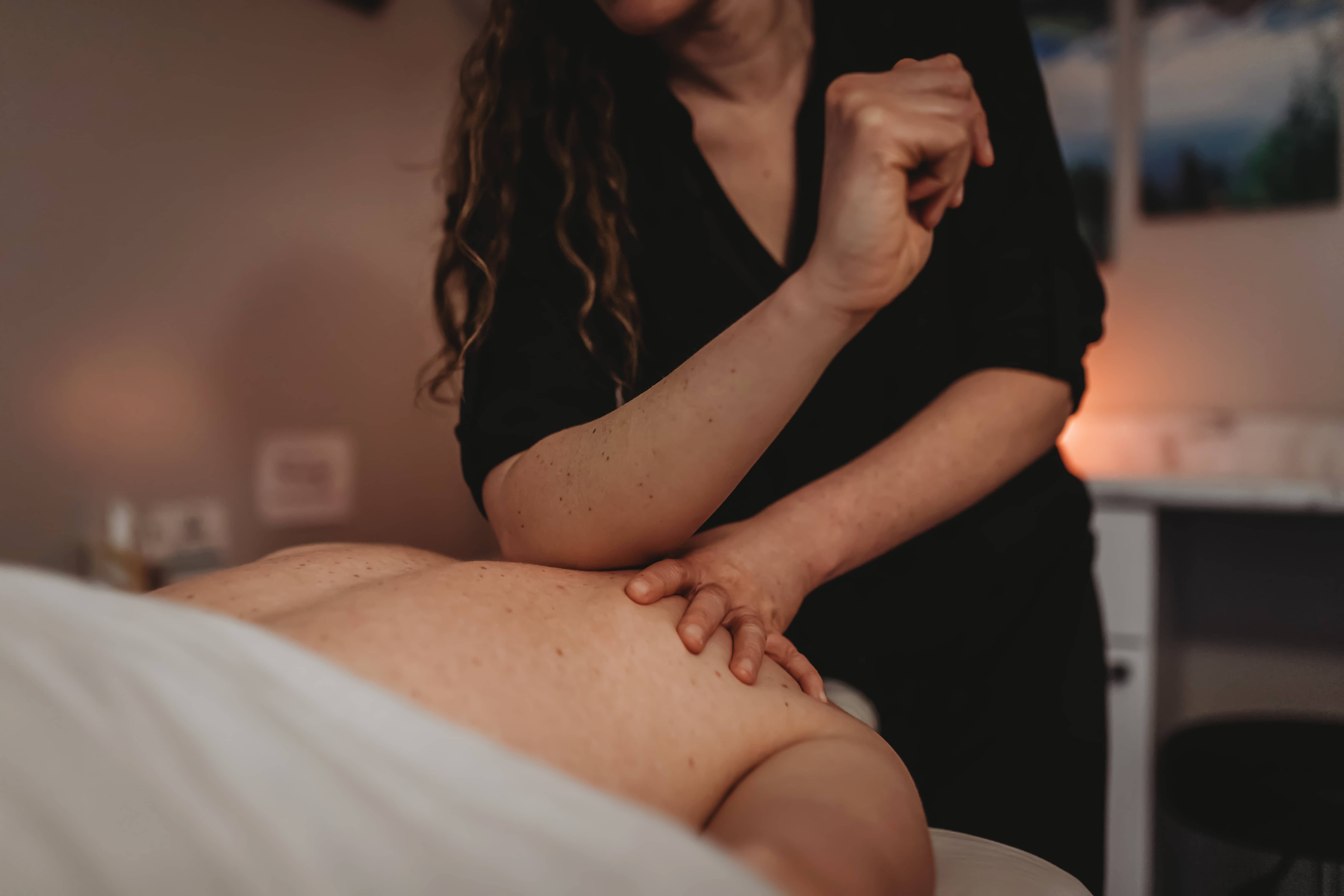
Deep-tissue massage employs firmer pressure and may lead to greater soreness. It’s frequently used for people with injuries or chronic pain. Trigger-point therapy, tuina, and sports massage are other techniques that use stronger pressure.
Speak up when needed
Open communication with your therapist is essential. Before your session, mention any worries about your body and state the pressure level you prefer.
Your therapist should check in during the treatment, but if you feel uneasy or want them to adjust pressure, let them know. A massage should never be outright painful.
Tell your therapist if there are areas you want less pressure on or places to avoid entirely. Share your goals for the session: treating deep muscle knots will feel very different from a relaxation-focused massage, so be clear about your intentions.
Also inform your therapist of any medical concerns or injuries you have.
When to consult a doctor
See a physician if you have persistent neck or back pain after a massage, especially if you don’t know why it’s happening. Severe or long-lasting pain could indicate an underlying condition or an untreated injury. Either way, a medical consultation can help determine the most appropriate care plan.
Talk with your doctor about massage if you:
- have cancer
- are pregnant
- have burns or open wounds
- have a fracture
- have a bleeding disorder
- take blood-thinning medicines
- have severe osteoporosis
- have severe thrombocytopenia
- have deep vein thrombosis
The takeaway
If you feel sore after a massage, know that this is a normal reaction. You can support recovery and lessen soreness by caring for yourself after each treatment.
Scheduling massages regularly helps maximize benefits and reduce discomfort. Try different styles, pressure levels, and therapists until you find the combination that best meets your needs and objectives.















Leave a Reply
You must be logged in to post a comment.