
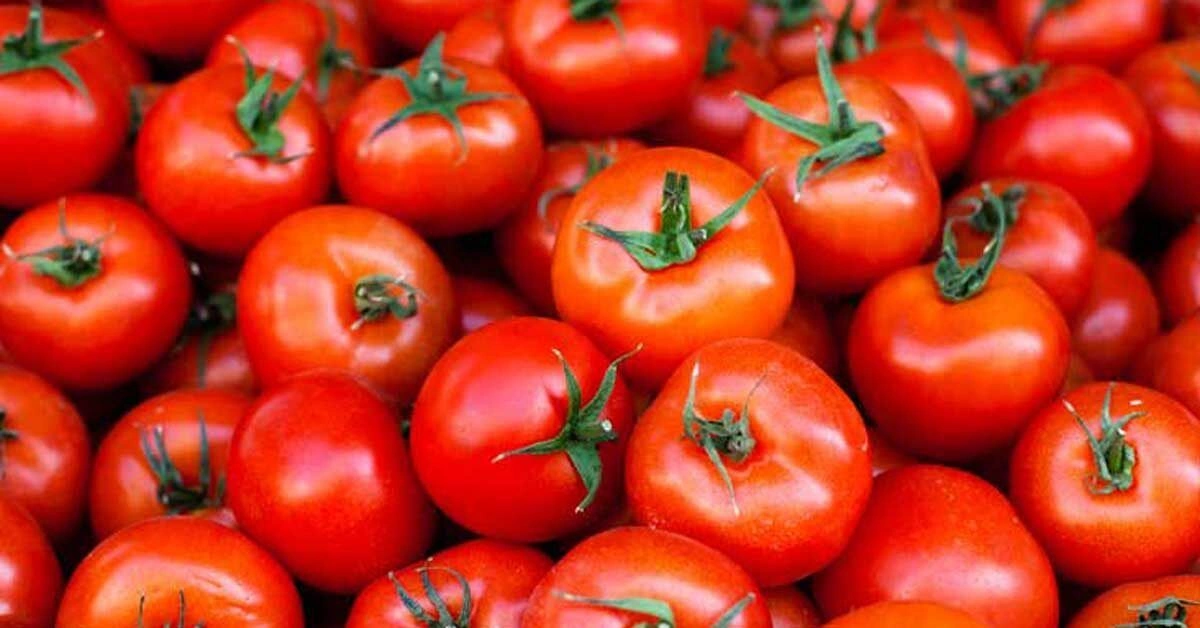
Tomatoes are the primary dietary source of the antioxidant lycopene, which has been associated with numerous health advantages, including a lower risk of cardiovascular disease and certain cancers.
The tomato (Solanum lycopersicum) is a fruit from the nightshade family that originates from South America.
Although botanically classified as a fruit, tomatoes are usually cooked and consumed like a vegetable.
They provide notable amounts of vitamin C, potassium, folate, and vitamin K.
While most ripe tomatoes are red, they are also available in a range of colors such as yellow, orange, green, and purple. Additionally, many cultivars exist with varying shapes and tastes.
This article covers everything you should know about tomatoes.

Nutrition facts
Tomatoes are about 95% water. The remaining 5% is largely composed of carbohydrates and fiber.
Below are the nutrients found in a small (100-gram) raw tomato (1):
- Calories: 18
- Water: 95%
- Protein: 0.9 grams
- Carbs: 3.9 grams
- Sugar: 2.6 grams
- Fiber: 1.2 grams
- Fat: 0.2 grams
Carbs
Carbohydrates make up around 4% of raw tomatoes, which is under 5 grams of carbs for a medium fruit (123 grams).
Simple sugars like glucose and fructose account for nearly 70% of the carbohydrate content.
Fiber
Tomatoes offer a decent amount of fiber, roughly 1.5 grams in an average tomato.
Most of the fiber (about 87%) in tomatoes is insoluble, present as hemicellulose, cellulose, and lignin (2).
Summary: Fresh tomatoes are low in carbohydrates. Their carb content is mainly simple sugars and insoluble fiber. These fruits are predominantly water.
Vitamins and minerals
Tomatoes are a valuable source of several vitamins and minerals:
- Vitamin C. An essential nutrient and antioxidant. A medium tomato can supply about 28% of the Reference Daily Intake (RDI).
- Potassium. An important mineral that supports blood pressure regulation and cardiovascular health (3).
- Vitamin K1. Also called phylloquinone, vitamin K is vital for blood clotting and maintaining bone health (4, 5).
- Folate (vitamin B9). A B vitamin necessary for normal tissue growth and cellular function, especially important during pregnancy (6, 7).
Summary: Tomatoes supply several key vitamins and minerals, including vitamin C, potassium, vitamin K, and folate.
Other plant compounds
The amounts of vitamins and phytochemicals in tomatoes can vary widely depending on variety and harvesting time (8, 9, 10).
The principal plant compounds in tomatoes include:
- Lycopene. A red pigment and potent antioxidant; lycopene has been widely researched for its health-promoting properties (11).
- Beta carotene. An antioxidant that often imparts yellow or orange tones; it can be converted to vitamin A in the body.
- Naringenin. Present in the tomato skin, this flavonoid has been shown to reduce inflammation and protect against disease in animal studies (12).
- Chlorogenic acid. A strong antioxidant that may help lower blood pressure in people with elevated readings (13, 14).
Chlorophylls and carotenoids such as lycopene give tomatoes their characteristic hues.
As ripening begins, chlorophyll (green pigment) breaks down and carotenoids (red pigments) are produced (15, 16).
Lycopene
Lycopene — the dominant carotenoid in ripe tomatoes — is particularly significant among the fruit’s phytochemicals.
It concentrates most heavily in the skin (17, 18).
Generally, the deeper the red of a tomato, the more lycopene it contains (19).
Processed tomato items — such as ketchup, tomato juice, paste, and sauces — are the richest sources of dietary lycopene in Western diets, contributing over 80% of lycopene intake in the United States (20, 21).
On a per-weight basis, processed tomato products typically contain much higher lycopene than fresh tomatoes (22, 23).
For instance, ketchup may contain 10–14 mg of lycopene per 3.5 ounces (100 grams), whereas a small fresh tomato (100 grams) holds only 1–8 mg (24).
Keep in mind, though, that ketchup is usually eaten in tiny portions. Therefore, boosting lycopene intake may be easier by consuming whole, unprocessed tomatoes — which also have much less sugar than ketchup.
Other foods consumed with tomatoes can strongly influence lycopene uptake. Eating lycopene with a fat source can increase absorption up to fourfold (25).
Absorption rates of lycopene vary among individuals (26).
Although processed tomato products are richer in lycopene, it’s still advisable to include fresh, whole tomatoes in your diet whenever feasible.
Summary: Lycopene is a major phytochemical in tomatoes and is particularly concentrated in tomato products like ketchup, juice, paste, and sauces.
Health benefits of tomatoes
Eating tomatoes and tomato-based foods has been associated with better skin health and a reduced risk of heart disease and some cancers.
Heart health
Cardiovascular disease — including heart attacks and strokes — is the leading cause of death globally.
A study in middle-aged men linked low blood levels of lycopene and beta-carotene to a higher risk of heart attacks and strokes (27, 28).
Evidence from clinical trials suggests lycopene supplementation may reduce LDL (bad) cholesterol (29).
Clinical studies of tomato-derived products indicate benefits on inflammation and oxidative stress markers (30, 31).
They also appear to protect the inner lining of blood vessels and may reduce the risk of blood clot formation (32, 33).
Cancer prevention
Cancer involves uncontrolled growth of abnormal cells that can spread beyond their original location, often invading other tissues.
Observational research has found associations between tomato intake — especially tomato products — and lower rates of prostate, lung, and stomach cancers (34, 35).
While lycopene is thought to play a key role, robust human trials are needed to confirm that lycopene is the cause of these observed benefits (36, 37, 38).
One study in women suggests that high levels of carotenoids — abundant in tomatoes — may offer protection against breast cancer (39, 40).
Skin health
Tomatoes are considered advantageous for maintaining healthy skin.
Tomato-based foods rich in lycopene and other phytochemicals may help guard against UV-induced sunburn (41, 42).
In one study, participants who consumed 1.3 ounces (40 grams) of tomato paste — delivering 16 mg of lycopene — with olive oil daily for 10 weeks experienced 40% fewer sunburns (43).
Summary: Research indicates that tomatoes and tomato-based products may lower your risk of heart disease and certain cancers. They may also benefit skin health by decreasing susceptibility to sunburn.
Commercial ripening process
When tomatoes begin to ripen, they emit a gaseous hormone called ethylene (44, 45).
Commercially produced tomatoes are often picked while still green and immature. To turn them red prior to sale, producers expose them to synthetic ethylene gas.
This practice can impede the development of natural flavor, producing bland-tasting tomatoes (46).
For this reason, locally grown tomatoes that ripen on the vine tend to have better flavor.
If you purchase unripe tomatoes, you can hasten ripening by wrapping them in newspaper and leaving them on the kitchen counter for a few days. Check them daily for ripeness.
Summary: Tomatoes are frequently harvested green and ripened artificially with ethylene gas. This can result in poorer flavor development and bland fruit.
Safety and side effects
Tomatoes are typically well tolerated, and true tomato allergy is uncommon (47, 48).
Allergy
Although uncommon, people allergic to grass pollen are more prone to react to tomatoes.
This is known as pollen-food allergy syndrome or oral allergy syndrome (49).
With oral allergy syndrome, the immune system reacts to proteins in fruits and vegetables that resemble pollen, causing symptoms like mouth itching, a scratchy throat, or swelling of the mouth or throat (50).
Individuals with latex allergy may also experience cross-reactivity to tomatoes (51, 52).
Summary: Tomatoes are usually well tolerated but can cause allergic reactions in those with grass pollen sensitivities.
The bottom line
Tomatoes are juicy and mildly sweet, rich in antioxidants, and may help protect against several diseases.
They are particularly abundant in lycopene, a compound associated with improved cardiovascular health, cancer risk reduction, and protection from sunburn.
Including tomatoes in your diet can be a nutritious and beneficial choice.






















Leave a Reply
You must be logged in to post a comment.