

Wait, Is That Normal?
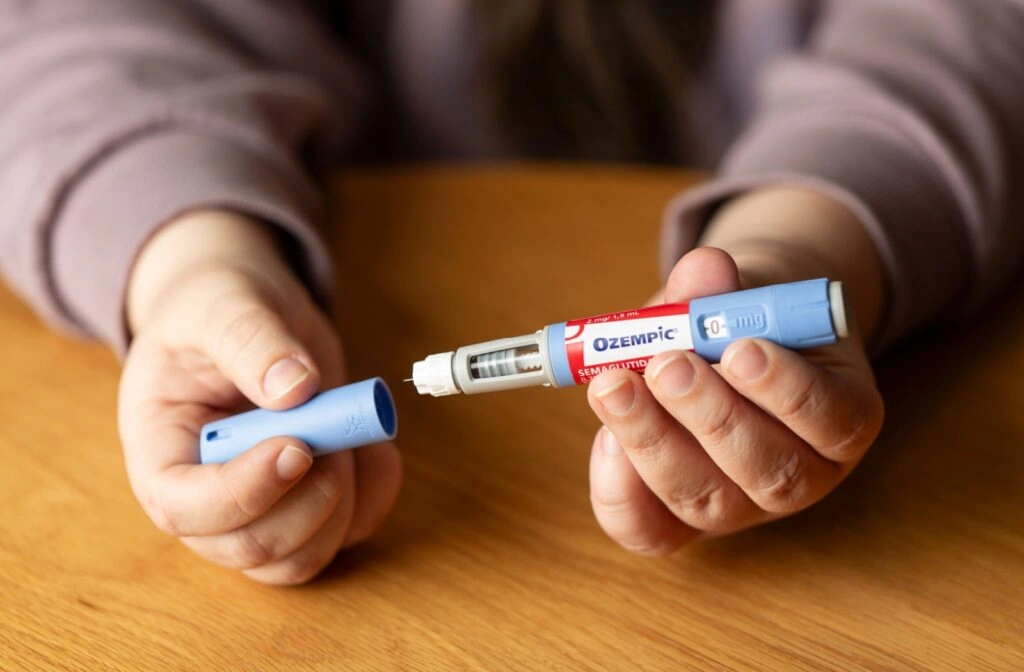
Let’s just get straight to it: nothing gets your attention quite like a random, heavy, or downright weird period—especially when you’re already trying to deal with weight loss, diabetes, or both. Maybe you started Ozempic, things were going well, and then…your period shows up out of nowhere. Or, maybe it goes completely MIA. You’re definitely not the only one googling can ozempic cause menstrual bleeding in a small panic (or, okay, a big one). Let’s talk about what’s really going on—no filter, no medical jargon, just real-life, slightly messy answers.
Because let’s face it, ignoring random changes in your body rarely ends well. It’s like that drip under the sink you keep pretending isn’t there: leave it alone too long, and one day you’ve got a puddle where you really shouldn’t. Trust me, I know. I once ignored my own weird cycle blip for months, chalked it up to “just stress,” and ended up in my doctor’s office with way too many questions (and a lot of regret).
Why Does My Body Do This?
How Ozempic Really Works (And Why Your Period Might Care)
So, first things first: when you’re taking Ozempic (or its superstar cousin, Wegovy), you’re signing up for big changes in how your body processes food, sugar, and…well, almost everything. Ozempic is what’s called a GLP-1 agonist, which is just a fancy way of saying it mimics a hormone that tells your brain you’re full, slows down your digestion, and tamps down your appetite. (Think: that feeling when you’re too stuffed for dessert, but at all your meals)
Most people use it for type 2 diabetes or weight loss. Both are big deals, and Ozempic can be a total game-changer. But here’s what you might not hear at the pharmacy: when you lose weight—especially fast—your body notices. Hard. Fat isn’t just, well, “fat.” It helps make estrogen. And estrogen is a major player for your period. Lose fat, lose estrogen, and suddenly your well-behaved cycle isn’t so predictable based on HealthCentral’s take on Ozempic’s effect on hormones.
So… Is Ozempic Itself the Issue?
Short answer: not directly. There aren’t any major clinical studies out there screaming, “Ozempic causes wild periods!” You only have to scroll through the official patient leaflet to see it’s not on the list of side effects according to expert breakdowns. Still, there are tons of people noticing cycle changes after starting it—so clearly, something’s up.
Real-Life Story Drop
Take my friend Mara (who said I could share this). She dropped 25 pounds on Ozempic. Eight weeks in, her period disappeared for two months. “It was like my uterus ghosted me,” she joked. Not funny at the time! Her doctor reassured her: the body sometimes treats rapid weight loss like a stress alert—kind of like, “Hey, too busy surviving to make babies right now!” After stabilization, her period returned, but lighter than before.
Bigger, Lighter, Gone? Let’s Decode the Drama
Why Weight Loss = Menstrual Mystery
The way your cycle reacts to weight changes is…honestly, kind of unpredictable. For some, it means periods get lighter or vanish altogether (the lovely, fancy word for this is “amenorrhea”). For others, cycles get wild—heavier, spottier, or more crampy. Why? Because your period is super sensitive to hormone swings. A bit like that friend who can sense a mood change from across the room.
| Change | What It Feels Like | Possible Reason |
|---|---|---|
| Heavier Bleeding | Larger clots, soaking pads quickly | Quick estrogen drop, uterus acting up while hormones recalibrate |
| Lighter or Missed Periods | Short/spotty or cycle MIA | Too little body fat, body halts cycle for survival |
| Spotting | Random light bleeding outside normal cycle | Hormonal roller coaster, sometimes linked to digestive side effects or changes in birth control absorption |
(Sidenote: “Ozempic vagina” is now an actual term people use. Not a medical diagnosis, but just… dry, irritated, not-fun feels down there as described by HealthCentral.)
Can Ozempic Actually Lead to Heavier Bleeding?
So, about that question—can ozempic cause menstrual bleeding that’s heavier, or changes your usual pattern? There’s lots of chatter, especially online. Actual data? Not so much. Some say their flow doubled (yikes), others report barely-there cycles. Most science says: it’s not Ozempic directly, but more the weight loss and its Hormonal Afterparty. Interestingly, people with obesity often start with heavier periods, then see their flow lighten up according to Revitalize Weight Loss’s review.
But where you fall on that spectrum? Depends on how your body handles the hormone shuffle. (Fun, right?)
The Hormone Shuffle: What’s Happening Inside?
More Than Just Estrogen
While estrogen is headline news for periods, other hormones sneak onto the stage too. Ozempic, by mimicking GLP-1, nudges your body into releasing more insulin and less glucagon—not usually a big deal for periods themselves, but it can lower overall blood sugar and energy. Your body, sensing change, might downshift period production, or sometimes up the ante with heavier bleeds if the uterine lining is suddenly thinner (or, randomly, thicker).
Stress, Exercise, and Diet—Oh My!
You know how sometimes just being stressed is enough to skip (or totally change) your cycle? Same goes for new intense fitness routines or super restrictive diets. Any major stress/energy shift and your body might prioritize “vital stuff” over reproduction as explained by the Cleveland Clinic. That’s why athletes or people who diet heavily sometimes lose their period entirely—and it’s not always a bad sign unless it lingers.
Real People, Real Cycles—Anecdotes & Oops Moments
The Confusing World of Birth Control on Ozempic
Special callout for anyone on the pill: weight loss and digestion changes can sometimes mess with absorption—as in, your birth control might be less effective, leading to more breakthrough bleeding or spotting. Not super common, but worth mentioning if you suddenly get weird cycles or an “uh-oh” pregnancy scare. If that rings familiar, talk to your provider about a backup plan or options that bypass the gut entirely.
Those “Is-this-normal?” Group Chat Moments
Raise your hand if you’ve messaged every female friend with a version of, “Um, has this happened to you?” You are not alone. From Reddit threads (I lost two hours reading those—yikes) to patient forums, people talk about everything from bright red spotting to “periods that could flood an ark.” There’s comfort in knowing your weird isn’t that weird after all.
Drop-In: Another Real Story
I heard from another reader who lost 18 kilos on Ozempic. Suddenly she was getting random, light spotting every couple weeks, which turned out to be “hormonal adjustment,” her gynecologist said. Note from both of us: if your symptoms stick around more than a few months or cause you exhaustion, check in with your doc.
How Much Is Too Much? When to Ask for Help
Track It, Don’t Ignore It
If you’re noticing changes—and I mean anything from skipped cycles to needing overnight pads during the day—write it down. Make a note on your phone or go old-school with a paper calendar. Docs love that stuff. It helps spot patterns and rule out bigger issues (like fibroids or, rarely, something scarier).
General rule: If your bleeding gets way heavier, goes on longer than a week, or makes you feel lightheaded, that’s not “just stress.” (Been there, regretted waiting.) And yes, can ozempic cause menstrual bleeding enough to drop your iron or make your energy tank? Not usually—but major new bleeding is always worth a chat with your provider.
Spotting Versus “Uh, That’s Not Period Blood”
Weird, brown spotting can just be leftover blood, and a little now and then is okay. But constant random bleeding—especially after sex, or way outside your cycle? Could point to something else, like a cervical polyp or infection. Get checked if it doesn’t pass quickly.
The Bright Side (Yes, There Is One)
PCOS & The (Sometimes) Regular Cycle Glow-Up
Here’s a fun twist: If you started Ozempic with PCOS (polycystic ovary syndrome), you might notice your cycle actually gets more regular. Research shows that even gradual, healthy weight loss can balance hormones and help you ovulate predictably again according to ForHers’ review of GLP-1 drugs. It’s not a miracle pill, but every win counts!
Fertility Boost? Maybe (But Not Guaranteed)
If you’re hoping to get pregnant, you still need to be patient—but normalizing weight and glucose helps. Just pay close attention to your cycle, and mention any changes at prenatal visits. (And again, heads up if you’re using hormonal contraception—it could be less reliable with major weight changes.)
“Ozempic Vaginal” Feels & What to Do
Who knew weight-loss meds would make you rethink lube? But changes in hydration and gut bacteria can make things drier or a bit itchier down there. Drink plenty of water. Use gentle, fragrance-free products, and ask your provider if infections keep popping up. Not glamorous, but definitely fixable.
What To Do Right Now—And Why You Deserve Answers
You Know Your Body Best
Look, if all you take away from this article is “track it, trust yourself, and get help if it doesn’t feel right,” I’ll consider that a win. Medications like Ozempic are incredible for many women, but your uterus will always have opinions. Treat heavy or erratic bleeding as a signal, not just a sidenote. You KNOW when something feels off.If you want more info or need a refresher, take a look at can ozempic cause menstrual bleeding anytime.
Takeaways (With a Side of Encouragement)
Okay, let’s put it out there: Ozempic probably isn’t targeting your period with a personal vendetta. Any cycle chaos is most likely linked to the weight you’re losing, not the meds themselves. Some people’s periods get weirder, some get easier, and for a few…just MIA. It doesn’t mean you’re broken or failing your health goals—it just means bodies are complicated, and they like to keep us guessing.
If cycle changes are stressing you, talk to your healthcare provider. Don’t wait until you need a mop for your bathroom floor or you’re counting day 60 with no period in sight. You’re already crushing it by paying attention—keep that up, reach out with questions, and don’t forget: there’s zero shame in wanting your body to feel predictable and strong again.
What has your experience been? Drop a comment, text a friend, or just mark your calendar for the next check-up. We’re all learning as we go—one cycle (and surprise) at a time.






















Leave a Reply
You must be logged in to post a comment.