
Poison ivy is a widespread plant that contains urushiol, an oily substance present in its leaves, roots, flowers, and stems. A large number of people are sensitive to urushiol and develop painful, itchy rashes after coming into contact with any portion of the plant.
This allergic response is called contact dermatitis. If you react to urushiol, you may also experience swelling, redness, or oozing blisters.
Although washing urushiol off your skin right away often prevents a rash, doing so isn’t always possible. Frequently, you might not realize you’ve brushed against poison ivy until hours later when symptoms begin to appear.
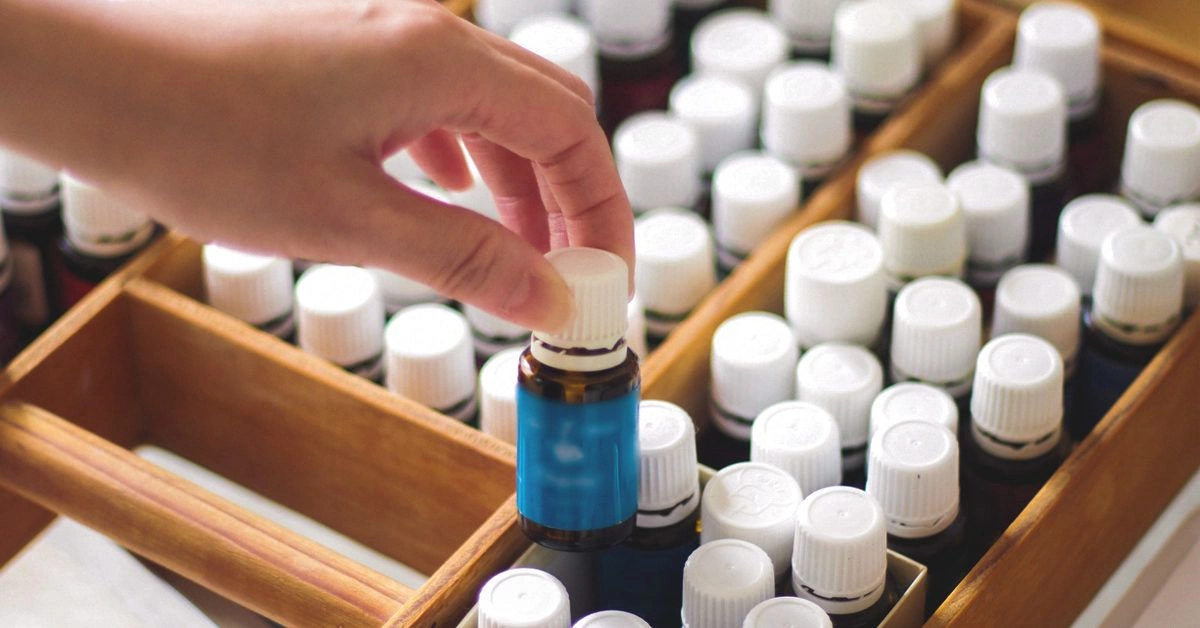
If you end up with an uncomfortable poison ivy rash, diluted essential oils may offer relief.

Best essential oils for poison ivy
Calendula (Calendula officinalis)
Calendula, sometimes called marigold, is a yellow blossom traditionally used to calm irritated skin. A 2011 review reported that calendula helped with symptoms of contact dermatitis.
Additionally, plenty of anecdotal reports suggest calendula’s soothing action can ease redness, dryness, itching, and discomfort.
Chamomile (Chamaemelum nobile, Matricaria recutita)
Chamomile functions similarly to calendula, which is unsurprising since they belong to the same botanical family. While many people drink chamomile tea to relax, chamomile essential oil can also soothe aggravated skin.
A 2012 study suggests applying a chamomile compress twice daily was more effective than using a 1 percent hydrocortisone cream once daily for painful, itchy, or inflamed skin.
Eucalyptus (Eucalyptus globulus)
Eucalyptus is a tree native to Australia. A 2013 study found eucalyptus effective at rehydrating skin and helping prevent dryness. These traits may be useful during later stages of a poison ivy rash when the skin becomes dry and itchy.
Juniper (Juniperus, all species)
Juniper is another plant long recognized for its skin-calming qualities, particularly for itchy skin. This effect may stem from thujone, which a 2015 study detected in juniper essential oil.
Thujone exhibits antimicrobial activity, which can reduce infection risk, speed healing, and lessen inflammation.
Lavender (Lavandula angustifolia)
Lavender is one of the most popular herbs because of its calming fragrance and therapeutic qualities. A 2012 study confirmed lavender essential oil’s anti-inflammatory effects at the cellular level in skin.
Furthermore, a 2015 study found lavender essential oil has analgesic effects, meaning it can relieve pain. That makes lavender a suitable option for painful, inflamed poison ivy rashes.
Myrrh (Commiphora, all species)
Myrrh, a resin derived from several tree species, has long been employed to treat pain and swelling.
A 2014 animal study found myrrh extract acted as both an analgesic and anti-inflammatory agent, which may ease the pain and swelling that often accompany poison ivy rashes in early stages.
Peppermint (Mentha piperita)
Peppermint’s cooling, minty aroma makes it another popular essential oil. Like lavender and myrrh, it’s believed to have both analgesic and anti-inflammatory properties. Additionally, a 2012 study found peppermint oil reduced symptoms of itchy skin in pregnant women.
Pine (Pinus, all species)
Pine-derived ingredients, such as pine tar, are commonly used in soaps designed to treat poison ivy rashes. While there is considerable anecdotal support for pine-containing soaps, formal studies proving pine’s effectiveness against poison ivy rashes are limited.
However, a 2012 study showed essential oils from two pine species had notable wound-healing properties, particularly when compared with other essential oils.
Tea tree (Melaleuca alternifolia)
Tea tree oil is among the most effective essential oils for skin issues. A 2013 review of tea tree oil in dermatology noted its use for treating dermatitis. It may also accelerate the healing of wounds, including rashes, and reduce itching.
Tea tree oil’s antimicrobial traits can further help prevent infection while your rash heals.
How do I use essential oils for poison ivy?
There are several ways to apply essential oils for skin issues, including poison ivy rashes.
Never put undiluted essential oils directly onto your skin, even for treatment of a rash.
Applying pure essential oils can provoke a rash similar to that caused by poison ivy.
Compress
To prepare a compress, add five drops of essential oil to one cup of warm water. Stir or shake the water and oil together. Soak a clean washcloth in the mixture and place it on your rash. Repeat until the water is used up. You may do this several times a day if it helps.
Lotion or salve
You can also create a soothing topical remedy by blending essential oils with a favorite lotion, salve, or carrier oil. Use five drops of essential oil per ounce of product. Apply the blend to your rash as often as necessary.
Important safety information
Although essential oils come from plants, they’re potent substances and should be handled carefully.
Before using any diluted essential oil on your skin, perform a small patch test. Apply a little of the diluted oil to an unaffected area to ensure your skin doesn’t react.
If essential oils make your rash worse, discontinue use immediately, even if a patch test was fine. The inflamed skin may be more reactive than other areas.
Most importantly, do not ingest essential oils under any circumstances. Some essential oils are poisonous if swallowed.
While studies indicate potential benefits, the FDA doesn’t regulate the purity or quality of essential oils. Talk with your doctor before starting essential oils and be cautious when selecting a reputable brand.
Try to choose essential oils that:
- include the plant’s Latin name
- state the country of origin
- contain 100 percent essential oil
- are produced via steam distillation or mechanical cold pressing
You might also consult staff at your local health food store; they can often recommend reliable brands.
For additional at-home approaches to ease irritation from exposure, consider checking resources on poison ivy remedies.
When to see a doctor
Although most poison ivy rashes can be managed at home, some require medical attention.
Contact your physician if:
- your rash appears to be spreading
- you develop painful blisters
- you experience swelling of the face or throat
If you notice any of these signs, you may need further treatment to prevent complications such as an allergic reaction or infection.




















Leave a Reply
You must be logged in to post a comment.