
Key takeaways
- Certain essential oils, including lavender and bergamot, are thought to help reduce blood pressure because of their calming, stress-relieving effects.
- Essential oils may be applied in various forms — such as in lotions, diffusers, or massage blends — and are often combined to amplify potential benefits.
- While generally considered safe when used properly, scientific support for essential oils as a treatment for hypertension is limited. Speak with a physician before using them as a complementary approach.
High blood pressure, or hypertension, affects many adults in the United States. If left unmanaged, it raises the risk of heart attack and stroke.

Some proponents claim that essential oils can help reduce persistently elevated blood pressure. A 2012 clinical trial examining aromatherapy for hypertension lends some support to this idea. That study evaluated a mixture containing lavender, ylang ylang, marjoram, and neroli essential oils.
Essential oils may be used on their own or blended with other oils. However, scientific evidence on their effectiveness for high blood pressure remains limited. If you have hypertension, discuss with your healthcare provider before trying essential oils as a natural adjunct to treatment.
Essential oils commonly suggested to lower blood pressure
Below are 18 essential oils frequently recommended by those who favor their use for helping manage high blood pressure.
Bergamot
Bergamot essential oil may contribute to lowering heart rate and blood pressure.
Cedarwood
Cedarwood oil is often used to encourage relaxation and can temporarily slow heart rate.
Citronella
Citronella essential oil may help reduce stress, which in turn can help lower blood pressure.
Clary sage
Clary sage oil is believed to ease anxiety and thereby assist in lowering blood pressure.
Frankincense
Frankincense essential oil may help decrease stress and support heart regulation.
Jasmine
Jasmine oil might soothe an overactive nervous system.
Helichrysum
Helichrysum essential oil is thought to have hypotensive effects and act as a natural relaxant to help reduce blood pressure.
Lavender
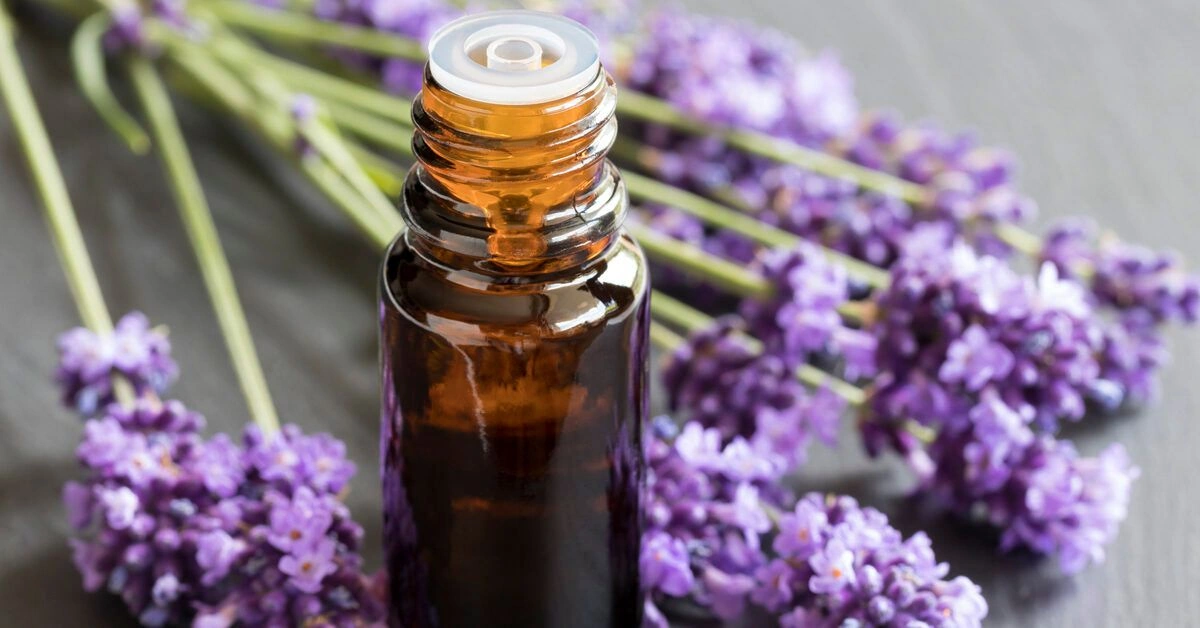
Lavender oil is known for its calming qualities and may reduce both anxiety and heart rate.
Lemon
Lemon essential oil is believed to alleviate stress and low mood, which could support natural blood pressure reduction.
Lemon balm
Lemon balm oil may help lower blood pressure and offer protection against palpitations, tachycardia, and cardiac events.
Lime
Lime essential oil is reported to have stress-relieving properties.
Neroli
Neroli essential oil may possess antihypertensive qualities.
Rose
Rose oil’s soothing and anti-inflammatory properties can help relax the body, improve circulation, and potentially reduce elevated blood pressure.
Sage
Sage essential oil is sometimes credited with boosting metabolism and supporting weight loss, which can positively influence blood pressure.
Sweet marjoram
Sweet marjoram oil may help widen blood vessels, contributing to lower blood pressure.
Valerian
Valerian essential oil may have strong calming effects on the nervous system, which can:
- lower blood pressure
- reduce heart palpitations
- ease insomnia
- calm overactivity
- diminish nervous tension
Yarrow
Yarrow essential oil is considered among the oils that may improve circulation.
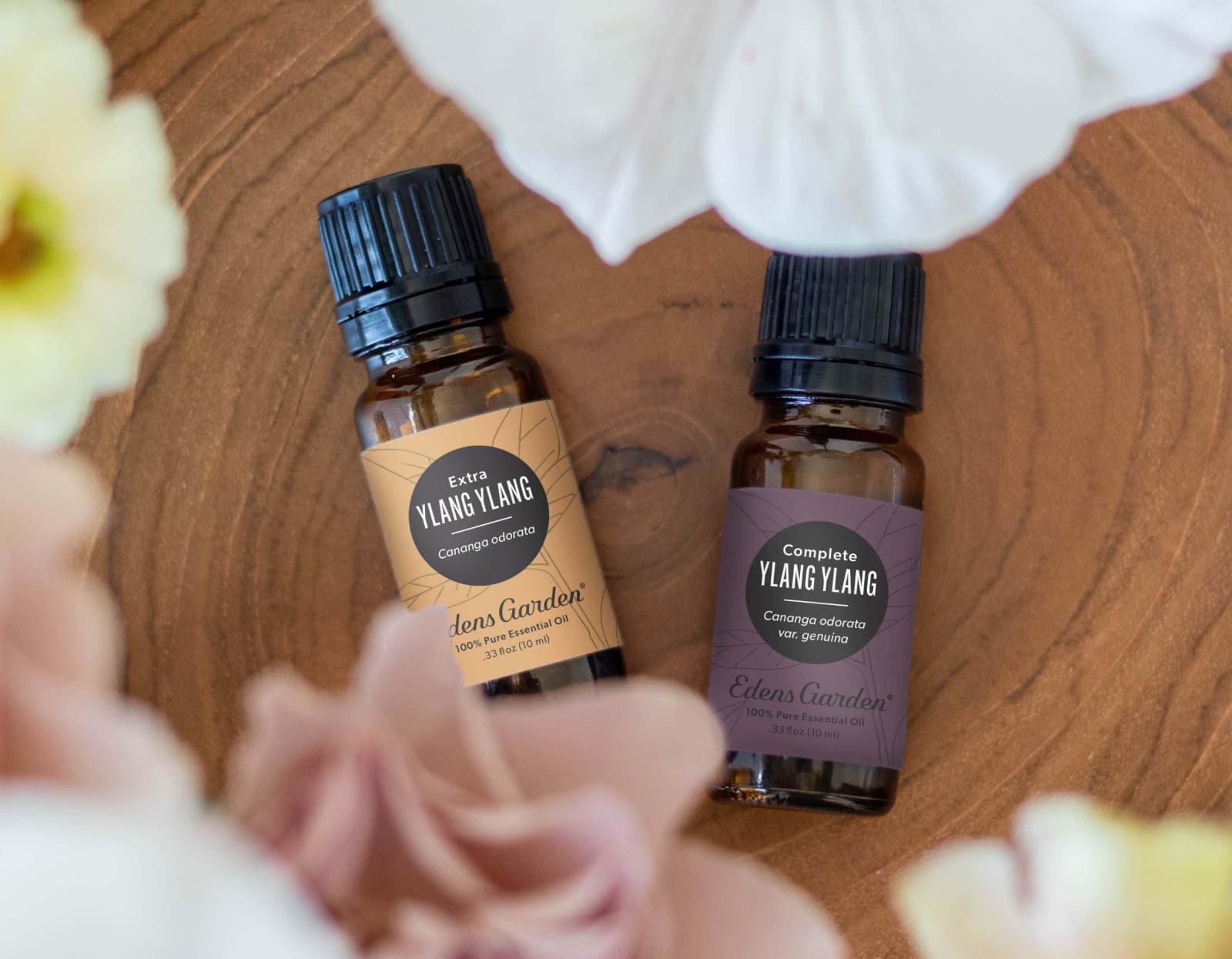
Ylang ylang
Ylang ylang essential oil may lower cortisol — the “stress hormone” — and thereby help reduce blood pressure.
Optum Now is operated by RVO Health. By clicking on this link, we may receive a commission. Learn more.
How to use essential oils for high blood pressure
Essential oils can be used singly or mixed together. Advocates often recommend blending to combine the effects of different plants. Below are some blends commonly suggested for addressing high blood pressure.
Lotion recipe
Ingredients:
- 5 drops lavender essential oil
- 5 drops clary sage essential oil
- 5 drops frankincense essential oil
- 2 oz. coconut oil
Instructions:
- Thoroughly combine all ingredients.
- Massage a small amount into your temples and just beneath your nose.
Diffuser recipe
Ingredients:
- 3 drops bergamot essential oil
- 3 drops lavender essential oil
- 3 drops ylang ylang essential oil
Instructions:
- Mix the oils together.
- Add the blend to an aromatherapy diffuser.
- Inhale gently for 15–30 minutes.
Massage oil recipe
Ingredients:
- 10 drops lavender essential oil
- 7 drops ylang ylang essential oil
- 5 drops sweet marjoram essential oil
- 1 drop neroli essential oil
- 2 oz. almond oil
Instructions:
- Blend the sweet marjoram, ylang ylang, and lavender essential oils together.
- Mix 7 drops of this essential oil combination with the almond oil.
- Use as a massage oil or add to a warm bath.
For additional options on managing symptoms that often accompany stress and congestion, you may find these helpful: essential oils for sinus congestion and essential oils for stress.
Are essential oils safe?
Per the National Cancer Institute, safety testing has shown few risks or side effects when essential oils are used as directed. Many have been designated GRAS (generally recognized as safe) by the U.S. Food and Drug Administration (FDA).
Essential oils should not be swallowed. They are intended to be diluted in a carrier oil for topical use (massage) or inhaled (aromatherapy).
Before beginning any new treatment or therapy — including the use of essential oils — it’s wise to consult your doctor.
The takeaway
While some evidence suggests essential oils may offer health benefits, there is insufficient definitive clinical proof that they cure high blood pressure. Talk with your healthcare provider to determine whether complementary treatments like aromatherapy or massage could safely support your existing blood pressure management plan.




















Leave a Reply
You must be logged in to post a comment.